

False Inspection Marks Trigger Multi-State Chicken Recall

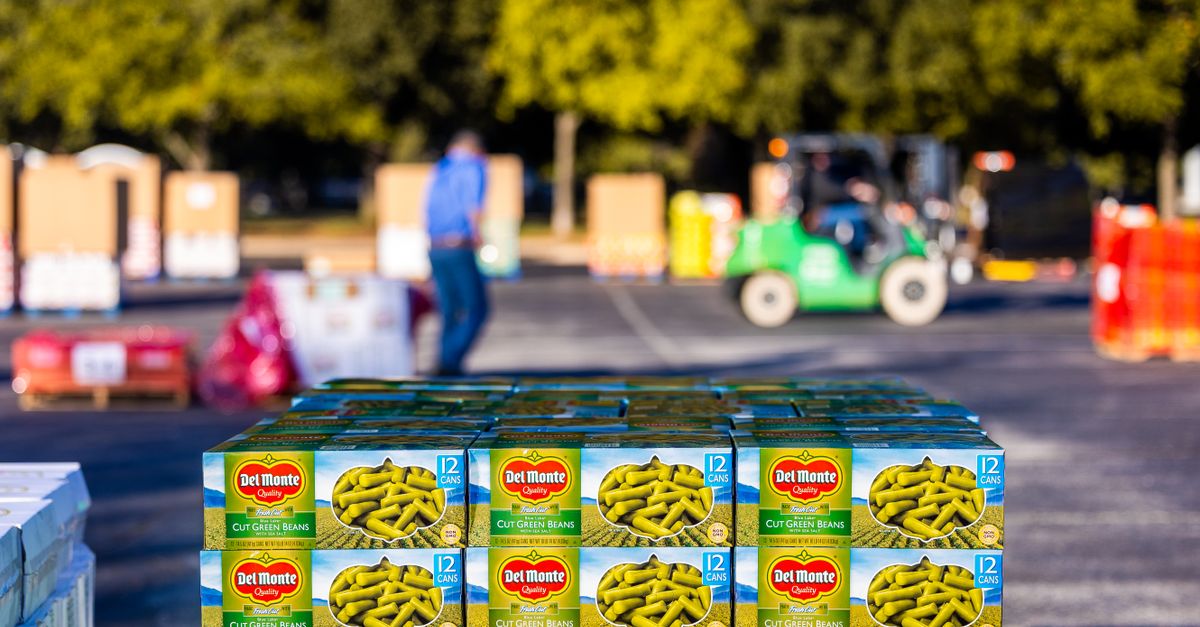
Photo by Caleb Oquendo on Pexels
A bogus inspection tag sent shoppers scrambling
The USDA’s Food Safety and Inspection Service pulled chicken products from grocery shelves in five states after discovering false marks of inspection. The recall, announced in August 2026, affects raw chicken sold under several brand names and distributed by a regional processor.
The agency’s notice lists the affected lots as bearing inspection stickers that never passed a federal audit. Retailers in the five states were instructed to remove the products immediately and to post visible warnings. The recall covers roughly 12,000 pounds of chicken, according to the FSIS bulletin, and the agency is working with the processor to trace the source of the counterfeit stickers.
Why a fake stamp matters more than a bad batch
Consumers assume an inspection mark guarantees that a product met federal safety standards. When that guarantee is falsified, the risk is not just a potential pathogen; it is a breach of trust that can’t be fixed with a simple cooking tip.
The false marks raise the specter of intentional fraud rather than an accidental contamination. If a processor can slip a counterfeit sticker onto a product, it suggests a willingness to cut corners elsewhere. That perception fuels the broader anxiety captured in recent surveys.
Food recalls are climbing back toward pre‑pandemic levels
The FDA reported 1,908 food and cosmetic product recalls in the fiscal year ending September 2025, the highest count since 2019’s 2,046 recalls. The uptick follows a pandemic‑induced dip when production lines slowed and inspections were deferred.
“While 57% express at least a fair amount of confidence in the government to keep food safe,” a Gallup poll found, “28% of Americans do not have much confidence and 14% have ‘none at all.’” Food‑safety advocate Darin Detwiler says the recent spate of recalls has made the average American more anxious about what lands on their plates.
The regulatory patchwork complicates rapid response
The United States splits oversight between the USDA, which handles meat, poultry and eggs, and the FDA, which covers everything else. Each agency runs its own inspection schedule, reporting system, and enforcement levers.
When a recall like the chicken case emerges, the USDA must coordinate with state health departments, the FDA, and sometimes the CDC. The CDC’s Pulse Net and whole‑genome sequencing tools have sharpened outbreak detection, but they do little to prevent fraud before it reaches the shelf.
Industry’s reaction: damage control and a call for tighter audits
The processor at the center of the chicken recall issued a brief statement saying it is cooperating with the FSIS and has halted distribution of the affected lots. It pledged to replace the counterfeit stickers with authentic ones after a full internal audit.
Meanwhile, other meat producers are tightening their own verification steps. Some are adopting blockchain‑based traceability platforms to record each inspection event on an immutable ledger. Those systems can flag a mismatched tag before the product leaves the plant, but adoption remains limited.
What to watch
Watch the USDA’s upcoming proposal on mandatory digital inspection records, slated for a public comment period in early 2027. If adopted, the rule could make it harder to forge inspection marks and give retailers a real‑time way to verify a product’s compliance status. Until then, shoppers should keep an eye on recall notices from the FSIS and the FDA, especially for meat and poultry items that lack clear, verifiable labeling.
Related Articles

Tesla's China recall avalanche exposes systemic safety gaps
Tesla faces three massive recalls in China, covering over 4 million cars, as regulators clamp down on safety flaws from door handles to suspension and cruise control.
Tesla Recall Triggers Safety Alarm as Wheels May Detach
Tesla's 11th Cybertruck recall warns of wheel separation, while Musk juggles legal battles in France, a dismissed Dogecoin suit, AI copyright claims, and bot‑fuelled market hype.

Googlebook challenges Apple’s retail play as Mac Studio prices
Google’s $899 AI‑native laptop and Apple’s store‑first philosophy clash amid rising component costs and AI‑driven hardware bets.