

Billionaire Tax Fight

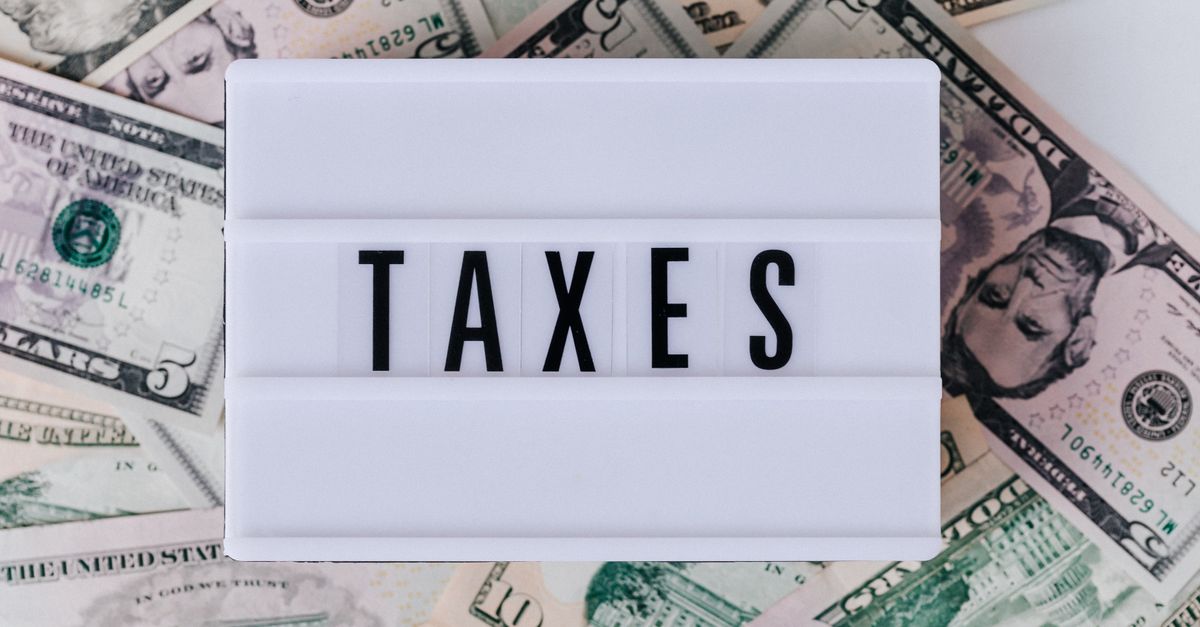
Photo by https://kaboompics.com/ on Pexels
Introduction to the Billionaire Tax
Sergey Brin, co-founder of Google, has spent $100 million to fight California’s proposed billionaire tax, Prop 40.1234 This tax would impose a one-time 5% tax on the net worth of the state’s billionaires.5678
The Proposed Tax
Prop 40 would impose a one-time 5% tax on the net worth of the state’s billionaires.5678 Sergey Brin’s spending is one of the largest contributions to the anti-tax campaign.1234 The tax is designed to address the state’s economic inequality and generate revenue for public services.678
The Campaign Against the Tax
Brin’s $100 million contribution is part of the campaign against the tax.1234 The campaign has been using various tactics to try to sway public opinion, including advertising and lobbying efforts. The campaign argues that the tax would drive away wealthy individuals and businesses from the state, ultimately harming the economy.57
Outcome
The outcome of the proposal will have significant implications for the state’s economy and its residents. California’s Prop 40 is a one-time 5% tax on the net worth of the state’s billionaires.5678 If passed, it could set a precedent for other states to follow suit, potentially leading to a significant shift in the way wealth is taxed in the United States.7
Industry Context
The billionaire tax proposal is part of a larger trend of increasing scrutiny of wealth inequality in the United States. Other states and countries have implemented or proposed similar taxes, sparking a debate about the role of taxation in addressing economic inequality. The tech industry, in particular, has been at the center of this debate, with many of its leaders and companies accumulating vast fortunes in recent years. The tech industry’s response to the proposal has been mixed, with some companies and executives speaking out against the tax, while others have remained silent or expressed support for the idea.
History of Wealth Taxes
The concept of a wealth tax is not new, and several countries have implemented similar taxes in the past. For example, France had a wealth tax from 1982 to 2018, which imposed a tax on individuals with net worth above a certain threshold. The tax was repealed in 2018, but it has been reinstated in some form in recent years. The United States has also considered wealth taxes in the past, with some proposals calling for a tax on net worth above a certain threshold. The idea of a wealth tax has been debated by economists and policymakers for decades, with some arguing that it is a necessary tool for reducing economic inequality, while others claim that it would be ineffective or even counterproductive.
Technical Mechanics
The proposed tax would be imposed on the net worth of billionaires, which would be calculated based on their assets and liabilities.57 The tax would be a one-time tax, meaning that it would only be imposed once, rather than annually.5678 The revenue generated from the tax would be used to fund public services and address economic inequality in the state.678 The tax would also have implications for the state’s budget, as it would provide a new source of revenue that could be used to support various public programs and initiatives.
Downstream Implications
The implications of the tax proposal extend beyond the state of California. If passed, it could set a precedent for other states to follow suit, potentially leading to a significant shift in the way wealth is taxed in the United States. This could have far-reaching consequences for the economy, including the potential for increased revenue for public services and a reduction in economic inequality. The proposal could also have implications for the tech industry, as it could lead to increased scrutiny of the industry’s tax practices and potentially even lead to calls for greater regulation of the industry.
Footnotes
Related Articles

Googlebook challenges Apple’s retail play as Mac Studio prices
Google’s $899 AI‑native laptop and Apple’s store‑first philosophy clash amid rising component costs and AI‑driven hardware bets.
Xiaomi MiMo 2.6, Grok 4.7, and a Wave of Mid‑Month Tech Setbacks
A roundup of Xiaomi's MiMo 2.6 launch, x.ai's Grok 4.7 update, NASA's Mars Sample Return cancellation, and other mid‑September tech headlines.

Apple's rapid RC rollout pressures macOS developers
Apple released second release candidates for macOS Tahoe and Sequoia, while beta streams for Golden Gate and iOS 27.2 accelerate, sparking developer strain and highlighting ecosystem frictions.