

Astronauts' Vision

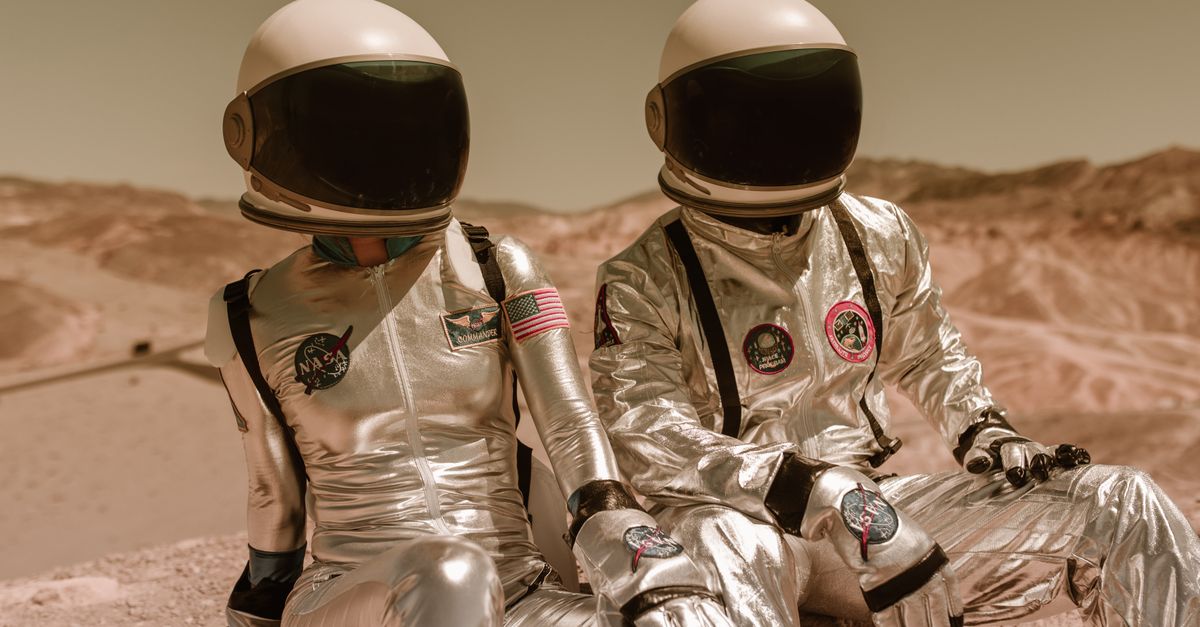
Photo by RDNE Stock project on Pexels
Introduction to Space Vision Problems
A device for self-administered eye exams, originally designed for octogenarians, is being considered for use in monitoring astronauts’ ocular health. The device’s potential to provide regular monitoring of astronauts’ eye health could be crucial in space missions where the effects of microgravity can cause vision problems.
The Device and Its Potential
The device is a simple, portable tool that allows individuals to conduct their own eye exams. Its potential for use in space missions lies in its ability to provide regular monitoring of astronauts’ eye health, which can be affected by the microgravity environment. For instance, the lack of gravity can cause fluids to shift towards the upper body, leading to increased pressure on the eyes. This can result in vision problems, including blurred vision, double vision, and even permanent damage to the eyes.
The Challenge of Space Travel
Space travel poses several risks to astronauts, including the effects of microgravity on the body. Prolonged exposure to microgravity can cause a range of health problems, including muscle and bone loss, cardiovascular problems, and vision impairment. A device for monitoring eye health could be useful in space missions to detect any potential problems early on and provide astronauts with the necessary treatment.
Industry Context and Future Directions
The consideration of using a device for self-administered eye exams in space missions reflects the trend of leveraging technology to improve health outcomes in space. The device could be part of future space missions to monitor astronauts’ ocular health, and its use could have significant implications for the development of space travel. For example, the ability to monitor eye health in real-time could enable space agencies to develop more effective countermeasures to mitigate the effects of microgravity on the eyes.
History of Vision Problems in Space
The problem of vision impairment in space is not new. Astronauts have been experiencing vision problems since the early days of space travel. In fact, a study by NASA found that nearly 50% of astronauts who spent time on the International Space Station experienced some form of vision problem. The use of a device for self-administered eye exams could help to reduce the incidence of vision problems in space and provide astronauts with a safer and healthier environment.
Technical Mechanics
The device uses a combination of advanced technologies, including artificial intelligence and machine learning, to provide accurate and reliable eye exams. The device is also portable and easy to use, making it an ideal solution for use in space missions where resources are limited. The technical mechanics of the device are designed to provide a comprehensive eye exam, including tests for visual acuity, color vision, and eye movement.
Downstream Implications
The use of a device for self-administered eye exams in space missions could have significant downstream implications. For example, the ability to monitor eye health in real-time could enable space agencies to develop more effective countermeasures to mitigate the effects of microgravity on the eyes. Additionally, the use of the device could provide valuable insights into the effects of microgravity on the human body, which could have significant implications for the development of space travel.
Broader Industry Context
The space industry is rapidly evolving, with several private companies, such as SpaceX and Blue Origin, working towards establishing a human presence in space. The use of a device for self-administered eye exams could be an important step in this direction, as it would enable space agencies to monitor the health of astronauts in real-time and develop more effective countermeasures to mitigate the effects of microgravity.
Regulatory Framework
The use of a device for self-administered eye exams in space missions would also require a regulatory framework to ensure its safe and effective use. This could involve developing guidelines for the use of the device, as well as establishing protocols for the interpretation of the data it provides. The regulatory framework would need to take into account the unique challenges of space travel, including the effects of microgravity on the human body.
Updates
- 2026-09-02 — This is the best setting and placement for your Dolby Atmos soundbar (source)
Related Articles

Googlebook challenges Apple’s retail play as Mac Studio prices
Google’s $899 AI‑native laptop and Apple’s store‑first philosophy clash amid rising component costs and AI‑driven hardware bets.
Xiaomi MiMo 2.6, Grok 4.7, and a Wave of Mid‑Month Tech Setbacks
A roundup of Xiaomi's MiMo 2.6 launch, x.ai's Grok 4.7 update, NASA's Mars Sample Return cancellation, and other mid‑September tech headlines.
Apple's rapid RC rollout pressures macOS developers
Apple released second release candidates for macOS Tahoe and Sequoia, while beta streams for Golden Gate and iOS 27.2 accelerate, sparking developer strain and highlighting ecosystem frictions.