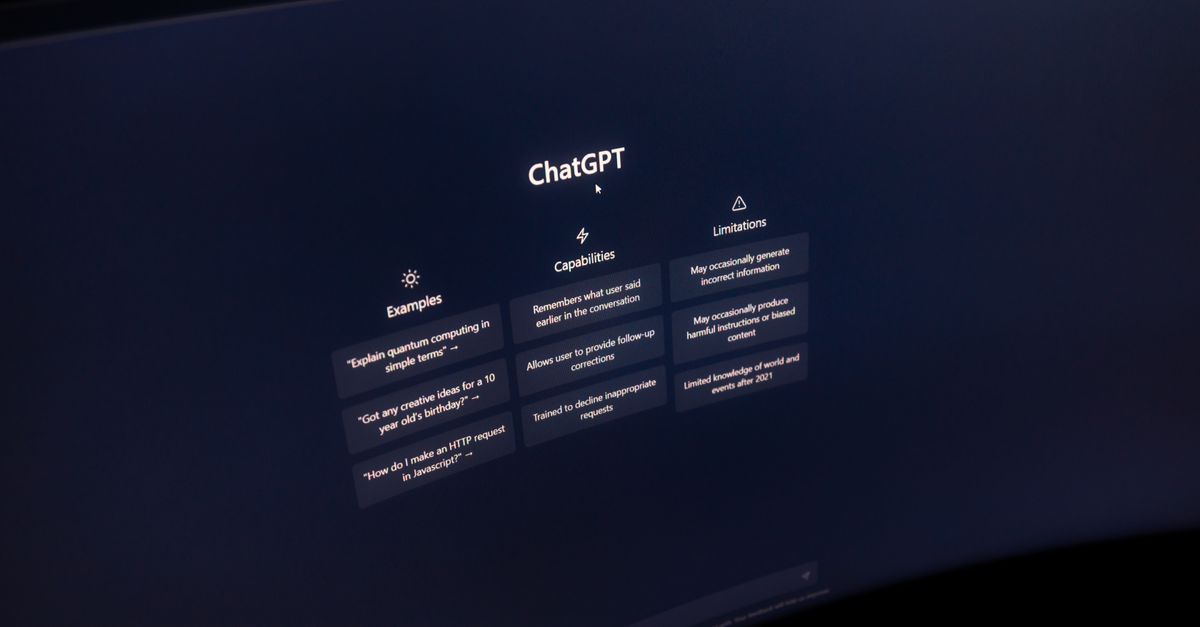
Hank Green Warns of AI Dopamine Risks


Photo by Matheus Natan on Pexels
Hank Green Apologizes for AI Usage
Hank Green apologized, saying his AI usage is ‘not healthy for me or good for the world.’ He described a feedback loop where each prompt generates a burst of novelty, then a crash, similar to social media scroll. This phenomenon is not unique to Green; many users of Large Language Models (LLMs) face similar issues. The constant stream of new information can activate the brain’s reward system, releasing dopamine and encouraging continued engagement.
The implications of this feedback loop are significant. As LLMs become more prevalent, it is essential to consider the potential consequences of their use on mental health. Green’s apology serves as a warning, highlighting the need for responsible AI development and usage. Developers must prioritize user well-being and implement features that promote healthy engagement.
TogetherLetters Streamlines Group Newsletters
TogetherLetters is a tool that lets small groups compile updates into a single email newsletter. Users name a group, pick a cadence, and invite participants by email. Each member receives a prompt, writes a short note, and the platform stitches the pieces together. This streamlined process eliminates the need for group chats or social media, allowing users to focus on meaningful updates from people they care about.
The simplicity of TogetherLetters is a significant advantage. By removing the need for passwords, apps, or logins, the platform reduces barriers to entry and makes it easier for groups to stay connected. The free plan for groups up to 10 members also makes it an attractive option for small groups or communities. As the platform grows, it will be essential to monitor its adoption metrics and gather community feedback to ensure it continues to meet the needs of its users.
Jibril Offers eBPF Security
Jibril is a runtime security platform built on eBPF for Linux and Kubernetes environments. It uses a query-driven model that pulls data only when a rule asks for it, eliminating queue overflow and keeping CPU usage flat. This approach provides system-wide monitoring with low overhead, making it an attractive option for organizations looking to improve their security posture.
The use of eBPF technology is a key differentiator for Jibril. By leveraging this technology, the platform can provide real-time monitoring and enforcement without the traditional performance bottlenecks. The query-driven model also reduces the risk of event queue overflow, ensuring that critical security events are not missed. As the platform continues to evolve, it will be essential to monitor its performance and gather feedback from users to ensure it continues to meet their security needs.
Industry Context
The growth of LLMs, group communication tools, and runtime security platforms is part of a larger trend towards increased focus on user experience and security. As these technologies continue to evolve, it is essential to consider their potential impact on users and the broader industry. The development of responsible AI, streamlined communication tools, and robust security platforms will be critical in shaping the future of the tech industry.
History of Similar Technologies
The development of LLMs, group communication tools, and runtime security platforms is not new. However, the current crop of technologies has significant advantages over their predecessors. LLMs have improved dramatically in recent years, allowing for more accurate and informative responses. Group communication tools have also evolved, with a focus on simplicity and ease of use. Runtime security platforms have become more sophisticated, with a focus on real-time monitoring and enforcement.
Technical Mechanics
The technical mechanics behind Jibril’s eBPF security platform are significant. By using a query-driven model, the platform can eliminate queue overflow and reduce CPU usage. This approach provides real-time monitoring and enforcement, allowing organizations to respond quickly to security threats. The use of eBPF technology also provides a high degree of flexibility, allowing the platform to be deployed in a variety of environments.
Downstream Implications
The downstream implications of these technologies are significant. As LLMs continue to evolve, it is essential to consider their potential impact on user well-being. The development of responsible AI will be critical in shaping the future of the tech industry. The growth of group communication tools like TogetherLetters will also have a significant impact, allowing users to focus on meaningful updates from people they care about. The adoption of runtime security platforms like Jibril will also be critical, providing organizations with the tools they need to protect themselves from security threats.
Watch for policy changes from LLM providers, track TogetherLetters’ adoption metrics, and monitor community feedback on Jibril’s eBPF model. These signals will indicate whether the industry can balance engagement, simplicity, and security without sacrificing user well-being.
Future Outlook
As the tech industry continues to evolve, it is essential to consider the potential implications of these technologies on users and the broader industry. The development of responsible AI, streamlined communication tools, and robust security platforms will be critical in shaping the future of the tech industry. By prioritizing user well-being and implementing features that promote healthy engagement, developers can create technologies that benefit users and the industry as a whole.
Updates
- 2026-09-16 — Negativland, Culture Jamming, and the Art of Making Something New (source)
Related Articles