

Smartphone Ownership Shifts

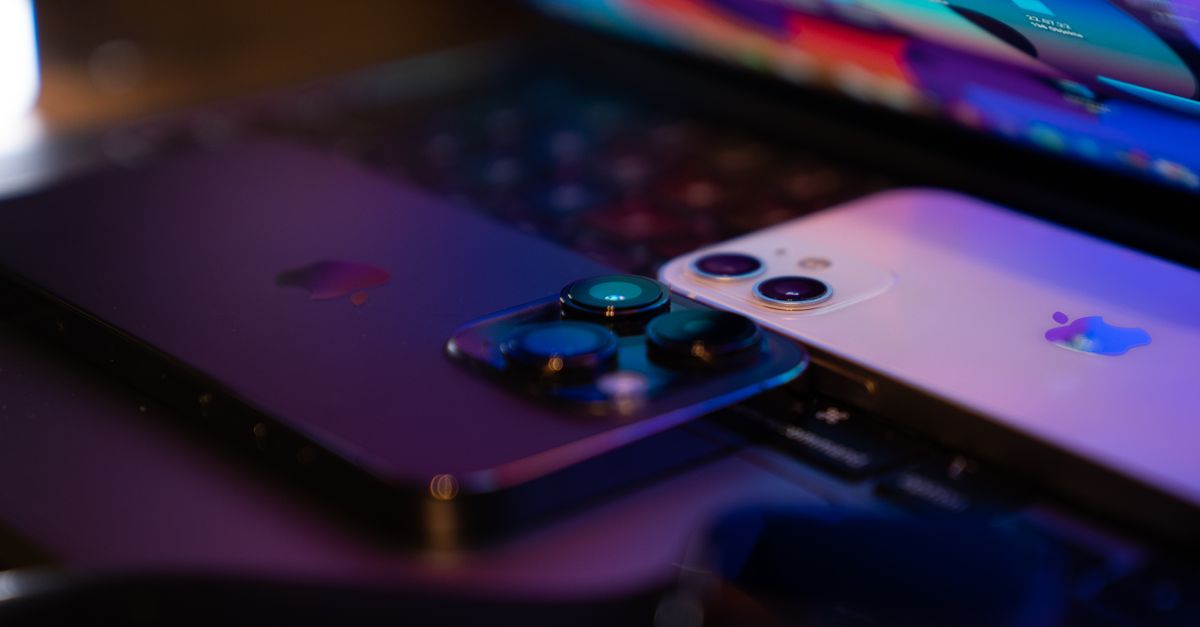
Photo by Rickie-Tom Schünemann on Pexels
Apple’s Upgrade program signals a shift in smartphone ownership. The program lets customers pay a monthly fee for a new iPhone each year and a trade-in credit for the returned device. This move changes how carriers, manufacturers, and developers think about revenue streams. For instance, carriers will need to reassess their data plan offerings and pricing structures to remain competitive in a subscription-based market. Manufacturers must consider the environmental impact of frequent device upgrades and the potential for increased electronic waste.
India’s Paid-App Market
India’s app market generated a record $345 million in paid-app revenue in the second quarter. This figure indicates that users are willing to pay for digital experiences rather than download for free. Indian users are also seeing more bundled offers from telecom operators that combine data plans with app subscriptions. The success of paid apps in India can be attributed to the growing middle class and increasing access to digital payment methods. As a result, developers are creating more premium content, which in turn, drives the demand for paid apps.
iPhone’s 20th-Anniversary Design
The next iPhone will celebrate the device’s 20th anniversary. Rumors point to a radical new design, not a conventional upgrade. The device may not be labeled iPhone 20 Pro, but simply iPhone 20. This change could increase manufacturing costs and drive the monthly fee higher. If Apple decides to introduce a new design, it may also lead to changes in the production process, affecting the supply chain and potentially causing delays. The new design could also impact the overall user experience, with features such as improved cameras, faster processors, and enhanced battery life.
Samsung’s Galaxy Z Plans
Samsung is loading its future lineup with more hardware variety. A leak indicates a fifth Galaxy Z device will join the lineup in 2027. This suggests Samsung expects enough consumer appetite to sustain multiple foldable variants simultaneously. If the market embraces Apple’s subscription approach, Samsung may need to adjust pricing and upgrade cycles to stay competitive. The introduction of more foldable devices could also lead to increased competition in the market, driving innovation and potentially lowering prices for consumers.
Broader Industry Context
The shift towards subscription-based smartphone ownership is not unique to Apple. Other manufacturers, such as Samsung and Google, are also exploring similar models. The success of these programs will depend on the ability of manufacturers to provide a seamless user experience, with regular software updates, security patches, and access to the latest devices. The industry is also seeing a trend towards more sustainable and environmentally friendly practices, with companies focusing on reducing electronic waste and increasing device recycling.
History of Smartphone Ownership
The concept of smartphone ownership has evolved significantly over the years. Initially, devices were purchased outright, with users retaining ownership for several years. With the introduction of contract-based plans, users could upgrade their devices more frequently, but were locked into a contract with a specific carrier. The shift towards subscription-based models is the next step in this evolution, providing users with more flexibility and access to the latest devices. However, this model also raises concerns about the environmental impact of frequent device upgrades and the potential for increased electronic waste.
Technical Mechanics
The technical mechanics behind Apple’s Upgrade program are complex, involving a combination of hardware and software components. The program relies on a trade-in process, where users return their old devices in exchange for a credit towards a new device. This process requires a robust system for tracking and evaluating device condition, as well as a secure method for transferring user data to the new device. The program also requires regular software updates and security patches to ensure that devices remain secure and functional.
Downstream Implications
The shift towards subscription-based smartphone ownership will have significant downstream implications for the industry. Carriers will need to reassess their data plan offerings and pricing structures to remain competitive. Manufacturers will need to consider the environmental impact of frequent device upgrades and the potential for increased electronic waste. Developers will need to create more premium content to drive the demand for paid apps. Consumers will have access to the latest devices, with regular software updates and security patches, but will also need to consider the potential environmental impact of their purchasing decisions.
Industry Response
As the smartphone industry continues to evolve, companies will need to adapt to the changing landscape. Manufacturers will need to balance the demand for new devices with the need to reduce electronic waste. Carriers will need to develop pricing structures that are competitive and sustainable. Developers will need to create content that meets the changing needs of consumers. The industry will also need to consider the social and environmental implications of the shift towards subscription-based smartphone ownership.
Future Outlook
The future of smartphone ownership is uncertain, but one thing is clear: the industry is changing. As consumers become more aware of the environmental impact of their purchasing decisions, companies will need to respond with sustainable and environmentally friendly practices. The shift towards subscription-based models will continue to drive innovation and competition in the market, but it will also require companies to consider the long-term implications of their actions. The next few years will be crucial in determining the future of the smartphone industry, and companies will need to be prepared to adapt to the changing landscape.
Related Articles

Googlebook challenges Apple’s retail play as Mac Studio prices
Google’s $899 AI‑native laptop and Apple’s store‑first philosophy clash amid rising component costs and AI‑driven hardware bets.

Xiaomi MiMo 2.6, Grok 4.7, and a Wave of Mid‑Month Tech Setbacks
A roundup of Xiaomi's MiMo 2.6 launch, x.ai's Grok 4.7 update, NASA's Mars Sample Return cancellation, and other mid‑September tech headlines.

Apple's rapid RC rollout pressures macOS developers
Apple released second release candidates for macOS Tahoe and Sequoia, while beta streams for Golden Gate and iOS 27.2 accelerate, sparking developer strain and highlighting ecosystem frictions.