

SJY Zeph headphones flip the script on open‑back sound

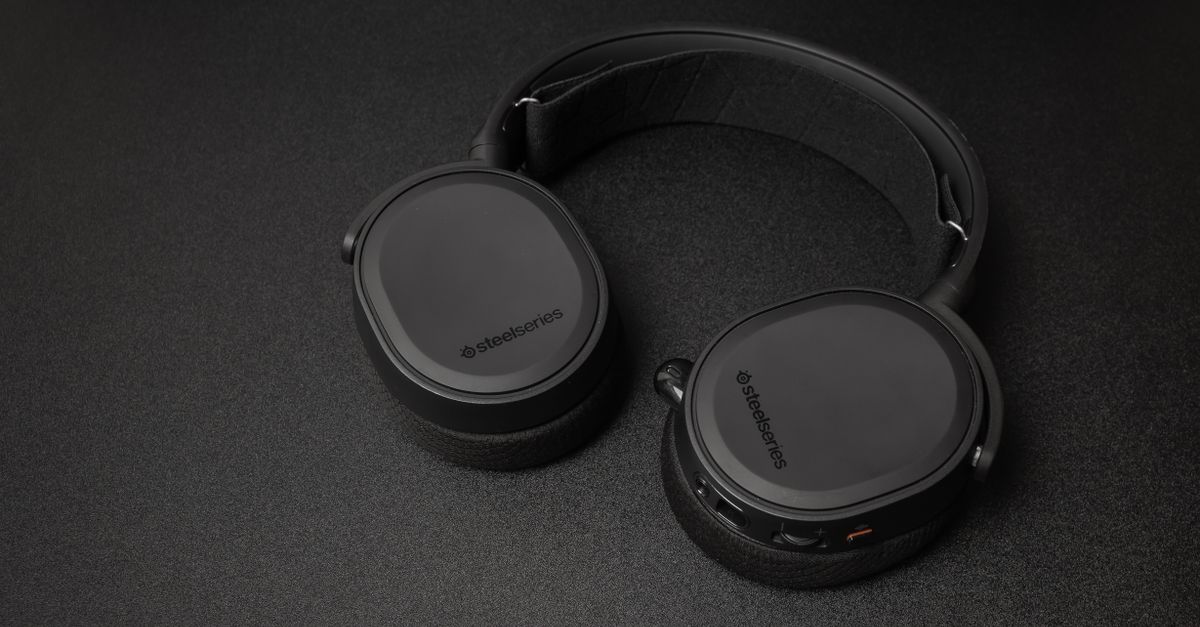
SJY’s Zeph headphones deliver two distinct sound signatures in a single wired, open‑back package. The flip‑to‑change earcups let you swing between a relaxed, laid‑back vibe and a more detailed, airy presentation, making the listening experience feel like two headphones in one.
The Zeph arrive with a sturdy cable, no battery, and a classic open‑back architecture, according to WIRED. Their most obvious gimmick is the mechanically flippable earcups, a feature the reviewer called “brilliant” for offering two takes on the same music without any firmware tricks or digital presets.
The Zeph’s double‑take on sound
When the left cup faces inward, the drivers project a more intimate, warm signature that feels like listening in a small room. Flip the cups outward and the same drivers open up, spilling more treble and a wider soundstage. The transition is literal rather than digital, so there’s no latency or software to manage. In daily use the switch feels like swapping a pair of headphones you keep on a shelf – you know exactly which side you’re on, and you can change it mid‑track if you want a different mood.
The open‑back design also means the Zeph leak sound both ways. In a quiet apartment the bleed is noticeable, but in a studio or a shared office it can be a non‑issue. The lack of active electronics keeps the signal path pure, something audiophiles appreciate, but it also means you need a decent source – a phone with a good DAC or a desktop amp – to get the most out of the two modes.
How the Zeph stacks against the $200 crowd
Bowers & Wilkins’ P3 headphones sit at a $200 price point and use a 30 mm driver with a listed sensitivity of 111 dB/V at 1 kHz. Their retro‑style plastic and fabric housing is solid, but the design offers no active noise cancellation and a relatively neutral tonal balance. Beats by Dre’s Solo HD, also around $200, trades durability for a tighter ear seal that cuts ambient noise better than the P3, but it leans heavily on bass. The Beats’ drivers are unlisted, and the unit includes an iPhone‑compatible microphone that many users find limiting.
In direct listening tests, the Beats produce a bass‑heavy sound that can drown out mids, while the P3 delivers a cleaner overall picture but lacks the low‑end punch. The Zeph, by contrast, let you choose which side of that spectrum you prefer on the fly. Flip the cups for a relaxed, bass‑light experience akin to the P3’s neutrality, or swing them outward for a brighter, more detailed presentation that rivals the Beats’ treble lift without the overwhelming low‑end.
Because the Zeph are wired and open‑back, they don’t fold into a pocket like the Beats or the P3. Their flippable cups add a small amount of bulk, but they avoid the plastic hinges that often break on cheap folding mechanisms. For commuters who value sound fidelity over pure portability, the Zeph’s trade‑off feels intentional rather than a compromise.
Portability and real‑world use
The HN mega‑review of portable closed headphones lays out a clear portability checklist: size, foldability, tactile remote controls, replaceable cables, and a look that doesn’t scream “audio nerd.” Most studio‑monitor staples like the Audio‑Technica ATH‑M50 or the Beyerdynamic MDR‑7506 score high on sound but fail the portability test – they’re large, have coiled cables, and lack smartphone remotes.
The Zeph skip the remote entirely, relying on a single 3.5 mm jack. That decision keeps the cable simple and the signal path clean, but it also means you can’t control playback from the earcup. For users who stream from a phone while on the move, the lack of in‑line controls is a drawback compared to the Beats’ iPhone‑compatible clicker or the P3’s basic remote.
However, the Zeph’s open‑back nature makes them unsuitable for noisy public transport. The sound leaks outward, and ambient noise leaks in, so they shine best in quiet environments – a home office, a studio, or a dedicated listening room. In those settings the flippable earcups become a practical tool: you can switch to a more forward‑focused mode when you need that extra detail for mixing, then flip back for a relaxed listening session.
The tonal trade‑off: warm vs airy
The HN review describes two listening philosophies: a warm, laid‑back tone that tames harsh mids and treble, and an airy, detail‑rich signature that brings out vocal clarity but risks harshness. The Zeph’s two earcup positions map neatly onto that spectrum. When the cups face each other, the drivers are partially occluded, softening the high frequencies and delivering a “milk‑in‑coffee” warmth that reduces listening fatigue. Flip them outward and the drivers are fully exposed, letting the treble breathe and revealing the micro‑details that make a mix feel spacious.
That mechanical switch avoids the digital EQ pitfalls that can introduce phase issues or artificial coloration. Listeners who prefer the laid‑back vibe get it without sacrificing the natural timbre of the drivers. Conversely, those chasing the “Wow! That’s so clear!” moment can flip outward and let the headphones reveal the same level of detail you’d expect from a high‑end closed‑back model, but without the exaggerated brightness that often makes cheap treble sound tinny.
Because the Zeph are open‑back, they lack the isolation of the Beats Solo HD, which the HN review notes can be useful for cutting ambient noise. The trade‑off is a cleaner, more natural soundstage that many audiophiles consider worth the extra environmental noise. In practice, the Zeph let you decide which side of that trade‑off you need at any moment.
What to watch
The Zeph’s unique mechanical dual‑mode may spur other manufacturers to explore hardware‑based sound‑profile switches instead of software presets. Keep an eye on whether SJY releases a closed‑back variant or adds a detachable cable with inline controls, which would address the portability complaints highlighted in the HN review. Also watch pricing trends; if the Zeph land near the $200 mark of the B&W P3 and Beats Solo, they could force a price‑performance shake‑up in the mid‑range market. Future firmware‑free, mechanically toggled headphones could become a niche but influential segment for listeners who value tactile control over digital menus.
Updates
Related Articles
Headphone Deals, Tesla Trademark, and Audiophile Wins
Nothing headphones drop to $100, Tesla files a trademark for audio gear, and community‑driven Fostex and Grado models prove value still matters.

Robots, retro upscaling, and a Sundance horror – the odd tech mix
A look at a Sundance horror, a $449 entry‑level laptop, IMAX costs, robots beating sprint records, and retro N64 upscaling, all under one roof.
AirPods, Pixel Buds, O-Free: The Real State of Wireless Earbuds
A hard look at Apple, Google, and Oppo’s true‑wireless earbuds, from fit woes to security flaws, and what the crowded market means for users.