

Amazon VPC gets direct internet access

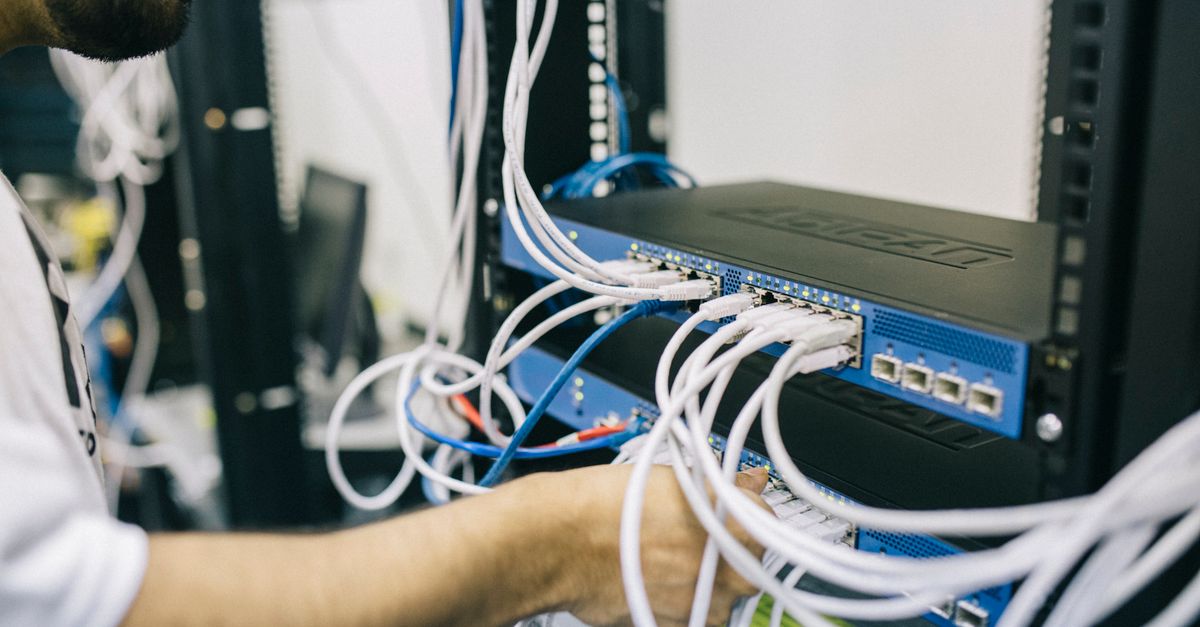
Photo by Field Engineer on Pexels
Amazon expands VPC connectivity
Amazon announced that Virtual Private Cloud can now be reached from the public Internet without a VPN. The change removes the requirement for a corporate data‑center tunnel that previously isolated every VPC. Users define the virtual network, choose an IP address range, and attach subnets that either face the Internet or stay private.
The service still offers full control over route tables and gateways. A public‑facing subnet can host web servers that answer external traffic, while a private subnet can shelter databases and application servers without inbound Internet routes. The announcement appears on the Amazon VPC web page and positions the feature as a broader use‑case enabler for cloud customers.
Implications for cloud networking
Enterprises can now skip the overhead of maintaining VPN appliances or dedicated on‑prem links. By terminating traffic at the VPC edge, they reduce latency and operational cost, but they also inherit the responsibility of exposing services safely. The shift forces architects to treat subnet segmentation as the primary security boundary rather than the VPN tunnel.
Security teams will need to audit public‑facing subnets for exposure, enforce least‑privilege security groups, and monitor Internet ingress. The flexibility to mix public and private subnets inside a single VPC mirrors traditional data‑center designs, yet it also blurs the line between cloud‑only and hybrid deployments. The trade‑off between convenience and attack surface will drive new best‑practice guides from both cloud providers and third‑party auditors.
Parallel regulatory shift: EU Right to Repair
The European Union’s Right to Repair directive entered force today, mandating that manufacturers make spare parts and repair information more accessible. The regulation, published by the European Commission, targets consumer electronics, appliances, and other durable goods. Its goal is to extend product lifespans and curb e‑waste.
For network‑equipment vendors, the rule means that routers, modems, and Wi‑Fi access points must be serviceable by end users or independent repair shops. Companies that previously locked firmware or required proprietary tools will need to adjust their support policies. The directive does not prescribe specific technical solutions, but it creates a legal framework that could pressure manufacturers to expose diagnostic interfaces and replaceable components.
Consumer network performance: simple tweaks still matter
Engadget reminds readers that a sluggish Wi‑Fi connection often stems from configurable factors rather than hardware limits. The outlet advises users to audit router settings, update firmware, and verify channel selection before purchasing a new device. Those steps can resolve bottlenecks that mimic the symptoms of an under‑performing router.
The advice also includes checking physical placement and ensuring that neighboring networks are not crowding the same frequency band. While the article stops short of prescribing exact values, it emphasizes that a disciplined review of the existing setup can avoid unnecessary upgrades. For engineers managing office spaces, the same principle applies: a well‑tuned local network reduces reliance on cloud‑side bandwidth.
What to watch
The industry will monitor how quickly AWS customers adopt the direct‑Internet VPC feature and whether security incidents rise as public subnets proliferate. In Europe, enforcement actions and compliance reports from the European Commission will reveal how the Right to Repair directive reshapes hardware design cycles. Finally, Engadget’s checklist will likely see renewed traffic as consumers test whether simple configuration changes can stave off new router purchases. Tracking AWS usage metrics, EU compliance audits, and consumer Wi‑Fi performance surveys will indicate whether these three developments converge into a more open, repairable, and efficient networking ecosystem.
Updates
Related Articles

Google Cloud Fraud Defence accused of repackaging WEI
A deep dive into the latest Hacker News discussions on Google Cloud Fraud Defence, Go language, Meshtastic, GeoJSON and the Mojo 1.0 beta.

FAA commits $875 M to AI traffic manager, eyes nationwide rollout
The FAA plans to deploy an AI system to ease DC airspace congestion, sparking debate over safety, oversight, and military precedent.

CFTC probes Polymarket trades as fintech regulators tighten grip
The CFTC opened three investigations into Polymarket speculation, amid broader regulatory scrutiny of prediction markets, cloud services, and payment platforms.