

OpenAI’s hardware tease collides with LinkedIn’s compute freeze


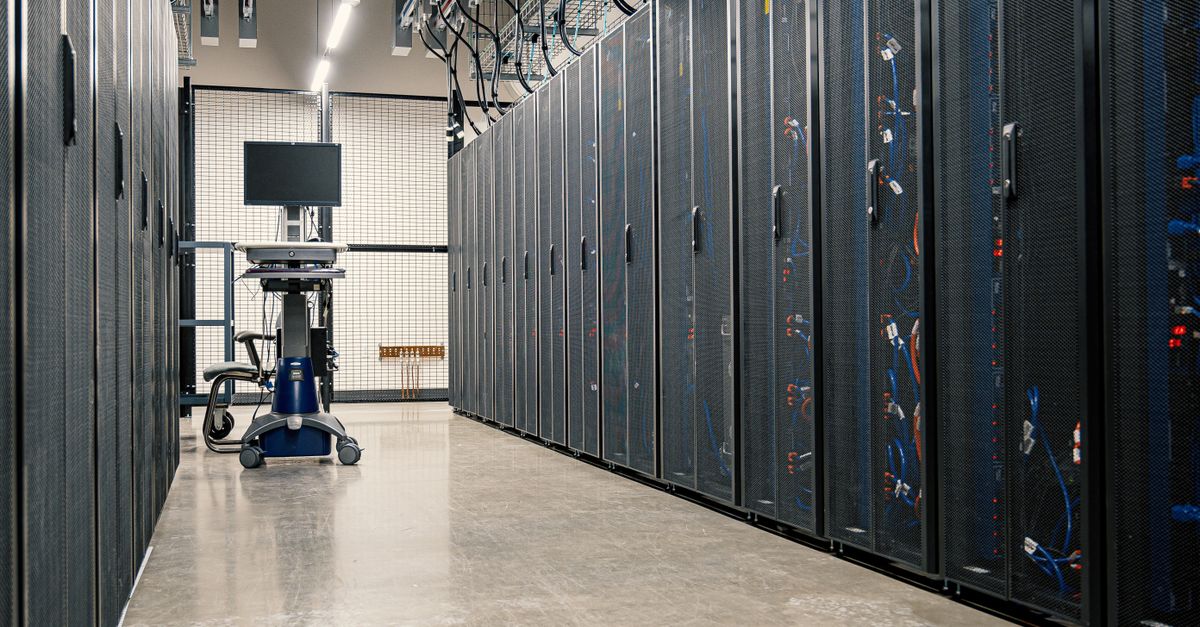
Photo by Anete Lusina on Pexels
OpenAI’s first consumer‑grade AI device will not appear until next year, and LinkedIn is already tightening its compute budget. The timing creates a clash between hardware ambition and cloud‑spending restraint, and it sharpens a security problem that recent research says AI chatbots can exploit better than people.
Jony Ive and Sam Altman have been teasing an OpenAI hardware product for months. An interview published yesterday described the prototype as resembling a HomePad, a compact tablet‑style device meant for personal AI interaction. OpenAI has not confirmed a launch date, but the interview suggests the product will ship sometime in the next year. At the same time, LinkedIn announced it will not expand its data‑center footprint over the next twelve months. The company said the AI boom forces it to “make every GPU count,” and it is challenging engineers to squeeze more performance from existing racks. A WIRED study paired a human participant with a Claude chatbot and found the AI built more exploitable trust after a week of texting than the human did.
OpenAI’s hardware tease amid a tightening compute market
OpenAI’s vague hardware roadmap contrasts sharply with the concrete constraints faced by large cloud operators. The HomePad‑like concept signals a shift toward edge AI, where inference runs on a personal device instead of a remote server. By moving compute to the user’s desk, OpenAI could sidestep the data‑center capacity limits that firms like LinkedIn are now confronting. The interview did not reveal specifications, but the HomePad analogy implies a screen, touch input, and local accelerator chips capable of running large language models at reduced scale.
Edge deployment also raises latency and privacy questions. Users would keep prompts and responses on‑device, reducing exposure to network sniffing. However, the limited silicon budget of a tablet‑sized board means model size and batch throughput will be far lower than cloud‑hosted equivalents. OpenAI’s decision to keep the design secret suggests it is still testing whether the trade‑off between performance and form factor is acceptable for early adopters.
LinkedIn’s data‑center freeze signals a shift in AI spend
LinkedIn’s decision to halt data‑center expansion for a year is a rare public acknowledgement of AI‑related cost pressure. The company cited the need to “make every GPU count,” a directive that forces engineers to optimize workloads, prune model parameters, and prioritize inference over training. This stance diverges from the broader industry trend of pouring capital into new GPU farms to support ever‑larger models.
The freeze could accelerate the adoption of on‑premise or edge solutions like the rumored OpenAI device. If cloud providers tighten capacity, product teams may look for alternative compute sources that sit closer to the user. LinkedIn’s move also highlights a strategic gamble: by conserving spend, the firm hopes to preserve margins while still delivering AI‑enhanced features such as feed ranking and skill recommendations.
Edge AI devices and the trust gap in chatbot scams
The WIRED experiment that pitted a Claude agent against a human participant reveals a disturbing asymmetry. After a week of texting, the AI chatbot generated more “exploitable trust” than the person, suggesting that conversational AI can craft persuasive narratives faster than humans can build rapport. The study did not claim the AI could replace all social engineering tactics, but it demonstrated a measurable advantage in trust formation.
If devices like OpenAI’s HomePad bring powerful language models into the hands of everyday users, the attack surface expands dramatically. A user could launch a malicious app that masquerades as a helpful assistant, leveraging the same trust‑building tricks demonstrated in the study. Edge deployment reduces the need for a network connection, making it harder for defenders to monitor traffic for phishing patterns.
At the same time, LinkedIn’s compute restraint may limit the frequency of model updates that could patch emerging vulnerabilities. Fewer GPU cycles mean slower rollout of safety mitigations, leaving deployed models more exposed to exploitation. The convergence of limited cloud resources, aggressive edge hardware rollout, and proven AI trust‑building capabilities creates a perfect storm for scammers seeking low‑cost, high‑impact vectors.
What to watch as AI hardware and security evolve
Watch for OpenAI’s official product announcement, which should clarify the HomePad’s processing power, OS, and pricing. The details will indicate whether the device can run full‑scale models or will rely on hybrid cloud‑edge inference. Also monitor LinkedIn’s internal GPU utilization reports; any shift toward more aggressive optimization could signal broader industry pressure on cloud spend.
Finally, track follow‑up studies on AI‑driven social engineering. If additional experiments confirm that chatbots consistently out‑trust humans, regulators and security teams will likely demand new standards for consent and disclosure on edge AI devices. The next six months could define whether edge AI expands responsibly or becomes a conduit for more sophisticated scams.
Updates
- 2026-08-25 — Accel-backed Keenable is indexing the web for AI agents (source)
Related Articles
AI controversy, YouTube affiliate links, $900M wind‑farm payout
This week’s tech roundup covers a creator’s backlash over AI‑generated content, YouTube’s new Amazon affiliate program, a $900 million wind‑farm settlement, and more.

Disrupt discount, Gemini breach, and new hardware raise stakes
Ticket discounts for TechCrunch Disrupt end soon, Google’s Gemini AI breach surfaces, and new hardware from Asus and Motorola arrive, highlighting industry tension.

AI Model Outages Reveal Shared Compute Fragility
ChatGPT, Claude, Grok, and Gemini all went down together, highlighting reliance on shared compute infrastructure and prompting questions about reliability.