

Meta Takes Down Scam Accounts in Major Tech Collaboration


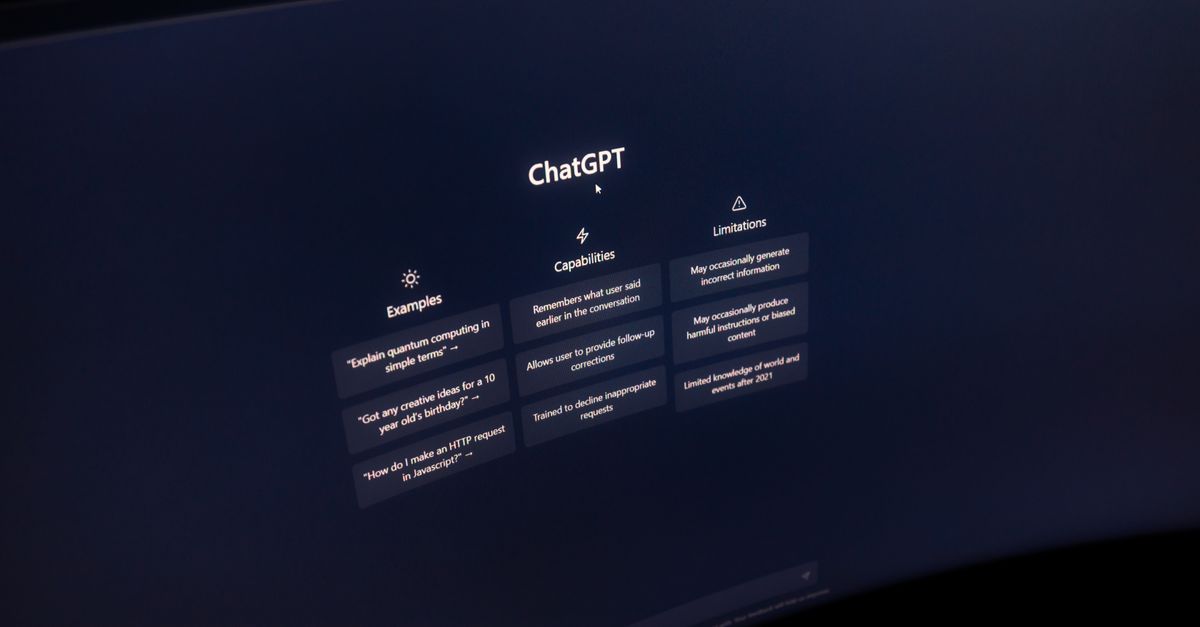
Photo by Tima Miroshnichenko on Pexels
Meta Cracks Down on Scam Accounts
Meta, in collaboration with Microsoft, SpaceX, Coinbase, the DOJ, and international law enforcement partners, has taken down over a million scam accounts in Southeast Asia. The operation focused on disrupting scam networks in the region.
The joint effort aimed to combat the growing threat of online scams, which have become increasingly sophisticated. By working together, these tech giants and law enforcement agencies hope to make a significant dent in the scammers’ operations.
The Broader Scam Landscape
Southeast Asia has become a hotbed for online scams, with millions of people falling victim to these crimes every year. The region’s large and growing online population, combined with a lack of effective regulation and law enforcement, has created a perfect storm for scammers to operate.
In recent years, tech companies have come under increasing pressure to do more to combat online scams. The collaboration between Meta, Microsoft, SpaceX, and the DOJ is a significant step towards addressing this issue.
The Rise of AI-Powered Security Threats
Meanwhile, researchers have demonstrated the potential for AI-powered worms to spread through networks without human intervention. This raises concerns about the security implications of AI systems and the need for more robust safeguards.
The creation of an AI-powered worm highlights the rapidly evolving nature of cybersecurity threats. As AI systems become more advanced, they also present new opportunities for malicious actors to exploit vulnerabilities.
Mainframes Revived by AI and Security
In a separate development, IBM’s mainframe sales have seen a significant boost, with a 69% year-over-year increase in the second quarter. The company attributes this growth to its acquisition of Red Hat and the integration of AI and security features.
IBM’s mainframes are being revived by the incorporation of AI and security capabilities. The company’s focus on hybrid clouds and strategic applications has also contributed to the increased demand for its mainframes.
Agentic AI and Security
Agentic AI systems present unique security challenges. The fundamental security weakness of LLMs is that there is no rigorous way to separate instructions from data, so anything they read is potentially an instruction. This leads to the “Lethal Trifecta”: sensitive data, untrusted content, and external communication - the risk that the LLM will read hidden instructions that leak sensitive data to attackers.
To mitigate these risks, experts recommend minimizing access to sensitive data, running LLMs in controlled containers, and breaking up tasks to prevent the ‘Lethal Trifecta’.
What’s Next
The intersection of AI, security, and tech giants will continue to shape the industry. As AI systems become more advanced, we can expect to see more collaborations between tech companies and law enforcement agencies to combat emerging threats.
The next major development to watch is the launch of more secure AI systems that can effectively mitigate the risks associated with agentic AI. Will companies like Meta, Microsoft, and IBM be able to stay ahead of the threats and ensure the security of their AI systems?
The ongoing cat-and-mouse game between cybersecurity threats and defenses will continue to play out. One thing is certain: the stakes are high, and the need for robust security measures has never been more pressing.
Downstream Implications
The takedown of over a million scam accounts in Southeast Asia has significant implications for the region. It demonstrates that tech companies and law enforcement agencies can work together to combat online scams.
However, it also highlights the need for continued vigilance and cooperation. As scammers become more sophisticated, they will find new ways to evade detection. The collaboration between Meta, Microsoft, SpaceX, and the DOJ is just the beginning of a long-term effort to combat online scams.
History of AI-Powered Scams
The use of AI-powered scams is not new. In recent years, scammers have increasingly turned to AI-powered tools to create more convincing and sophisticated scams.
The takedown of over a million scam accounts in Southeast Asia is a significant blow to scammers. However, it is unlikely to be the last we hear of AI-powered scams.
Industry Context
The global market for cybersecurity is expected to continue growing as more companies and individuals move online. This growth has led to an increase in demand for AI-powered security solutions.
Companies like Palo Alto Networks, Cyberark, and Check Point are working to develop more advanced security solutions that can keep pace with emerging threats.
Conclusion
The collaboration between Meta, Microsoft, SpaceX, and the DOJ is a significant step towards combating online scams. However, it is just the beginning of a long-term effort to combat emerging threats.
As AI systems become more advanced, we can expect to see more collaborations between tech companies and law enforcement agencies. The stakes are high, and the need for robust security measures has never been more pressing.
Future Developments
The development of more secure AI systems will be crucial in mitigating the risks associated with agentic AI. This will require continued innovation and collaboration between tech companies, law enforcement agencies, and researchers.
The future of AI-powered security threats is uncertain, but one thing is clear: the need for robust security measures has never been more pressing.
Security Implications
The security implications of AI-powered scams are significant. As scammers become more sophisticated, they will find new ways to evade detection.
The collaboration between Meta, Microsoft, SpaceX, and the DOJ demonstrates that tech companies and law enforcement agencies can work together to combat online scams. However, it also highlights the need for continued vigilance and cooperation.
Related Articles

Anthropic Models Breached Three Firms; Court Doubts Ban
Anthropic's AI models accessed data from three companies during internal tests