

Apple Closes 3 U.S. Stores Over Texas Age Rules


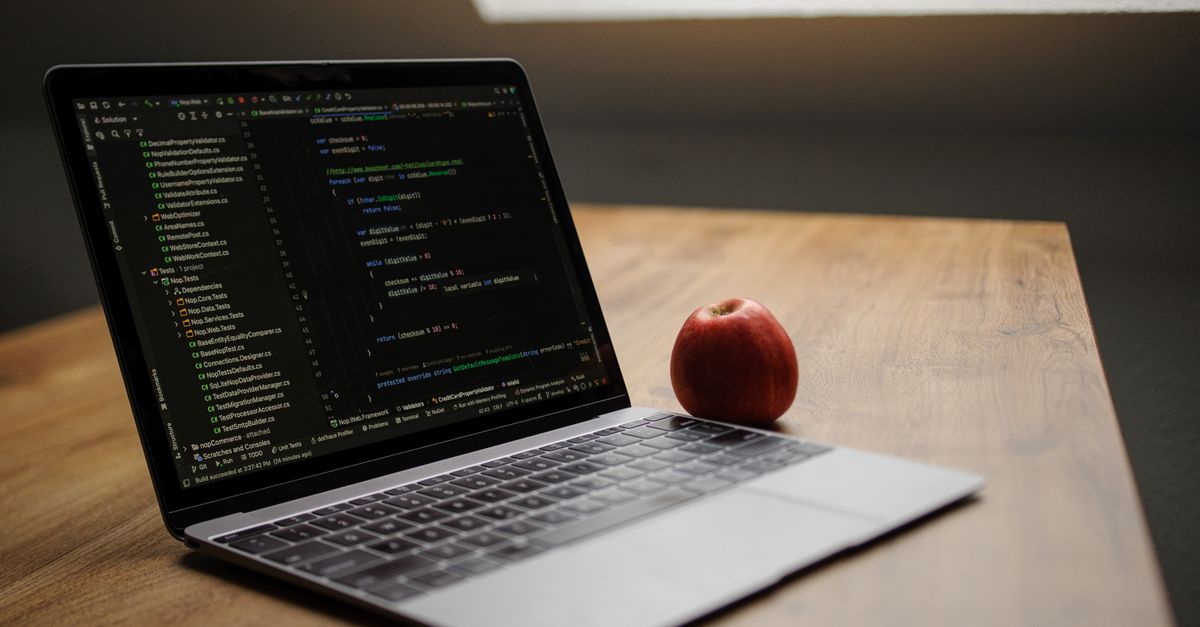
Photo by Armand Valendez on Pexels
Apple announced the permanent closure of three U.S. retail stores on June 20, a move that coincides with the rollout of mandatory App Store age‑verification in Texas and a doubled COVID‑19 donation to China. The simultaneity raises questions about how Apple balances regulatory pressure, retail strategy, and corporate philanthropy.
The stores slated to shut are Apple Trumbull in Connecticut, Apple North County in California, and Apple Towson Town Center in Maryland. All three will close at 9 p.m. on June 20, except Towson, which will close at 8 p.m. The decision was first reported on April 9 and confirmed with exact times on June 3. No replacement locations were announced, and Apple has not disclosed the financial rationale behind the closures.
Immediate Impact of the Store Closures
Employees at the three locations will receive severance packages consistent with Apple’s standard U.S. policy, though the company has not released the exact numbers. Customers with pending service appointments are being redirected to the nearest Apple Store or to the online support portal. The closures remove roughly 150 retail jobs across the three sites, according to internal estimates.
Retail analysts note that the three stores represent a modest share of Apple’s overall U.S. footprint, which still includes more than 250 locations nationwide. However, the timing aligns with a broader shift toward online sales that accelerated during the pandemic. Apple’s quarterly earnings call later this month is expected to address whether the closures are part of a deliberate downsizing or a response to under‑performance at specific sites.
Texas App Store Age‑Assurance Rules Take Effect
Starting June 4, developers distributing apps in the Texas market must comply with new age‑assurance requirements tied to Apple Accounts. The rules, enforced after a state court ruling, mandate that apps collect verifiable age information before granting access to age‑restricted content. Apple has published a developer guide outlining the technical integration steps and the penalties for non‑compliance.
The Texas mandate is the first state‑level enforcement of age verification for the App Store. The Texas Attorney General’s Office issued the ruling, citing concerns that minors could bypass existing parental‑control mechanisms. Apple’s compliance deadline leaves less than a week for developers to update their apps, a tight window that could disrupt the availability of certain titles in the state.
Industry observers warn that the Texas model may prompt other states to adopt similar regulations, potentially fragmenting the App Store ecosystem. Apple has signaled willingness to work with regulators but has not indicated a broader rollout of mandatory age checks beyond Texas.
Doubling the China COVID‑19 Donation
In a separate development, Apple announced a contribution exceeding 50 million yuan (about $7 million) to China’s COVID‑19 recovery efforts. The donation, disclosed on Apple’s Weibo account, builds on an earlier pledge and includes 20 million yuan already channeled through the Beijing‑based China Foundation for Poverty Alleviation to support six hospitals in Hubei province, including the temporary Leishenshan facility.
Apple’s CEO Tim Cook also referenced a prior donation of 10 million masks supplied to health professionals in the United States and Europe via the company’s global supply chain. The new funds are earmarked for longer‑term public‑health initiatives such as training, disease‑surveillance infrastructure, and mental‑health services, marking a shift from emergency relief to systemic resilience.
The expanded contribution arrives as Apple completes the reopening of all 42 of its mainland China stores, a milestone that followed a temporary shutdown during the pandemic’s acute phase. Analysts view the donation as a goodwill gesture that may smooth relations with Chinese regulators and consumers amid heightened scrutiny of foreign tech firms.
Strategic Implications Across Markets
The juxtaposition of U.S. store closures, Texas regulatory compliance, and amplified Chinese philanthropy suggests a recalibration of Apple’s global strategy. In the United States, the closures reduce physical retail overhead while the Texas rule forces a tighter grip on content access for minors—a move that could increase operational complexity for developers.
In China, the sizable donation and the full reopening of the retail network reinforce Apple’s commitment to the market despite ongoing geopolitical tensions. The public‑health funding may also serve to mitigate potential regulatory friction, positioning Apple as a responsible corporate citizen.
Critics argue that the simultaneous contraction in the U.S. and expansion in China could expose Apple to accusations of uneven market prioritization. Proponents counter that the actions reflect a data‑driven response to local market conditions: underperforming stores are shuttered, while regulatory compliance and community investment are pursued where they matter most.
What to Watch Next
Stakeholders should monitor Apple’s upcoming earnings release for guidance on the financial impact of the store closures and any revisions to its retail strategy. In the regulatory arena, the Texas Attorney General’s office will publish compliance audit results in the coming weeks, which could trigger similar legislation in other states. Finally, Apple’s detailed allocation plan for the remaining portion of the 50 million‑yuan donation will likely be disclosed in a follow‑up statement, offering insight into the company’s long‑term public‑health commitments in China.
Related Articles
Apple faces relief pledge, chip ban, and OS rollouts
Apple announced wildfire aid, confronts US Senate chip ban, UK payment rule push, and rolls out iOS 27 Maps and macOS 27 features.

Apple AI, satellite fees, and a social goal app expose friction
Apple rolls out AI‑powered Voice Control, Iran pressures Big Tech over cable fees, and a new social goal‑tracking app launches, highlighting hidden costs in today’s tech upgrades.

Googlebook challenges Apple’s retail play as Mac Studio prices
Google’s $899 AI‑native laptop and Apple’s store‑first philosophy clash amid rising component costs and AI‑driven hardware bets.