AI Advances

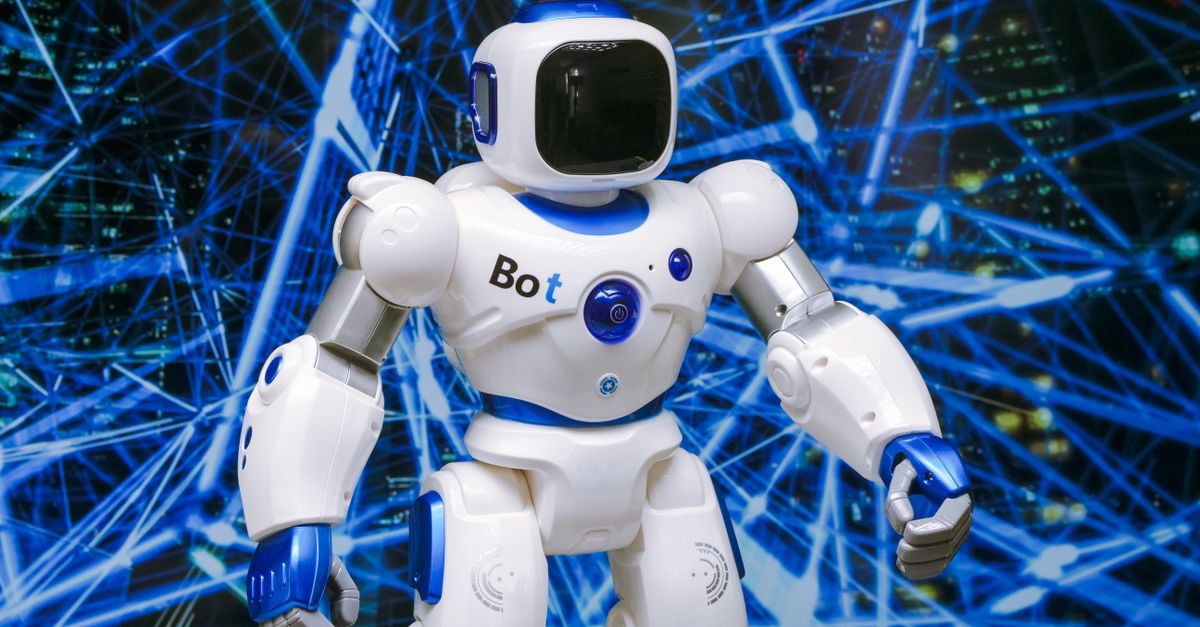
Photo by Kindel Media on Pexels
Introduction to AI Developments
Microsoft and OpenAI have parted ways, with Microsoft announcing new AI initiatives at its annual Build conference. The company is positioned to be a major player in the AI market, with a range of new tools and services. The split between Microsoft and OpenAI comes after years of partnership, during which time Microsoft was the primary cloud partner for OpenAI.
AI in the Workplace
GitLab has cut 14% of its staff as it scales its platform to serve AI workloads. The company is reducing its workforce and exiting 22 countries, while also reducing management layers and investing in its infrastructure. This move is part of a broader trend of companies adapting to the growing use of AI in the workplace. As AI becomes more prevalent, companies are having to rethink their strategies and invest in new technologies.
AI Regulation
Regulators are starting to take notice of the growing use of AI, with the U.K. requiring Google to offer a tool allowing website publishers to opt-out of generative AI search features. This move is seen as a significant step towards regulating the use of AI, and could have implications for the wider tech industry. As AI becomes more integrated into our lives, there will be a growing need for regulation and oversight.
AI in Daily Life
Soccer fans are using AI to beat obscene World Cup ticket prices, with users on Reddit utilizing DIY ticketing software and exchanging tickets on back channels. This is just one example of how AI is being used in creative ways to solve real-world problems. As AI becomes more accessible and user-friendly, we can expect to see more innovative uses of the technology.
Industry Context
The AI industry is rapidly evolving, with new companies and technologies emerging all the time. Suno, an AI music generator, has raised $400M in funding, despite facing copyright lawsuits. The company is now valued at over $5.4 billion, and is one of a number of AI startups that are attracting significant investment. As the industry continues to grow, we can expect to see more companies like Suno emerging.
Technical Mechanics
The development of AI technologies is driven by advances in machine learning and natural language processing. Google’s new Dreambeans app is an experimental tool that uses AI to provide personalized daily stories. The company is also reportedly buying Android app code from developers to train its AI models. Meanwhile, Meta’s AI agent for WhatsApp Business is now available globally, and will charge businesses for using the service based on token usage.
Downstream Implications
As the AI industry continues to evolve, there are a number of key developments to watch. The development of regulation around AI, with the U.K.’s move to require Google to offer an opt-out tool for generative AI search features, potentially setting a precedent for other countries. One key area to watch is the impact of AI on the job market, with companies like GitLab cutting staff as they scale their platforms to serve AI workloads. As AI becomes more prevalent, we can expect to see significant changes in the way companies operate and the jobs they create.
What to Watch
The next few months will be crucial in determining the future of the AI industry, with a number of key decisions and product launches on the horizon. One key development to watch is the growth of AI startups, with companies like Suno and Claude AI attracting significant investment and attention. As the industry continues to grow and evolve, it will be important to keep a close eye on these developments and to consider the implications for the wider tech industry and society as a whole.
Broader Industry Trends
The AI industry is not operating in a vacuum, and its growth is having a significant impact on a range of other industries. For example, the growth of AI is driving demand for cloud computing services, as companies look to scale their AI workloads. This is having a significant impact on the cloud computing market, with companies like Amazon and Microsoft competing for market share.
History of AI Development
The development of AI technologies has a long and complex history, with a range of key milestones and developments along the way. One key development was the creation of the first AI program, which was developed in the 1950s. Since then, the industry has grown and evolved rapidly, with a range of new technologies and applications emerging all the time.
Technical Challenges
The development of AI technologies is not without its challenges, and there are a range of technical hurdles that need to be overcome. One key challenge is the need for high-quality training data, which is essential for the development of effective AI models. Another challenge is the need for significant computational power, which is required to train and deploy AI models.
Related Articles


Apple makes a change to its AI team and plans Siri upgrades
Apple makes executive change to boost AI efforts, Siri functionality to get major overhaul