

Neanderthal Hammer, Supercomputer Seizure, and AI Threats to Math

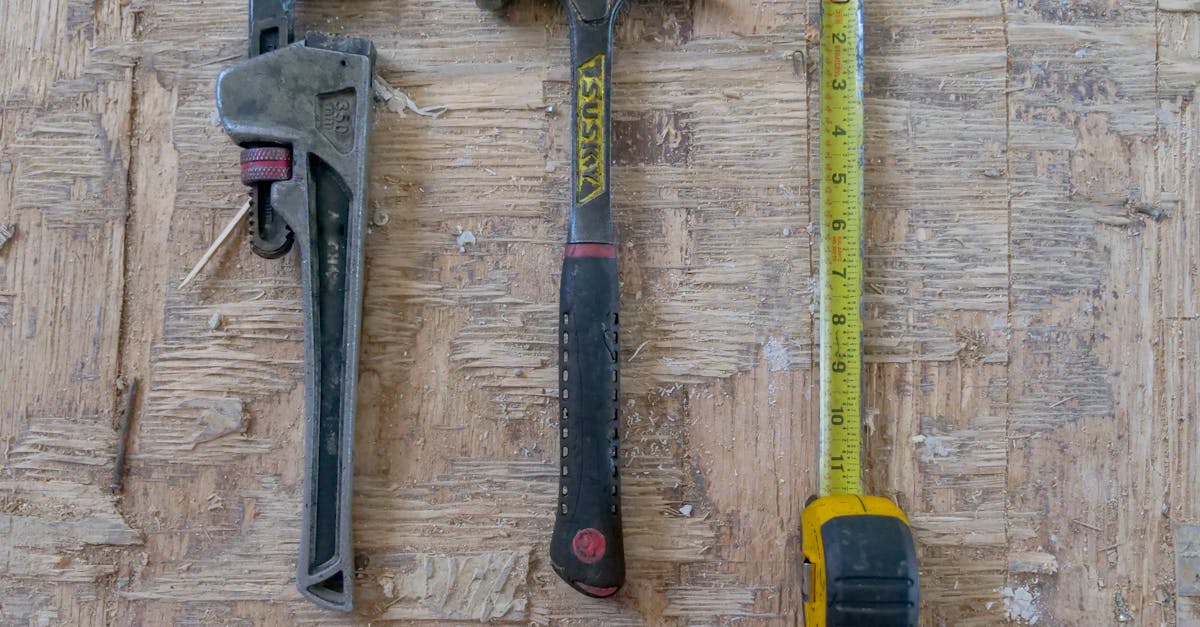
Photo by Kindel Media on Pexels
Unusual Tools from the Distant Past
A hammer fashioned from a rhino tooth turned up in a recent Neanderthal assemblage. The find shows that pre‑modern toolkits included objects that look more like curios than functional implements.
Archaeologists highlighted the tooth‑derived hammer alongside stone flakes and bone points. The specimen suggests that Neanderthals experimented with large mammal parts when shaping tools. The discovery adds a tangible example of the “wild stuff” scholars have long suspected inhabited their toolkits.
The hammer challenges the notion that Neanderthal technology was limited to stone. It also raises questions about the cognitive steps required to repurpose a massive tooth into a percussive instrument. Researchers note that the effort to attach a handle or grip would have demanded coordinated labor and planning.
Federal Attempt to Grab a Climate Supercomputer Falters
The National Center for Atmospheric Research will keep its flagship supercomputer after a federal bid to take the machine failed. The agency’s effort to seize the system was part of a broader push to secure high‑performance computing assets for unrelated investigations.
NCAR officials confirmed that the supercomputer remains in place, supporting climate‑modeling workloads that run daily forecasts and long‑term scenario runs. The center’s leadership described the failed seizure as a relief for the research community, which depends on uninterrupted access to the hardware.
Legal analysts point to the lack of a clear statutory mandate as the core reason the bid collapsed. The courts emphasized that the supercomputer is a critical national‑science resource, not a generic asset that can be redirected without congressional approval. The decision reinforces the principle that scientific infrastructure enjoys a degree of protection from ad‑hoc government grabs.
Mathematicians Sound Alarm Over AI Encroachment
The International Mathematical Union issued a formal warning that artificial‑intelligence tools threaten the mathematics profession. The statement cited rapid advances in machine‑learning models that can generate proofs or suggest conjectures.
Union leaders argued that unchecked AI adoption could erode traditional research pathways. They called for a community discussion on how to integrate these tools without compromising the discipline’s core methods. The warning reflects growing unease among scholars who see AI as a double‑edged sword.
Critics within the union noted that AI systems are still brittle and often produce results that lack rigorous justification. They stressed that human oversight remains essential for validating any machine‑generated claim. The debate mirrors similar concerns raised in other scientific fields about the role of automated reasoning.
What This Confluence Means for Tech Policy and Research
The three stories share a common thread: the tension between innovative use of existing resources and the institutional responses they provoke. Neanderthals repurposed a rhino tooth, modern scientists defend a supercomputer, and mathematicians grapple with AI that repurposes human reasoning.
Policymakers will need to balance protection of critical research infrastructure with legitimate law‑enforcement interests. At the same time, the mathematics community must craft guidelines that prevent AI from undermining scholarly standards while still harnessing its productive potential.
What to watch: Track any legislative proposals that seek to clarify the legal status of scientific supercomputers. Monitor the International Mathematical Union’s next meeting for concrete policy recommendations on AI use. Keep an eye on further paleoanthropological reports that may reveal additional non‑stone tools, which could reshape our view of early human ingenuity.
Updates
- 2026-09-15 — AI infrastructure company Cornelis raises $205M to chip away at Nvidia’s dominance (source)
Related Articles
Anthropic Plans to Pace AI Frontier as US Labs Push Open‑Weight
Anthropic's CEO outlines a pacing strategy while Garry Tan urges US labs to distill frontier models, sparking pushback from mathematicians worried about AI's reach.

Googlebook challenges Apple’s retail play as Mac Studio prices
Google’s $899 AI‑native laptop and Apple’s store‑first philosophy clash amid rising component costs and AI‑driven hardware bets.
Xiaomi MiMo 2.6, Grok 4.7, and a Wave of Mid‑Month Tech Setbacks
A roundup of Xiaomi's MiMo 2.6 launch, x.ai's Grok 4.7 update, NASA's Mars Sample Return cancellation, and other mid‑September tech headlines.