Tech Roundup: Universal Audio, Microsoft, and Photonic Chips

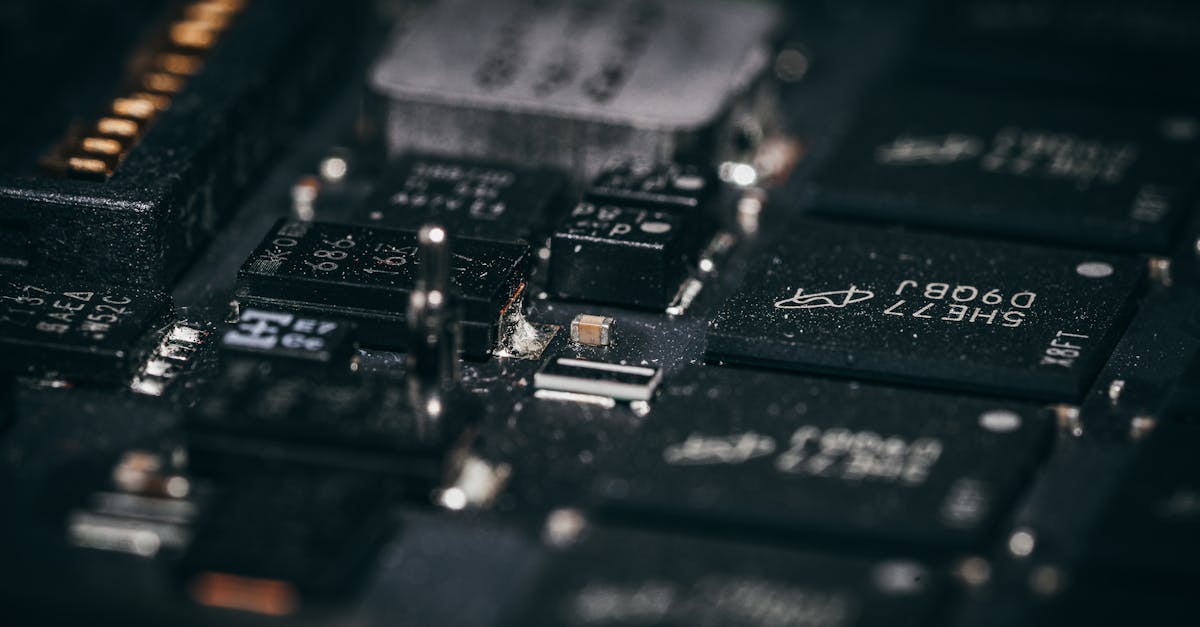
Photo by Jakub Pabis on Pexels
Universal Audio’s Volt 876 Shines
The Universal Audio Volt 876 USB audio interface has made a strong impression with its true plug-and-play support, versatile connectivity, and exceptional sound quality.1234 This device simplifies recording, making it a valuable tool for engineers and musicians alike.2 The Volt 876 features a compact design, multiple input options, and a user-friendly interface.15674 Universal Audio’s focus on delivering high-quality sound and ease of use has paid off, as the Volt 876 has received praise from critics and users.1284
One of the key features that sets the Volt 876 apart is its ability to deliver high-quality sound with minimal setup required.2 This makes it an attractive option for musicians and engineers who need to focus on creating high-quality recordings without getting bogged down in complicated equipment. The Volt 876’s compact design also makes it easy to use in a variety of settings, from home studios to live performances.54
Microsoft’s Surface Laptop Ultra Packs a Punch
Microsoft’s Surface Laptop Ultra is a powerhouse, thanks to NVIDIA’s RTX Spark. This laptop is designed to handle demanding tasks, making it an attractive option for those seeking high-performance computing on the go. The Surface Laptop Ultra boasts a sleek design, a high-resolution display, and a range of configuration options. With NVIDIA’s RTX Spark, this laptop is well-equipped to handle tasks such as gaming, video editing, and software development.
The Surface Laptop Ultra’s performance capabilities make it an attractive option for professionals who need to work on demanding projects. The laptop’s high-resolution display and range of configuration options also make it a great option for those who need a device that can handle a variety of tasks. Additionally, the laptop’s sleek design makes it a great option for those who value portability and style.
Photonic Chips Take a Leap Forward
Researchers at the University of Utah have developed an ultracompact beamsplitter, which is expected to bring silicon photonic chip development a significant step forward. This tiny beamsplitter measures just 2.4 x 2.4 microns in size, making it one-fiftieth the width of a human hair. The discovery brings researchers closer to producing silicon photonic chips that compute and shuttle data with light instead of electrons. Machines packing such chips could form the next generation of computers and mobile devices capable of speeds millions of times faster than current machines.
The development of photonic chips has the potential to revolutionize the way we compute and communicate. With the ability to process data at speeds millions of times faster than current machines, photonic chips could enable a wide range of new applications, from advanced artificial intelligence to high-speed data transfer. The ultracompact beamsplitter developed by researchers at the University of Utah is a key component in the development of silicon photonic chips.
Industry Context
The tech industry is constantly pushing the boundaries of innovation, with companies like Universal Audio, Microsoft, and NVIDIA driving advancements in their respective fields. The development of photonic chips, in particular, has the potential to revolutionize computing and data transfer. As the industry continues to evolve, we can expect to see new applications and use cases emerge that take advantage of these advancements.
The development of photonic chips is also closely tied to the development of other emerging technologies, such as artificial intelligence and the Internet of Things. As these technologies continue to evolve, we can expect to see new applications and use cases emerge that take advantage of the high-speed data transfer capabilities of photonic chips.
Technical Mechanics
Photonic chips use light to compute and shuttle data, rather than electrons. This technology has the potential to significantly increase computing speeds and reduce power consumption. The ultracompact beamsplitter developed by researchers at the University of Utah is a key component in the development of silicon photonic chips. The beamsplitter works by splitting light into different paths, allowing for the creation of high-speed data transfer channels.
The development of photonic chips requires the creation of ultracompact components, such as the beamsplitter. These components must be able to operate at high speeds and with high levels of accuracy. The development of new algorithms and manufacturing techniques has enabled researchers to create components that are smaller and more efficient than ever before.
What’s Next
As the tech landscape continues to evolve, we can expect to see further advancements in areas such as audio interfaces, high-performance computing, and photonic chips. Keep an eye on Universal Audio’s future releases, Microsoft’s updates to the Surface Laptop Ultra, and the development of silicon photonic chips. The next significant milestone to watch is the development of silicon photonic chips that can be used in commercial applications. Researchers are working to overcome the challenges associated with producing these chips, and we can expect to see significant progress in the coming years.
The development of photonic chips has the potential to enable a wide range of new applications, from advanced artificial intelligence to high-speed data transfer. As researchers continue to make progress in this area, we can expect to see new use cases emerge that take advantage of these advancements. Additionally, the development of photonic chips could have significant implications for industries such as healthcare, finance, and education.
Historical Context
The development of photonic chips is a continuation of a long trend of innovation in the field of computing. The introduction of transistors in the mid-20th century revolutionized computing by enabling the creation of smaller, faster, and more efficient computers. The development of photonic chips represents a similar leap forward, with the potential to enable computers that are millions of times faster than current machines.
The development of photonic chips also builds on previous advancements in the field of photonics. Researchers have been working on the development of photonic chips for several decades, and significant progress has been made in recent years. The development of the ultracompact beamsplitter is a key milestone in this process, and it brings researchers closer to producing silicon photonic chips that can be used in commercial applications.
Conclusion
In conclusion, the tech world is abuzz with exciting developments, from Universal Audio’s Volt 876 to Microsoft’s Surface Laptop Ultra and the advancements in photonic chips. As these technologies continue to evolve, we can expect to see significant improvements in performance, efficiency, and capabilities. The development of photonic chips, in particular, has the potential to revolutionize computing and data transfer, enabling new applications and use cases that take advantage of high-speed data transfer capabilities.
The development of photonic chips is a significant milestone in the history of computing, and it has the potential to enable a wide range of new applications and use cases. As researchers continue to make progress in this area, we can expect to see new innovations emerge that take advantage of these advancements. Additionally, the development of photonic chips could have significant implications for industries such as healthcare, finance, and education.
Updates
- 2026-09-10 — ‘Killmonger Locs’ Are Everywhere in Video Games. This Artist Is Sick of It (source)
- 2026-08-17 — iPhone 18 Pro: Six new features are coming next month (source)
Footnotes
Related Articles

Microsoft AI
Microsoft launches new AI tools and services, expanding its AI development capabilities