

Renault's reliability woes intensify

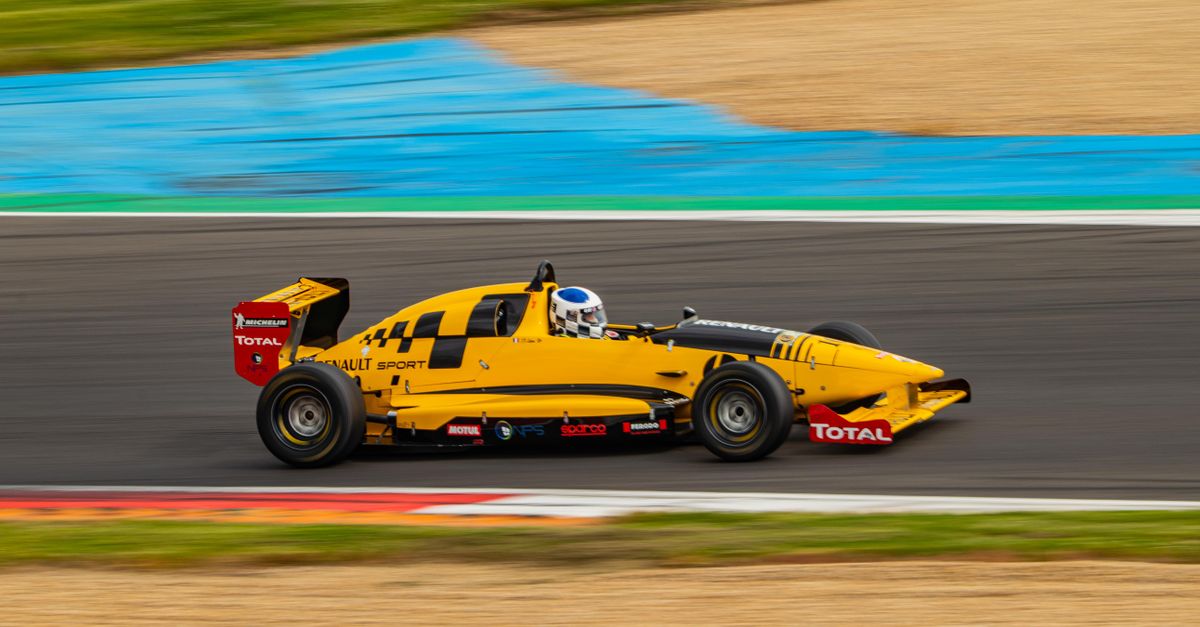
Photo by Adrien Gambet on Pexels
Renault’s power unit struggles
Renault’s V6 turbo-hybrid engine, which promised a performance step up, has been plagued by reliability issues. A double power unit failure occurred, and the team struggled to make consistent performance steps without sacrificing reliability. The engine’s MGU-K component has been particularly troublesome, with several failures reported during the season.
The cost of fast-tracking development
Renault’s managing director, Cyril Abiteboul, acknowledged that the team biased internal processes toward performance, fast-tracking steps that normally receive extensive validation. This approach led to a software oversight that caused a car to retire. Abiteboul stated, “We clearly need to improve the reliability of the engine.” He expressed optimism about moving past the early-2019 gremlins.
Reliability in the midfield
The broader trend in F1 shows a decline in reliability, with a driver having only a six-in-ten chance of finishing a race. Renault’s struggles have shifted the midfield dynamics, and teams that can marry performance upgrades with robust validation will capitalize on the points vacuum left by the French squad. This shift has significant implications for the midfield battle, with teams like Haas, Alfa Romeo, and Toro Rosso competing for points.
What this means for F1
The situation pressures the FIA to scrutinize the balance between performance and reliability. If more teams adopt Renault’s aggressive development cadence, the grid could see a spike in race-ending failures. Conversely, a collective retreat to slower, more methodical upgrades could restore finish rates but slow the technological arms race that defines Formula 1.
A look back at Renault’s engine development
Renault’s power unit issues are not an isolated incident. In previous seasons, the team has faced challenges with its engine development. For instance, in 2018, Renault’s engine was criticized for its lack of performance and reliability. However, the team made significant progress in the off-season, with Abiteboul stating that the team had made a “significant step” in terms of power gain.
The impact on the midfield battle
Renault’s reliability struggles have significant implications for the midfield battle. With teams like Haas, Alfa Romeo, and Toro Rosso competing for points, Renault’s struggles have created an opportunity for these teams to capitalize on their reliability. If Renault can address its reliability issues, it could potentially challenge for podiums and wins.
The technical aspects of Renault’s engine
Renault’s V6 turbo-hybrid engine is a complex piece of machinery, with multiple components working together to produce power. The engine features a turbocharger, an MGU-K, and an MGU-H, all of which work together to produce over 1,000 horsepower. However, the complexity of the engine also makes it prone to reliability issues.
The future of F1 engine development
As F1 continues to evolve, engine development will play a critical role in determining the success of teams. With the current engine regulations set to remain in place until 2025, teams will need to continue to innovate and push the boundaries of what is possible. However, the FIA will need to balance the desire for performance with the need for reliability, ensuring that the sport remains competitive and exciting for fans.
Industry context
The struggles of Renault’s power unit highlight the challenges faced by all F1 teams in balancing performance and reliability. The current engine regulations have led to a situation where teams are pushing the limits of what is possible, but this has come at the cost of reliability. The FIA will need to consider this balance when making future decisions on engine regulations.
Conclusion
Renault’s reliability woes have significant implications for the team and the sport as a whole. As the team looks to address its issues and improve its performance, the FIA will need to scrutinize the balance between performance and reliability. With the midfield battle heating up, Renault’s struggles have created an opportunity for other teams to capitalize on their reliability. As F1 continues to evolve, engine development will play a critical role in determining the success of teams.
Updates
Related Articles

Googlebook challenges Apple’s retail play as Mac Studio prices
Google’s $899 AI‑native laptop and Apple’s store‑first philosophy clash amid rising component costs and AI‑driven hardware bets.

Xiaomi MiMo 2.6, Grok 4.7, and a Wave of Mid‑Month Tech Setbacks
A roundup of Xiaomi's MiMo 2.6 launch, x.ai's Grok 4.7 update, NASA's Mars Sample Return cancellation, and other mid‑September tech headlines.

Apple's rapid RC rollout pressures macOS developers
Apple released second release candidates for macOS Tahoe and Sequoia, while beta streams for Golden Gate and iOS 27.2 accelerate, sparking developer strain and highlighting ecosystem frictions.