

Marcia Lucas' Death Highlights Film Editing's Quiet Power

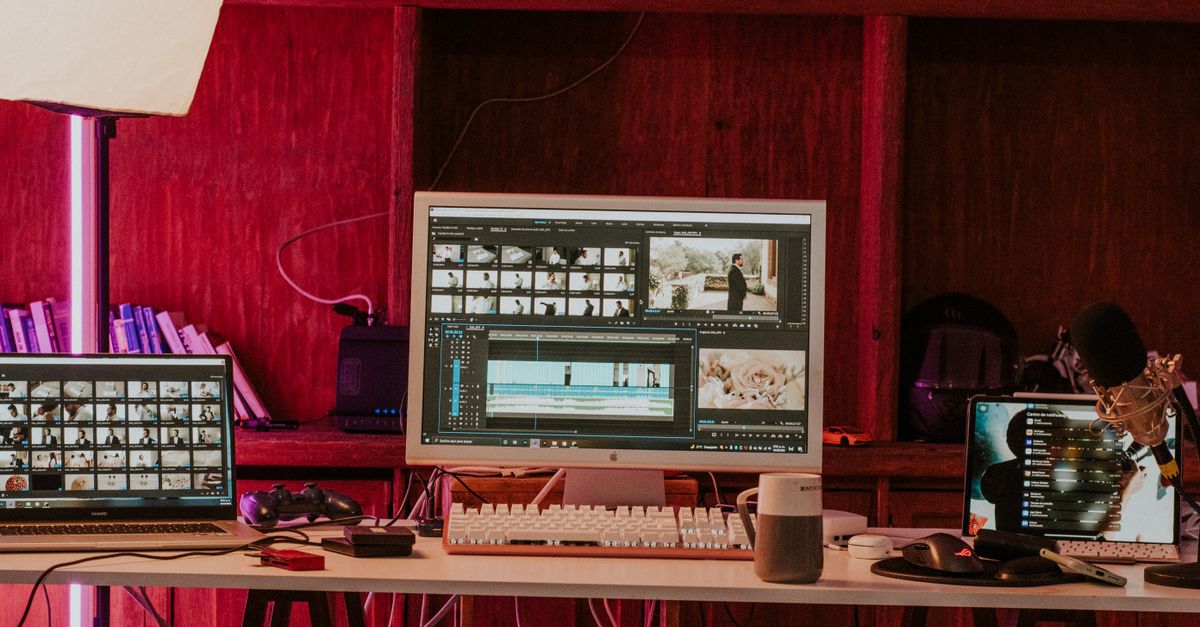
Photo by Amar Preciado on Pexels
A legend of the cutting room dies
Marcia Lucas, the editor behind Star Wars and Return of the Jedi, died at 80. Her work helped shape the visual language of modern blockbusters, and her loss forces a look at the tools that make cinematic magic possible.
The two films she cut remain benchmarks for pacing, match‑cutting, and the integration of practical effects with narrative rhythm. Lucas’ hand guided the assembly of thousands of feet of film, a process that today is performed on cloud‑based workstations but that once required physical splicing, meticulous logging, and a deep sense of timing.
The craft that stitches mythic worlds
Editing has always been a blend of art and engineering. In the era of celluloid, an editor used a flatbed machine, a light table, and a razor blade to join strips of emulsion. The physicality of the job meant that each decision left a permanent mark on the negative. Lucas operated in that analog world, where a single cut could alter a scene’s emotional weight.
When non‑linear digital editing arrived in the late 1990s, the industry shifted to software that allowed infinite undo, real‑time playback, and collaborative timelines. The change mirrors the transition from the Apollo guidance computer to modern touch‑screen flight decks: the same mission, a radically different interface. The underlying principle—precise sequencing of information—remains unchanged.
Why the editor matters in a VFX‑driven age
Today’s blockbusters lean heavily on computer‑generated imagery, yet the editor still decides where a CGI shot lands in the story. The decision to cut to a digital planet or to linger on a practical set piece determines audience immersion. Lucas’ cuts in Star Wars balanced practical models with emerging optical effects, proving that timing can make or break a visual illusion.
The rise of AI‑assisted editing tools, such as machine‑learning driven shot selection, threatens to automate routine decisions. Yet the human sense of narrative tension, cultivated over decades, resists full automation. The failure of long‑running AI projects like Cyc, which spent $200 million trying to encode common‑sense knowledge without achieving breakthrough, illustrates how difficult it is to replicate the tacit expertise of editors like Lucas.
A legacy that informs future pipelines
The industry now builds pipelines that integrate raw footage, visual effects, and sound in a single digital ecosystem. The workflow still mirrors the analog steps Lucas performed: ingest, log, assemble, refine. What has changed is the speed and accessibility of the tools. Independent creators can now edit on laptops that rival the power of the flatbeds of the 1970s.
Historical parallels reinforce this continuity. The 1973 oil shock forced manufacturers to redesign supply chains; the 1996 Telecom Act reshaped network architecture. In each case, a disruptive event spurred technical adaptation while the core objectives stayed the same. Lucas’ death is a reminder that even as platforms evolve, the discipline of editing remains a cornerstone of storytelling.
What to watch
The next generation of editing suites will be judged on how well they preserve the editorial judgment that Lucas embodied while offering AI‑driven efficiency. Watch for major NLE vendors to announce features that claim to “suggest cuts” or “auto‑match beats.” Their adoption will signal whether the industry embraces automation or doubles down on the human eye that defined a generation of cinema.
Updates
Related Articles
Microsoft, Lyft, Samsung and Honor Shift Audience and Device Play
Microsoft pushes fan-community features, Lyft trains drivers to service Waymo fleets, Samsung advises Apple on foldables, and Honor’s robot phone sparks niche demand.

DoD disables ad tracking on soldiers after hostile location
The Pentagon halted advertising IDs on service members' phones after intelligence linked location data to enemy attacks, raising privacy and security stakes.

Hyperloop Test Track Breaks Ground as Uber Rolls Out London
Hyperloop Transportation Technologies begins building a five‑mile test tube in Quay Valley while Uber launches supervised robotaxis in London, highlighting a new wave of autonomous transport.