

Hormuz Crisis Drives Up Container Shipping Rates Sharply

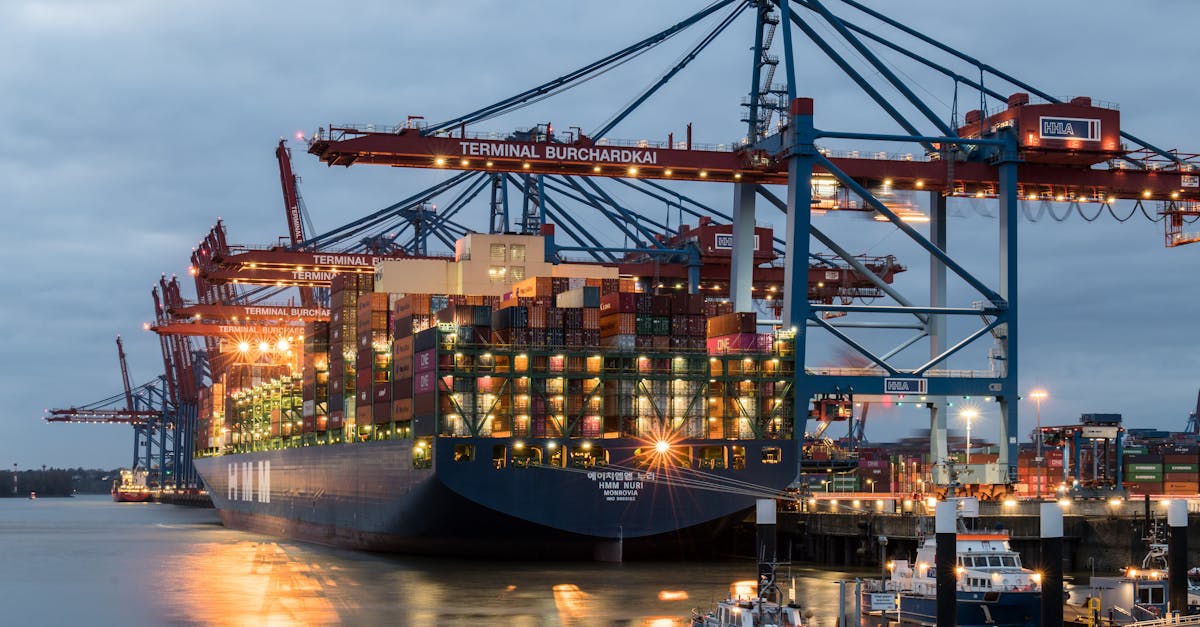
Photo by Wolfgang Weiser on Pexels
Rate Surge
Container shipping rates have surged as traders and shipping companies navigate the risks associated with transiting the Hormuz Strait. According to a report by Lloyd’s List, rates rose by 10% following the recent escalation in tensions. This sharp increase reflects the growing unease among shipping companies and traders about the safety and reliability of this critical waterway. The surge in rates is a direct result of the heightened risks and costs associated with shipping through the region.
Stakes for Global Trade
The crisis has raised concerns about the stability of global trade routes. The Hormuz Strait is a vital artery for international trade, with a significant volume of oil, gas, and other commodities passing through it. Any disruption to this route can have far-reaching impacts on global trade, as noted by a leading shipping analyst: ‘The Hormuz Strait is a key route for oil and gas exports, and any disruption can have significant impacts on global trade.’ The strait’s importance cannot be overstated, with many countries relying heavily on it for their energy exports.
Broader Industry Context
The Hormuz Strait is one of the busiest shipping lanes in the world, with over 20% of the world’s oil and gas exports passing through it. The strait is also an important route for container shipping, with many major shipping companies relying on it to transport goods between Asia, Europe, and the Americas. The crisis has highlighted the vulnerability of global trade routes to geopolitical tensions and the importance of diversifying supply chains. In recent years, there has been an increasing trend towards nearshoring and reshoring, as companies seek to reduce their reliance on distant suppliers and minimize the risks associated with global trade.
History of Tensions
The Hormuz Strait has been a point of contention for many years, with tensions between Iran and Western countries flaring up periodically. In 2019, there were several incidents involving oil tankers in the strait, which raised concerns about the safety of shipping in the region. The current crisis has reignited these concerns and raised questions about the long-term stability of the strait as a shipping route. A review of past incidents reveals a pattern of escalating tensions, with periods of relative calm punctuated by outbreaks of violence.
Technical Mechanics
The Hormuz Strait is a narrow waterway, approximately 21 miles wide at its narrowest point. The strait’s geography makes it a challenging and hazardous route for ships to navigate, particularly in times of heightened tensions. The strait is also a critical chokepoint, with many ships passing through it en route to their destinations. The combination of the strait’s geography and the current tensions has created a perfect storm of risk and uncertainty for shipping companies.
Market Impact
The increase in rates is attributed to the heightened risks and costs associated with shipping through the region. Industry experts warn that if the situation persists, companies may need to reassess their supply chain strategies and consider alternative routes. This could have significant implications for the global shipping industry, as companies seek to mitigate the risks associated with transiting the Hormuz Strait. The impact on rates is likely to be felt across the industry, with companies that rely heavily on the strait facing significant increases in costs.
Downstream Implications
The next key indicator will be the response of major shipping companies and governments to the evolving situation. As costs increase, the global trade landscape may shift in response to the changing dynamics in the Hormuz Strait. Companies may need to adapt their supply chains to avoid the strait, or seek alternative modes of transportation. Governments may also need to intervene to stabilize the situation and ensure the safe passage of ships through the strait. The response of governments and shipping companies will be critical in determining the long-term impact of the crisis on global trade.
Consequence
The crisis in the Hormuz Strait has significant implications for global trade and the shipping industry. As the situation continues to unfold, it will be important to monitor the response of major shipping companies and governments, and to assess the impact on global trade routes and supply chains. The stakes are high, and the consequences of inaction could be severe. A prolonged crisis could lead to a significant increase in costs for consumers, as companies pass on the increased costs of shipping to their customers.
The current crisis has also highlighted the need for greater investment in maritime security, particularly in the Gulf region. The development of more secure and resilient supply chains will be critical in mitigating the risks associated with global trade. This may involve the development of new technologies, such as autonomous ships and advanced surveillance systems, as well as greater collaboration between governments and the private sector.
In conclusion, the crisis in the Hormuz Strait has significant implications for global trade and the shipping industry. As the situation continues to unfold, it will be important to monitor the response of major shipping companies and governments, and to assess the impact on global trade routes and supply chains. The stakes are high, and the consequences of inaction could be severe.
Updates
Related Articles

Googlebook challenges Apple’s retail play as Mac Studio prices
Google’s $899 AI‑native laptop and Apple’s store‑first philosophy clash amid rising component costs and AI‑driven hardware bets.
Xiaomi MiMo 2.6, Grok 4.7, and a Wave of Mid‑Month Tech Setbacks
A roundup of Xiaomi's MiMo 2.6 launch, x.ai's Grok 4.7 update, NASA's Mars Sample Return cancellation, and other mid‑September tech headlines.

Apple's rapid RC rollout pressures macOS developers
Apple released second release candidates for macOS Tahoe and Sequoia, while beta streams for Golden Gate and iOS 27.2 accelerate, sparking developer strain and highlighting ecosystem frictions.