

Groq Raises $650M

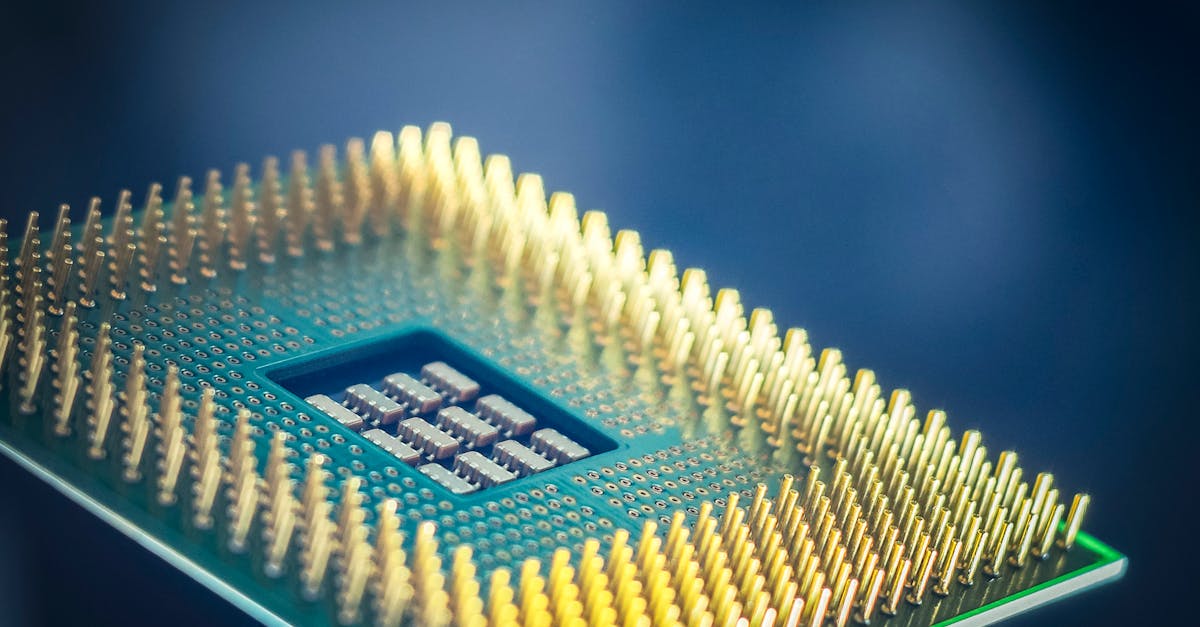
Photo by Jimmy Chan on Pexels
Introduction
Groq is raising $650 million in internal funding as it pivots from hardware to focus more on AI inference. This move marks a significant shift for the chipmaker, which had previously focused on developing its own AI-focused hardware.
The company’s decision to focus on AI inference is a response to the growing demand for more efficient and effective AI processing. AI inference is the process of refining the way AI models respond to prompted requests, and it requires a different set of capabilities than traditional computing.
Background on Groq
Groq was founded with the goal of developing high-performance AI computing hardware. However, the company has faced significant competition in the market, particularly from established players like Nvidia. Despite this, Groq has managed to carve out a niche for itself with its innovative approach to AI computing.
The company’s hardware has been used in a variety of applications, including natural language processing and computer vision. However, as the market has evolved, Groq has recognized the need to adapt its focus to stay competitive. The shift to AI inference is a key part of this strategy.
The AI Inference Market
The market for AI inference is growing rapidly, driven by the increasing demand for more efficient and effective AI processing. Companies like Groq are well-positioned to take advantage of this trend, given their expertise in developing high-performance AI computing hardware.
However, the market is also highly competitive, with a number of established players vying for market share. Groq will need to differentiate itself in order to succeed, which is why the company is focusing on developing innovative AI inference solutions.
Industry Context
The shift to AI inference is part of a broader trend in the tech industry, as companies increasingly recognize the importance of efficient and effective AI processing. This trend is driven by the growing demand for AI-powered applications, including natural language processing, computer vision, and predictive analytics.
As the market continues to evolve, we can expect to see more companies following Groq’s lead and shifting their focus to AI inference. This will likely lead to increased innovation and competition in the market, which will ultimately benefit consumers.
What to Watch
As Groq moves forward with its new focus on AI inference, there are several key developments to watch. The company’s ability to execute on its strategy will be critical, as will its ability to differentiate itself in a crowded market. We can also expect to see more companies entering the AI inference market, which will increase competition and drive innovation.
The outcome of this trend is far from certain, but one thing is clear: the shift to AI inference is a key part of the future of AI computing. As companies like Groq continue to innovate and adapt, we can expect to see significant advancements in the field.
Technical Mechanics
The technical mechanics of AI inference are complex and multifaceted. At its core, AI inference involves the use of machine learning algorithms to refine the way AI models respond to prompted requests. This requires a deep understanding of the underlying algorithms and architectures, as well as the ability to optimize them for performance.
Companies like Groq are working to develop innovative AI inference solutions that can take advantage of the latest advances in machine learning and computing hardware. This includes the development of custom hardware accelerators, as well as software frameworks that can optimize AI inference workloads.
History of AI Inference
The history of AI inference is closely tied to the development of AI computing more broadly. In the early days of AI, researchers focused primarily on developing algorithms and models that could perform specific tasks, such as image recognition or natural language processing.
However, as the field evolved, researchers began to recognize the importance of efficient and effective AI processing. This led to the development of specialized hardware accelerators, such as graphics processing units (GPUs) and tensor processing units (TPUs).
Today, AI inference is a critical part of the AI computing landscape, with a wide range of applications and use cases. As the market continues to evolve, we can expect to see significant advancements in the field, driven by innovations in machine learning, computing hardware, and software frameworks.
Conclusion
Groq’s shift to AI inference is a significant development in the tech industry, marking a key trend in the evolution of AI computing. As the company moves forward with its new strategy, there are several key developments to watch, including its ability to execute and differentiate itself in a crowded market.
The outcome of this trend is far from certain, but one thing is clear: the shift to AI inference is a key part of the future of AI computing. As companies like Groq continue to innovate and adapt, we can expect to see significant advancements in the field, driving innovation and competition in the market.
What’s Next
As the AI inference market continues to evolve, there are several key developments to watch. One of the most significant will be the outcome of Groq’s shift to AI inference, which will have a major impact on the company’s future prospects.
We can also expect to see more companies entering the AI inference market, which will increase competition and drive innovation. This will likely lead to significant advancements in the field, including the development of new algorithms, architectures, and hardware accelerators.
Ultimately, the future of AI inference will be shaped by a complex interplay of technological, market, and regulatory factors. As the market continues to evolve, we can expect to see significant developments and advancements, driving innovation and competition in the field.
Related Articles

Laya runs offline on M4, ChatGPT tracks ads
New offline inference benchmarks, cross‑site data collection, and rescue services raise fresh questions for AI developers.

OpenAI halves GPT‑5.6 Sol price as Moonshot AI rolls out cheaper
OpenAI cuts GPT‑5.6 Sol fees by 50% while Moonshot AI launches Kimi K2.5 and K3, models that beat GPT‑5 on reasoning and bring trillion‑parameter open‑source to the market.

Googlebook challenges Apple’s retail play as Mac Studio prices
Google’s $899 AI‑native laptop and Apple’s store‑first philosophy clash amid rising component costs and AI‑driven hardware bets.