

Rivian Under Scrutiny


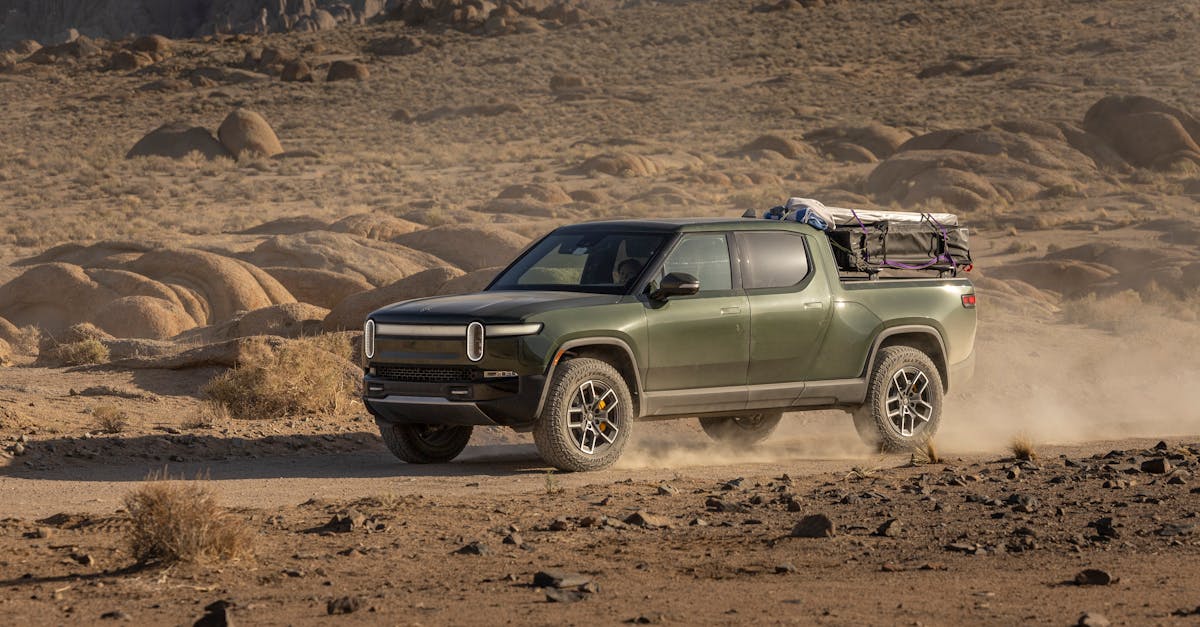
Photo by Stephen Leonardi on Pexels
Rivian’s Rear Suspension Failures Under Investigation
Rivian is under investigation over rear suspension failures on its R1 models. At least two owners have lost control of their vehicles after a critical suspension component broke. In both cases, the vehicles had been previously serviced, which raises questions about the effectiveness of the service and maintenance procedures.
The investigation highlights the importance of safety in electric vehicles. The National Highway Traffic Safety Administration (NHTSA) is looking into the matter, and Rivian is cooperating fully. The company has a reputation for building high-quality vehicles, but this incident has raised concerns about the robustness of its manufacturing process.
The Broader Electric Vehicle Market
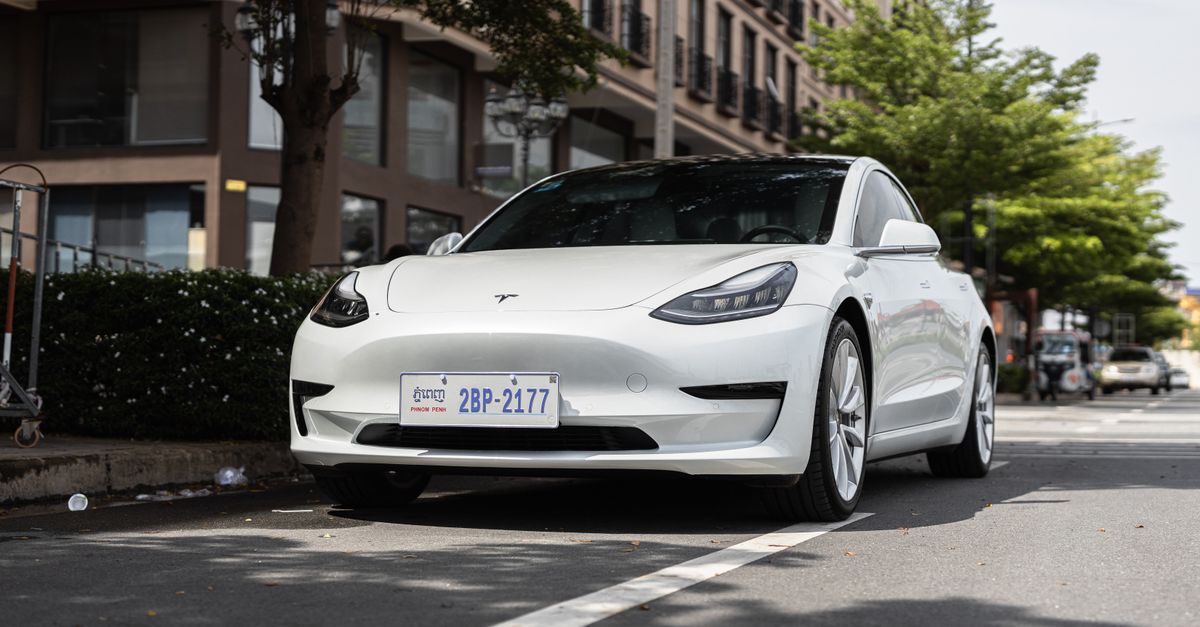
The electric vehicle market is rapidly evolving, with new technologies and partnerships emerging. Rivian’s competitors, such as Tesla and Lucid Motors, are also investing heavily in autonomous features and expanding their charging networks. The market size for electric vehicles is expected to grow significantly in the next decade, with many countries implementing policies to encourage the adoption of EVs.
The growth of the electric vehicle market has led to increased competition among manufacturers. Companies like Rivian, Tesla, and Lucid Motors are vying for market share, and the competition is driving innovation. The development of new technologies, such as autonomous features and advanced battery systems, is critical to the success of electric vehicle manufacturers.
Technical Details of the Issue
The rear suspension failure is a critical issue that requires immediate attention. Rivian’s R1 models are equipped with a complex suspension system that is designed to provide a smooth ride and stable handling. However, the failure of a critical component has raised questions about the design and testing of the system.
According to Rivian’s chief software officer, Wassym Bensaid, the company’s focus on AI and autonomous features is a key differentiator in the market. However, the rear suspension failure has highlighted the importance of robust testing and validation procedures.
Expansion of Charging Network
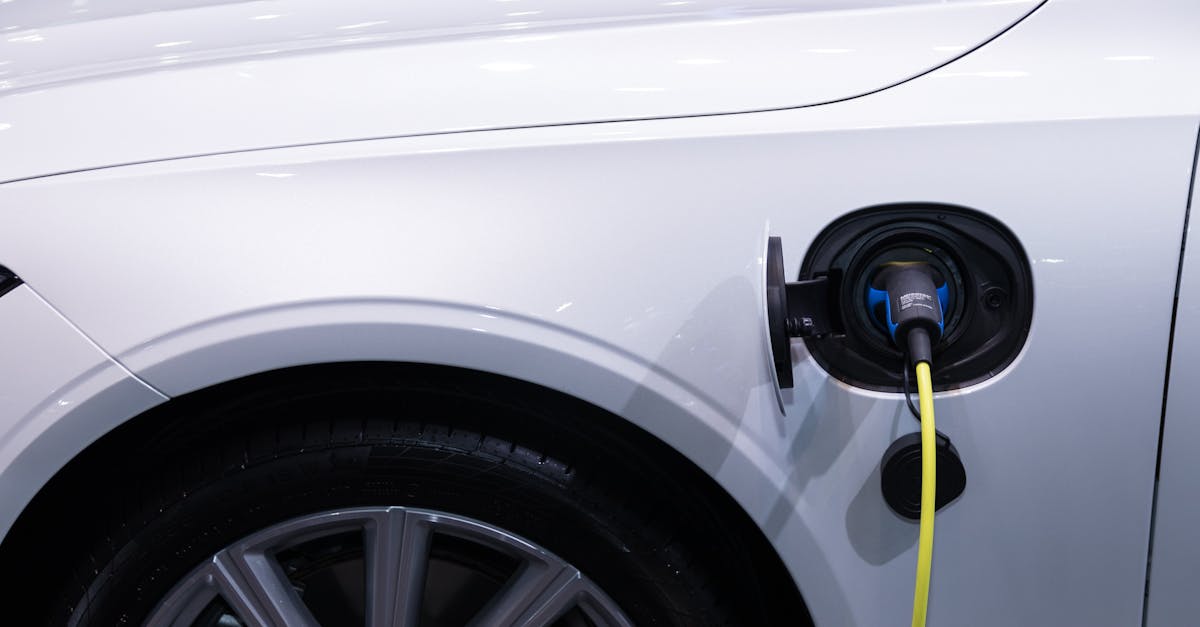
Despite these challenges, Rivian is expanding its charging network to other electric vehicles. The company has opened its first charging outpost near Joshua Tree National Park, which is open to all compatible EVs. This move is part of Rivian’s strategy to build a comprehensive charging network that supports the growing demand for electric vehicles.
The expansion of Rivian’s charging network is a critical step in the company’s growth strategy. The company is investing heavily in the development of its charging infrastructure, and the move is expected to drive growth and adoption.
Autonomous Features and Partnerships
Rivian has also announced plans to add lidar to its R2 model in 2026, which will enhance its autonomous features. The company has partnered with Mercedes-Benz to build electric vans together, with a new facility in Europe planned. This partnership will help both companies establish a stronger presence in the electric van market.
The partnership with Mercedes-Benz is subject to regulatory approval. If approved, it will help both companies establish a stronger presence in the electric van market. Rivian is also working with regulators to address the rear suspension failure issue and ensure that its vehicles meet the highest safety standards.
History of Electric Vehicle Recalls
This is not the first time an electric vehicle manufacturer has faced issues with safety recalls. In the past, companies like Tesla and General Motors have faced similar challenges, highlighting the importance of robust testing and validation procedures.
The history of electric vehicle recalls serves as a reminder of the importance of safety and reliability. Companies like Rivian must prioritize safety and invest in robust testing and validation procedures to ensure the quality of their vehicles.
Downstream Implications
The outcome of the investigation into the rear suspension failures and the development of new autonomous features will be crucial for Rivian’s future. The company’s ability to balance production and expand its charging network will also be important to watch. If Rivian can successfully address these challenges, it will be well-positioned to capitalize on the growing demand for electric vehicles.
The downstream implications of Rivian’s actions will be significant. The company’s ability to execute on its plans will be critical to its long-term success. Investors and customers will be closely watching Rivian’s progress, and the company’s ability to deliver on its promises will be essential to its future.
What to Watch
The next few months will be critical for Rivian as it navigates these challenges. The company’s investors and customers will be closely watching its progress, and the company’s ability to execute on its plans will be crucial to its long-term success.
Industry Context and History
The electric vehicle market has a long history of innovation and disruption. From the early days of electric vehicle development to the current era of mass production, the industry has evolved significantly. Rivian’s decision to add lidar to its R2 model reflects the company’s commitment to safety and innovation.
The development of the electric vehicle market has been shaped by a range of factors, including technological advancements, changing consumer preferences, and government policies. The market is expected to continue to evolve in the coming years, with new technologies and innovations emerging.
Technical Mechanics
Rivian’s autonomous features are built on a complex system of sensors, software, and hardware. The company’s lidar system will provide a critical component of this system, enabling the vehicle to detect and respond to its surroundings. The development of this system requires significant expertise in areas like computer vision and machine learning.
The technical mechanics of Rivian’s autonomous features are complex and sophisticated. The company’s focus on AI and machine learning reflects its commitment to innovation and safety.
Regulatory Environment
The regulatory environment for electric vehicles is evolving rapidly. Governments around the world are implementing policies to encourage the adoption of EVs, and companies like Rivian must navigate this complex regulatory landscape.
The regulatory environment will play a critical role in shaping the future of the electric vehicle market. Companies like Rivian must work closely with regulators to ensure that their vehicles meet the highest safety standards.
Conclusion and Future Developments
Rivian faces significant challenges, but the company is taking steps to address them. The expansion of its charging network and the development of new autonomous features are positive signs for the company’s future. As the electric vehicle market continues to evolve, Rivian will need to stay focused on innovation and execution to remain competitive.
The future of the electric vehicle market is uncertain, but one thing is clear: companies like Rivian must prioritize safety, innovation, and execution to succeed. The company’s ability to navigate the challenges ahead will be critical to its long-term success.
Updates
- 2026-09-04 — How to edit Claude’s memory (source)
Related Articles
Tech Roundup: Last.fm Goes Solo, Rivian Rolls Out AI Assistant
Last.fm becomes independent, Rivian launches AI voice assistant, and Amazon expands delivery options.