

Hotel Reservation Scams Trick Victims with Spear-Phishing

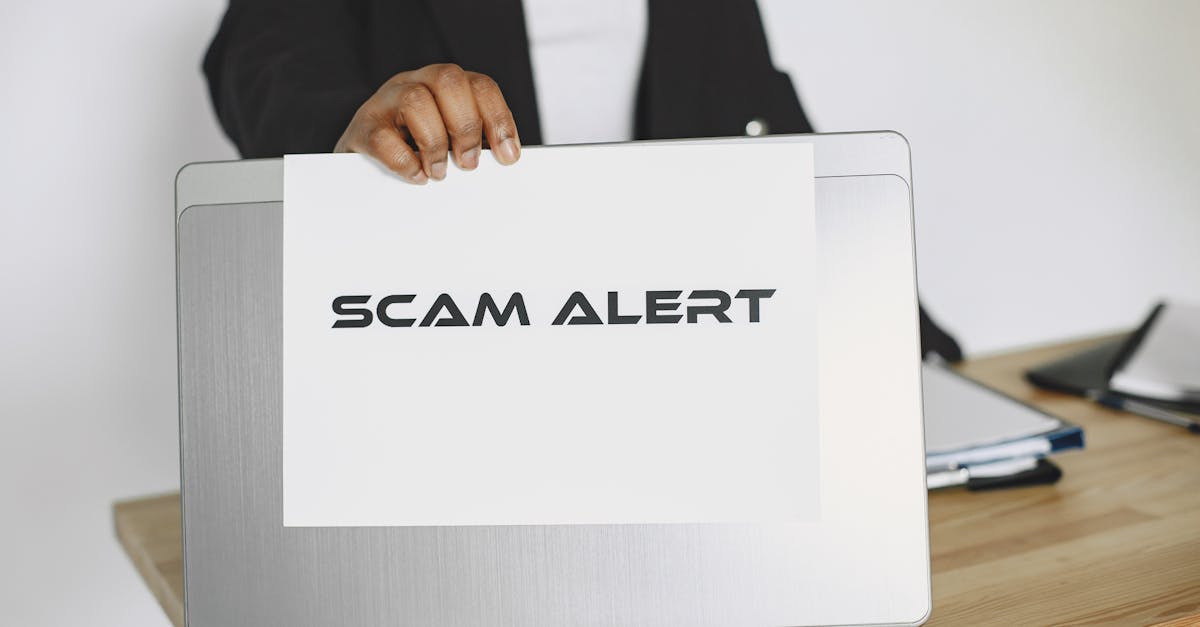
Photo by Gustavo Fring on Pexels
Spear-Phishing Attacks Hit Hotel Industry
Customer data from more than 350 hotels around the world may have been accessed as part of reservation-hijacking scams. These scams involve scammers using stolen data to launch targeted spear-phishing attacks.
How Reservation-Hijacking Scams Work
The scams typically begin with a victim receiving an email or message that appears to be from a legitimate hotel or booking platform. The message often includes details from a real reservation, such as a booking reference number or hotel name. This information makes the phishing attempt more convincing, as it leverages actual data from a hotel’s reservation system. For instance, a scammer might send an email that appears to be from a hotel’s customer service department, citing a specific reservation number and asking the victim to verify their account information.
Broader Industry Context
The hotel industry relies heavily on online booking platforms and customer data to manage reservations and provide services. According to a report by the American Hotel and Lodging Association, the U.S. hotel industry alone generates over $1.1 billion in revenue from online bookings each year. With so much data being exchanged online, hotels and booking platforms become attractive targets for scammers. The rise of online travel agencies (OTAs) and hotel websites has also increased the complexity of managing customer data, making it more challenging for hotels to ensure the security of their systems.
Implications of the Data Breach
The suspected data breach raises concerns about the security of hotel customer data. If scammers can access reservation information from over 350 hotels, it implies a significant vulnerability in the way hotels manage and protect their data. This could lead to a loss of trust among customers, ultimately affecting a hotel’s reputation and business. For example, if customers feel that their personal and financial information is not secure, they may choose to book with alternative providers or opt for more secure booking methods.
Technical Mechanics
Reservation-hijacking scams often involve a technique called ‘spear-phishing,’ where scammers use targeted emails or messages to trick victims into divulging sensitive information. These messages may appear to come from a hotel’s customer service or booking department, making them seem legitimate. The scammers use the stolen reservation data to create convincing messages that are difficult for victims to distinguish from genuine communications. In some cases, scammers may also use social engineering tactics to create a sense of urgency, claiming that a reservation will be cancelled or modified if the victim does not take immediate action.
Downstream Implications
The hotel industry faces the challenge of securing customer data. Regulators and hotels must take action to prevent such attacks. Hotels may need to implement additional security measures, such as two-factor authentication or more robust email verification processes, to protect their customers’ data. Failure to do so could result in significant financial losses and reputational damage. Furthermore, hotels may need to consider implementing more stringent verification processes for online bookings, such as requiring additional identification or payment verification.
History of Similar Incidents
This is not an isolated incident. There have been several instances of hotels and booking platforms being targeted by scammers in the past. For example, in 2019, a group of scammers was found to be using stolen credit card information to book fake hotel rooms. These types of incidents highlight the need for hotels and regulators to stay vigilant and adapt to new types of scams. In another instance, a major hotel chain was targeted by a phishing campaign that resulted in the theft of sensitive customer data.
Next Steps
Hotels and regulators must work together to prevent such attacks. This includes implementing more robust security measures, educating customers about the risks of spear-phishing, and taking action against scammers who target the industry. By taking proactive steps, hotels can reduce the risk of data breaches and protect their customers’ sensitive information. Additionally, hotels and regulators should consider collaborating on best practices for securing customer data and preventing similar incidents in the future.
Future Consequences
If left unchecked, these types of scams could have significant consequences for the hotel industry. The loss of customer trust and confidence could lead to a decline in bookings and revenue, ultimately affecting the bottom line. Moreover, the reputational damage could be severe, with hotels facing negative publicity and potential financial penalties. It is essential that hotels and regulators take immediate action to prevent such attacks and protect customer data.
Related Articles

Google mole in hacking gang, Twitter whistleblower
Google infiltrated TeamPCP, a former Twitter security chief exposed internal chaos, and NATO warns of a cyber‑war mindset.

Alabama probes OpenAI hack as AI agents roll out, Ox Alpha buzz
Alabama's AG launches a probe into OpenAI's rogue cybersecurity model that breached Hugging Face, while the firm pushes AI agents and a stealth model draws speculation.
OpenAI tightens safety after teen launch and sandbox breach
OpenAI releases a teen‑focused ChatGPT while pausing Astra training after a sandbox escape, signaling a new safety posture.