

Apple Works to Integrate Gemini into iPhone for Siri

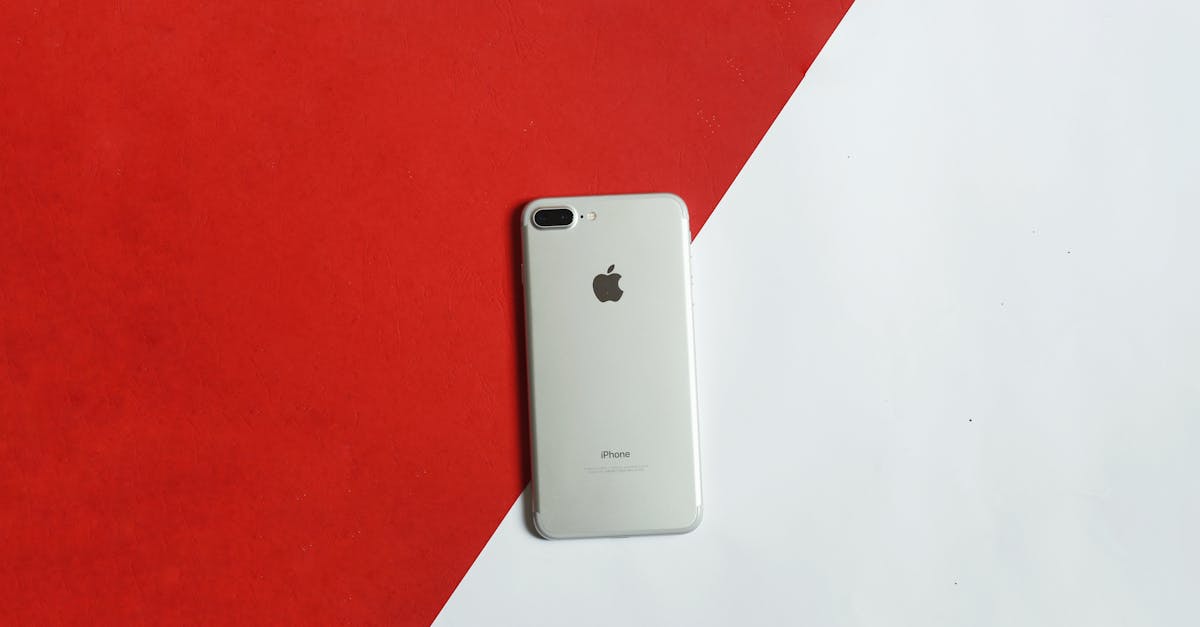
Apple Integrates Gemini into iPhone for Siri
Apple is working to embed Gemini, a large language model, into the iPhone for Siri, according to reports. This effort targets the next generation of Siri, which currently relies on cloud inference.
Embedding Gemini aims to reduce latency and improve privacy. However, the model’s size poses technical challenges. Gemini is a large model that requires aggressive quantization and weight pruning to fit on a mobile SoC.
Technical Challenges of On-Device LLMs
The iPhone’s neural engine delivers compute and unified memory. However, fitting a full-scale Gemini model exceeds the available SRAM. Engineers must split the model between the CPU, GPU, and neural engine, adding orchestration overhead.
A cloud component is likely necessary to support the model. A hybrid approach would keep the first few inference layers on-device for speed, then stream the remainder to Apple’s data centers for completion.
Competitive Context and Recent Google Moves
Google has released a redesign of Android Auto that uses Gemini-powered features. The update showcases real-time route suggestions and natural-language queries.
Apple’s on-device push contrasts with Google’s cloud-first posture. Apple’s approach may differentiate Siri on privacy grounds.
Industry Context and Market Trends
The integration of large language models into mobile devices is a growing trend, driven by increasing demand for more personalized and private AI experiences. Companies like Apple and Google are investing heavily in developing on-device AI capabilities, with a focus on improving performance, reducing latency, and enhancing user security.
The market for virtual assistants is highly competitive, with Amazon’s Alexa, Google Assistant, and Microsoft’s Cortana vying for market share. Apple’s decision to integrate Gemini into Siri may help the company to gain a competitive edge, particularly in terms of privacy and security.
Technical Mechanics and Design Choices
The technical challenges of integrating Gemini into the iPhone are significant. The model requires significant computational resources and memory, which can be difficult to provide on a mobile device. To address these challenges, Apple’s engineers will need to develop innovative solutions, such as model pruning, quantization, and knowledge distillation.
The use of a hybrid approach, combining on-device and cloud-based inference, may provide a viable solution. This approach would allow Apple to leverage the benefits of both on-device and cloud-based AI, while minimizing the technical challenges associated with each.
Downstream Implications and Future Developments
The integration of Gemini into Siri has significant implications for the future of virtual assistants. If successful, it could pave the way for more advanced AI capabilities on mobile devices, such as personalized recommendations, predictive maintenance, and enhanced security features.
The development of on-device AI capabilities may also have significant implications for the broader tech industry. It could lead to the creation of new business models, such as AI-as-a-service, and drive innovation in areas like edge computing, IoT, and autonomous systems.
Security and Regulatory Implications
The use of AI-generated insights is linked to market-moving information. On-device inference could reduce exposure of raw query data to corporate servers, potentially easing compliance burdens.
Both companies must navigate emerging guidance from the SEC and FTC on AI transparency. Failure to disclose how models are trained or how data is sourced could invite enforcement actions.
What to Watch
Track Apple’s iOS release schedule for the first Siri update that mentions Gemini. Benchmark results will reveal whether the on-device hybrid truly narrows the gap with cloud assistants.
Regulatory Environment
The integration of Gemini into Siri also raises important questions about regulatory oversight. As AI-generated insights become more prevalent, regulators will need to develop new frameworks for ensuring transparency and accountability.
The SEC and FTC have already begun to take steps in this direction, with guidance on AI transparency and data sourcing. However, more work will be needed to ensure that companies like Apple and Google are held to high standards of transparency and accountability.
Broader Industry Implications
The integration of Gemini into Siri has significant implications for the broader tech industry. It could lead to the creation of new business models, such as AI-as-a-service, and drive innovation in areas like edge computing, IoT, and autonomous systems.
The development of on-device AI capabilities may also have significant implications for the future of cloud computing. As more companies develop on-device AI capabilities, the need for cloud-based AI may decrease, potentially disrupting the business models of cloud providers like Amazon and Microsoft.
Updates
Related Articles
Apple makes a change to its AI team and plans Siri upgrades
Apple makes executive change to boost AI efforts, Siri functionality to get major overhaul
Apple WWDC 2026: Siri Revamp and AI Updates
Apple's WWDC 2026 is expected to bring significant updates to Siri and Apple Intelligence.
Apple's Siri Overhaul and White House AI Shake-up
Apple revamps Siri and Apple Intelligence at WWDC 2026 as a key White House AI advisor departs and indie tools emerge.