

Volvo Bypasses US Car Ban as Trump Funding Stalls Drone Ports

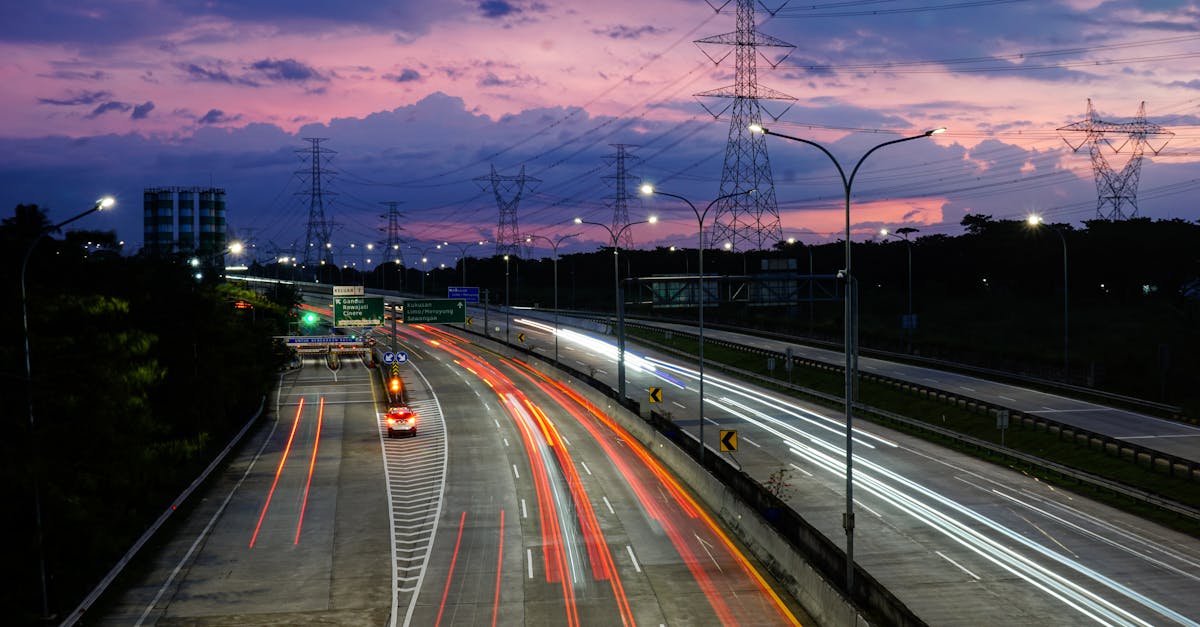
Volvo just cleared a federal hurdle that lets it sell Chinese‑built connected cars in the United States despite a ban slated for 2027. The waiver flips a policy that began under Biden and was cemented by Trump, opening a narrow path for a segment of the auto market.
The U.S. government announced the approval on Tuesday, noting that the ban for model‑year 2027 onward was originally a Biden initiative but was later enacted by the Trump administration. Volvo’s request cited safety testing already completed in Europe and a need to keep supply chains intact. Officials said the exemption applies only to vehicles that meet the same cybersecurity standards as domestic models.
A separate showdown is playing out in Washington over a proposed network of drone ports that would serve freight and passenger traffic. A Trump aide was quoted saying, “Republicans are just going to have to suck it up and get it done,” as lawmakers debate a multi‑billion‑dollar funding package. The aide warned that votes may simply not materialize, leaving the project in limbo.
The drone‑port plan, first floated in early 2024, envisions a chain of vertical take‑off sites across major corridors. Proponents argue the infrastructure could decongest highways and cut shipping times. Critics point to the lack of a clear revenue model and the risk of federal money disappearing amid partisan gridlock.
Funding Friction in the Trump Era
The funding melee reflects a broader pattern of partisan tussles over transportation innovation. Since taking office, Trump’s team has pushed through the connected‑car ban while simultaneously courting industry groups for large‑scale projects like drone ports. The juxtaposition of a strict import restriction and a willingness to pour money into domestic tech creates a paradox.
Republican leaders have framed the drone‑port budget as a job‑creation engine for the Rust Belt. Yet the same leaders have resisted earmarking funds for electric‑vehicle (EV) charging networks, arguing that market forces will fill the gap. The inconsistency fuels skepticism among investors who see policy as a moving target.
Volvo’s Regulatory Workaround
Volvo’s exemption hinges on a technical argument rather than a political one. The company demonstrated that its Chinese‑built models already embed the U.S. Department of Transportation’s cybersecurity protocols. By satisfying those standards, Volvo sidestepped the blanket ban that would otherwise block any connected‑car imports after 2027.
The decision does not overturn the ban; it merely carves out a narrow case. Analysts warn that other automakers may seek similar waivers, potentially eroding the ban’s deterrent effect. If the exemption becomes a template, the original intent of protecting domestic supply chains could be diluted.
Transportation as a Service Gains Momentum
While policymakers wrestle over ports and bans, a different narrative is gaining traction among investors. Tony Seba, a clean‑energy strategist, has been promoting “Transportation as a Service” (TaaS), a model where electric, self‑driving vehicles replace private ownership. In a recent interview, Seba predicted that by 2030 roughly 95% of the U.S. population will be served by electric, autonomous fleets.
Seba’s thesis rests on two trends: falling oil prices and accelerating EV adoption. He points to the rapid rollout of Tesla’s Gigafactories as evidence that the industry can scale without resorting to stock buybacks, which he criticizes as harmful to the broader economy. By contrast, he singled out GM for spending $17 billion on buybacks instead of accelerating its electric transition.
The TaaS vision dovetails with the drone‑port concept. Both rely on high‑frequency, low‑cost mobility that leverages renewable energy. However, they also expose a regulatory gap: current traffic laws and safety standards were written for human drivers, not autonomous fleets or unmanned aerial vehicles.
Industry Friction: Legacy OEMs vs. New Entrants
Legacy automakers face an “innovator’s dilemma” that Seba likens to Kodak’s failure to pivot to digital photography. The internal combustion engine (ICE) platform still generates massive cash flow, making it hard for incumbents to abandon. By contrast, startups and firms like Tesla build on a simpler architecture—roughly twenty moving parts plus a battery versus the thousands in an ICE.
The friction is evident in boardroom debates. GM’s recent $17 billion buyback program sparked criticism from investors who see the move as a diversion from electrification. Tesla, which avoids buybacks, continues to expand its manufacturing footprint globally, reinforcing its position as a benchmark for fully electric, automated vehicles.
Both sides argue over the pace of change. Traditional OEMs claim that infrastructure, consumer habits, and regulatory approvals require a gradual shift. New entrants counter that the cost curve for batteries and autonomous software is collapsing, making a rapid transition financially viable.
What to Watch
Watch the Senate’s upcoming vote on the drone‑port funding bill; a defeat could stall the entire vertical‑take‑off ecosystem. Track any further exemptions to the connected‑car ban, as each one signals how flexible the policy truly is. Finally, monitor quarterly reports from GM and Tesla for clues on how aggressively legacy players are reallocating capital toward EVs and autonomous tech. The next data point will reveal whether the industry leans toward incremental upgrades or a full‑scale TaaS overhaul.
Related Articles
FAA commits $875 M to AI traffic manager, eyes nationwide rollout
The FAA plans to deploy an AI system to ease DC airspace congestion, sparking debate over safety, oversight, and military precedent.

Anthropic Plans to Pace AI Frontier as US Labs Push Open‑Weight
Anthropic's CEO outlines a pacing strategy while Garry Tan urges US labs to distill frontier models, sparking pushback from mathematicians worried about AI's reach.

CFTC probes Polymarket trades as fintech regulators tighten grip
The CFTC opened three investigations into Polymarket speculation, amid broader regulatory scrutiny of prediction markets, cloud services, and payment platforms.