

TCL Tablet, Google Pixel

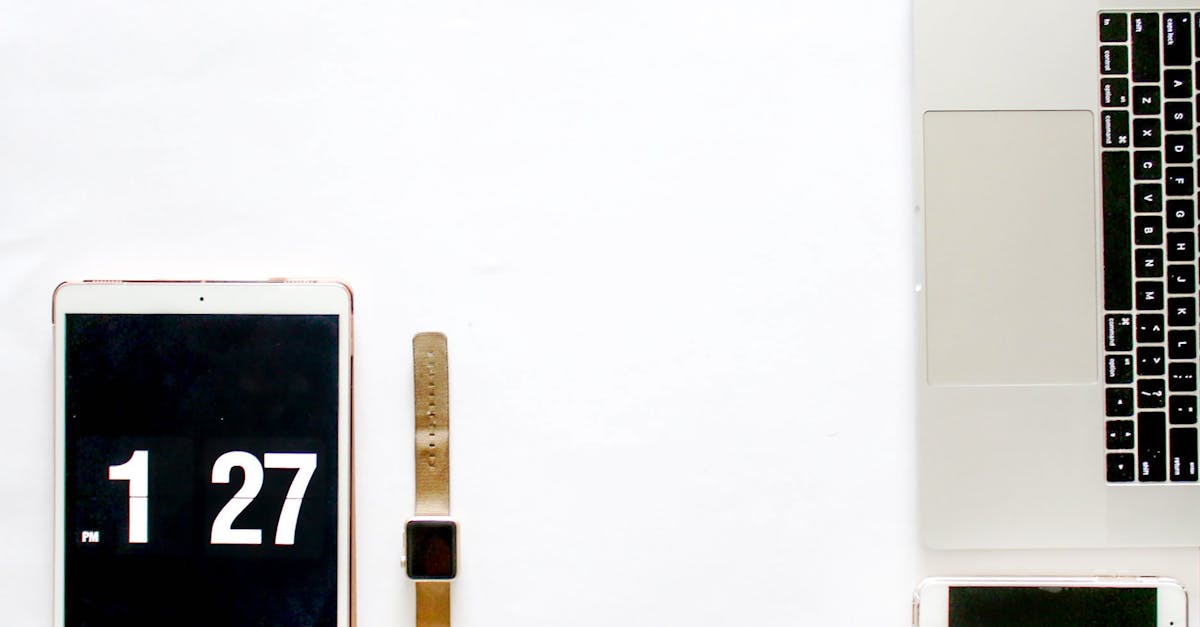
Photo by Element5 Digital on Pexels
TCL’s NXTPAPER tablets finally hit a price that makes sense
The $160 Amazon price tag on TCL’s NXTPAPER 11 Gen 2 tablet feels like a rare moment of sanity in a market that usually inflates premium screens. After weeks of hovering above $200, the 30 % markdown drops the device into the reach of hobbyists who have been eyeing its low‑glare e‑ink‑styled display without breaking the bank.
The deal arrives alongside the 60 XE NXTPAPER 5G phone, now listed for $180 on Amazon—another all‑time low. Both products ship with Android and promise the same reflective screen technology that TCL markets as “NXTPAPER,” a hybrid that aims to blend tablet productivity with e‑ink readability. The pricing makes the hardware viable for students, remote workers, and anyone tired of staring at a glossy LCD for hours. Still, the devices lack the ecosystem polish of established brands, and firmware updates have been sporadic. The discount is generous, but buyers should temper expectations about long‑term software support.
From a market perspective, TCL’s aggressive pricing signals a willingness to sacrifice margin for volume. The company has been positioning NXTPAPER as a niche alternative to traditional tablets, but the $160 price point forces larger players to reconsider how they price comparable devices. If the sales spike, TCL could justify a faster cadence of hardware refreshes, potentially raising the bar for low‑cost, eye‑friendly screens.
Google’s Pixel Watch and Pixel 10 Pro XL discounts shake the premium market
A $133 cut on the Pixel Watch 4 and nearly $500 off the 256 GB Pixel 10 Pro XL put Google’s flagship wearables and phones squarely in the bargain bin. The watch discount brings the device well below its typical $399 launch price, while the phone’s $500 markdown reduces a $1,099‑plus price tag to roughly $600.
For Android power users, the numbers matter more than the hype. The Pixel Watch 4 now costs less than many mid‑range smartwatches, yet it still offers Google’s latest Wear OS features, integrated Fitbit health tracking, and a sleek design that rivals Apple’s offering. The Pixel 10 Pro XL, with its 256 GB storage, remains a top‑tier camera phone, but the price cut forces a reassessment of its value proposition against Samsung’s S‑series and OnePlus’s flagship lines.
Google’s discount strategy appears aimed at clearing inventory ahead of the next hardware cycle, but it also serves a defensive purpose. By slashing prices, Google can attract developers and consumers who might otherwise gravitate toward cheaper Android alternatives. The move could also pressure carriers to offer better subsidies, reshaping the pricing dynamics that have dominated the premium smartphone market for years.
Amazon Spring Sale’s final day highlights the power of price‑history tracking
The Amazon Spring Sale wrapped up on March 31, 2026, marking the third year of a seasonal discount marathon that rivals Prime Day in scope. WIRED’s Reviews team spent the day cross‑checking price histories for thousands of items, confirming that many deals—like the Sony WH‑1000XM6 headphones—were genuine cuts from MSRP rather than inflated baselines.
WIRED’s methodology involved removing expired discounts, adding fresh ones, and verifying each claim against historical pricing data. The team warned that the sale still buried “junk deals” among the gems, a pattern familiar from past Black Friday and Cyber Monday events. Their coverage highlighted that while headline‑grabbing discounts attract clicks, the real savings often hide in categories like smart home hubs, portable speakers, and niche accessories.
The Spring Sale’s timing—right after the tax‑season rush—creates a sweet spot for consumers who have discretionary cash and are looking to upgrade devices before the summer. Retailers, aware of the heightened price‑sensitivity, are more willing to push deeper markdowns on older inventory, which in turn forces manufacturers to accelerate product cycles or risk being left on the shelf.
What this wave of discounts means for shoppers and the broader ecosystem
When a tablet drops to $160, a watch to $133 off, and a flagship phone to $600, the ripple effect reaches beyond the immediate buyers. Discount‑driven purchasing can inflate demand for older stock, prompting manufacturers to clear out components and free up supply chain capacity for next‑gen products. For consumers, the psychological barrier of a high price disappears, leading to a surge in trial usage that can convert casual buyers into brand advocates.
However, the bargain hunt also introduces volatility. Retailers may raise prices shortly after a sale, and manufacturers might delay software updates for devices sold at a steep loss. The weekly‑deal culture, as described by gazetaexpress.com, reinforces the notion that “quality at a great price” is fleeting—if you miss the window, you’re back to paying full price. This dynamic pressures brands to maintain a steady flow of promotions, which can erode perceived value over time.
The current landscape suggests that savvy shoppers will need to combine real‑time alerts with price‑history tools to separate genuine value from inflated discounts. As Amazon continues to dominate the seasonal sale calendar, competitors will likely emulate its deep‑discount model, pushing the entire tech market toward a more price‑transparent future.
What to watch next
Keep an eye on Google’s next hardware announcement slated for the fall; any new Pixel releases could further depress existing inventory prices. Monitor TCL’s quarterly earnings for signs that the NXTPAPER discount translated into volume growth or forced a price correction. Finally, track Amazon’s Spring Sale metrics—especially the percentage of deals that remain after the final day—to gauge whether price‑history verification becomes a standard part of the consumer decision‑making process.
Updates
Related Articles

Amazon AI images, Google water pledge, Chrome mute update
Amazon adds AI‑generated product images to search, Google vows to replenish more water than its data centers use, and Chrome 64 lets users mute autoplay videos.

Googlebook challenges Apple’s retail play as Mac Studio prices
Google’s $899 AI‑native laptop and Apple’s store‑first philosophy clash amid rising component costs and AI‑driven hardware bets.

Google mole in hacking gang, Twitter whistleblower
Google infiltrated TeamPCP, a former Twitter security chief exposed internal chaos, and NATO warns of a cyber‑war mindset.