

Apple's Digital ID in Wallet App Expands to Age Verification


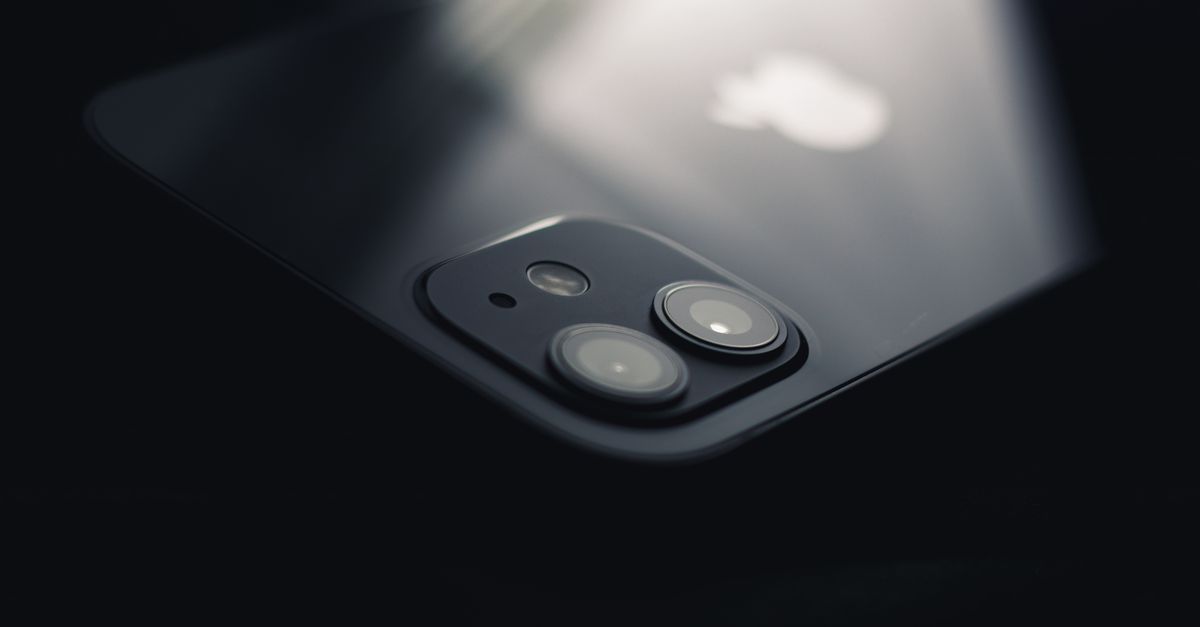
Photo by www.kaboompics.com on Pexels
Apple’s Digital ID Expansion
Apple’s Wallet app has introduced a new feature that allows users to utilize their Digital ID as an age verification method in several cases on iPhone. This development comes after the launch of the Digital ID feature in the Wallet app last fall.
The Digital ID feature is designed to provide users with a secure and convenient way to store their identification documents, such as driver’s licenses and state IDs, on their iPhone. With this update, users can now use their Digital ID to verify their age in various situations, making it easier to access age-restricted content or services.
The use of Digital ID for age verification is a significant step forward in the adoption of digital identity verification. According to a report by 9to5Mac, the feature uses advanced technology to ensure the authenticity and security of the user’s identification documents.
How it Works
When a user adds their ID to the Wallet app, it is encrypted and stored securely on their device. To use their Digital ID for age verification, users simply need to open the Wallet app and authenticate their identity using Face ID or Touch ID. The app then generates a unique, cryptographically secure token that can be used to verify the user’s age without revealing any sensitive information.
This process ensures that the user’s identity is protected and that only the necessary information is shared for age verification. The use of advanced cryptography and secure storage makes it difficult for hackers to access or manipulate the user’s identification documents.
Industry Context
The expansion of Apple’s Digital ID feature into age verification comes as the company continues to push the boundaries of mobile wallet technology. With the rise of digital payments and identity verification, Apple is positioning itself to play a major role in the development of secure and convenient authentication methods.
The mobile wallet market is expected to grow significantly in the coming years, with more users adopting digital wallets as a convenient and secure way to make transactions. According to a report by ResearchAndMarkets, the global mobile wallet market is expected to reach $7.3 trillion by 2027, growing at a CAGR of 28.4% from 2020 to 2027.
History of Digital ID
The concept of digital identity verification has been around for several years, with various companies and organizations exploring different approaches to secure and convenient authentication. Apple’s Digital ID feature is part of a larger trend towards digital identity verification, with other companies such as Google and Samsung also exploring similar technologies.
In 2020, the Identity Theft Resource Center (ITRC) reported that there were over 1.3 million identity theft complaints in the United States alone. The use of digital identity verification can help reduce the risk of identity theft and provide users with a more secure way to access age-restricted content or services.
Technical Mechanics
The technical mechanics behind Apple’s Digital ID feature are rooted in advanced cryptography and secure storage. When a user adds their ID to the Wallet app, it is encrypted and stored securely on their device. The app uses a combination of Face ID or Touch ID to authenticate the user’s identity and generate a unique token for age verification.
This token can be used to verify the user’s age without revealing any sensitive information. The use of advanced cryptography and secure storage makes it difficult for hackers to access or manipulate the user’s identification documents.
Regulatory Implications
The expansion of Apple’s Digital ID feature into age verification also raises regulatory implications. As digital IDs become more widespread, there will be a need for clear guidelines and regulations around their use.
Apple is likely to work closely with regulatory bodies to ensure that its Digital ID feature complies with relevant laws and regulations. This could include collaboration with government agencies and industry organizations to establish standards for digital identity verification.
Downstream Implications
The use of Digital ID for age verification has significant implications for various industries, including entertainment, finance, and healthcare. For example, users can use their Digital ID to verify their age when accessing age-restricted content or services, such as movies or video games.
The use of digital identity verification can also help reduce the risk of identity theft and provide users with a more secure way to access sensitive information. As digital IDs become more widespread, we can expect to see more innovative applications of this technology.
What’s Next
As Apple continues to develop and expand its Digital ID feature, we can expect to see more use cases emerge. One possibility is the integration of Digital ID with other Apple services, such as Apple Pay or Apple Health.
The company is likely to continue to develop and expand its Digital ID feature, exploring new use cases and applications. Users can expect to see more updates and innovations from Apple in the coming months and years.
Conclusion
In conclusion, Apple’s expansion of its Digital ID feature into age verification is a significant development in the world of mobile wallet technology. With its focus on security and user experience, Apple is well-positioned to play a major role in the development of secure and convenient authentication methods.
The use of digital identity verification has significant implications for various industries and can help reduce the risk of identity theft. As digital IDs become more widespread, we can expect to see more innovative applications of this technology.
Updates
Related Articles

Apple Wallet's Digital ID Expands to Age Verification
Apple Wallet's Digital ID feature now supports age verification on iPhone, expanding its use beyond identification.

Apple Seeks Up to 15% Commission on External iOS App Purchases
Apple proposes commission on external iOS app purchases
Apple's Next iPhone Pushes Cameras, Foldables
Rumors detail iPhone 18 Pro camera upgrades, an internal iPhone Ultra name for a foldable, and solid-state buttons on the iPhone 15 Pro, raising questions about user experience and market positioning.