

Sports, Streaming, and the New Era of Unregulated Competition

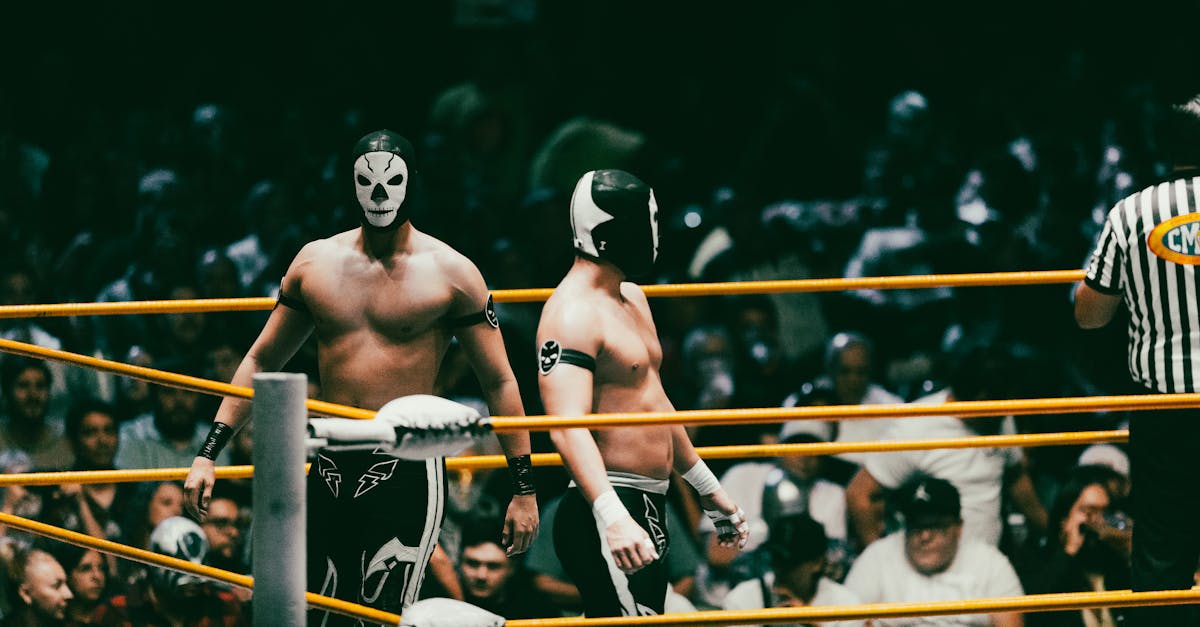
Photo by Amar Preciado on Pexels
A record in Las Vegas
A swimmer shattered a world record at the Enhanced Games on the Las Vegas Strip this week. The performance arrived under a cloud of performance‑enhancing drugs that most competitors refuse to name.
The event, billed as a showcase for “juiced” athletes, gathered dozens of participants who openly admit to using substances that would bar them from Olympic competition. No official drug list was published, and the athletes’ silence on specific compounds leaves regulators scrambling for answers. The record, set in a venue that resembles a circus arena more than a traditional pool, underscores a growing market for sport that flouts anti‑doping rules.
The UFC‑WWE convergence
Endeavor, the parent of UFC, announced a strategic alignment with WWE that goes beyond a simple partnership. The company’s press materials highlight a shared talent agency (WME), a global marketing arm (160over90), a licensing division (IMG Licensing), and a production powerhouse (Pantheon Media Group). Those entities already manage the world’s leading artists, content creators, and sports figures.
By folding UFC and WWE under the same agency and licensing umbrella, Endeavor can cross‑sell talent, negotiate joint sponsorships, and produce hybrid events that blend mixed‑martial‑arts spectacle with scripted wrestling drama. The move mirrors the 1996 Telecom Act’s deregulation, which opened the door for media conglomerates to bundle disparate content streams. Here, the bundling happens at the talent level, promising a new class of live experiences that blur the line between competition and entertainment.
Roku’s free channel goes live
Roku announced that its ad‑supported Roku Channel will now stream live sports and entertainment alongside its existing free movies and news. The expansion adds linear sports from Adventure Sports Network, COMBT GO, EDGEsport, Stadium, and Wham Network. Entertainment partners include TMZ, America’s Funniest Home Videos, FailArmy, People Are Awesome, and Pet Collective.
Earlier this year the channel already integrated live news from ABC News, Cheddar, Newsmax, Newsy, People TV, Yahoo, and The Young Turks. The new lineup does not require a subscription; users simply click a link and the stream starts. Roku’s Q3 earnings showed hardware sales beating Wall Street expectations, but platform revenue lagged, sending the stock lower. The company reported 23.8 million active users streaming 6.2 billion hours in the quarter, beating forecasts of 23.1 million users and 5.8 billion hours.
Industry implications and historical parallels
The three stories converge on a single theme: the erosion of traditional gatekeepers. In the 1973 oil shock, governments intervened to ration fuel, but today regulators struggle to police performance‑enhancing substances in sport. The Enhanced Games’ record‑breaking swim is a stark reminder that athletes will seek profit where rules are lax.
The UFC‑WWE alignment echoes the AT&T breakup of 1982, which forced a telecom monopoly to split but also spurred innovation in how services were packaged. By uniting two of the most lucrative live‑event brands, Endeavor creates a de‑facto monopoly over premium combat‑entertainment talent. The risk is a market where a single entity can dictate pricing, distribution, and even the narrative of what counts as “sport.”
Roku’s move mirrors the rise of ad‑supported streaming in the early 2010s, when platforms like Hulu introduced free tiers to attract viewers away from cable. Roku is now leveraging that model to host live sports that traditionally required pay‑walls. The strategy bets on scale: more viewers mean higher ad rates, which could eventually offset the loss of subscription revenue.
Together, these developments pressure advertisers, regulators, and investors. Brands that once measured ROI by TV ratings now must decide whether to place ads beside a juiced swimmer’s record or a scripted wrestling match. Regulators must choose between tightening anti‑doping enforcement or accepting a parallel market that operates outside the Olympic system. Investors must weigh the upside of a unified combat‑entertainment pipeline against the reputational risk of backing a sport that openly flouts doping rules.
What to watch
The next quarter will reveal whether Roku’s ad‑supported sports model can sustain growth without a subscription cushion. Track ad‑revenue reports and any shifts in CPM rates for live‑event streams. In the combat‑entertainment arena, watch for a formal merger filing between UFC and WWE, and for any antitrust scrutiny from the FTC. Finally, monitor the International Olympic Committee’s response to the Enhanced Games; a policy shift or new testing protocol could reshape the economics of performance‑enhanced sport. The decisions made in these three arenas will determine whether the industry coalesces around a new, less‑regulated paradigm or reasserts traditional boundaries.
Updates
Related Articles

Golden Axe trailer shows how nostalgia fuels AI‑driven media bets
A new Golden Axe trailer, booming mobile app deals, and a live casino game illustrate how classic IP and AI are reshaping entertainment investment.

Peacock Partners with YouTube for Content Integration
Peacock integrates content into YouTube

Cloned Polo Horses Dominate the Field
Horse replicas have taken over polo, changing the sport with cloning technology.