

Reverse engineering resurfaces in hardware, silicon and AI

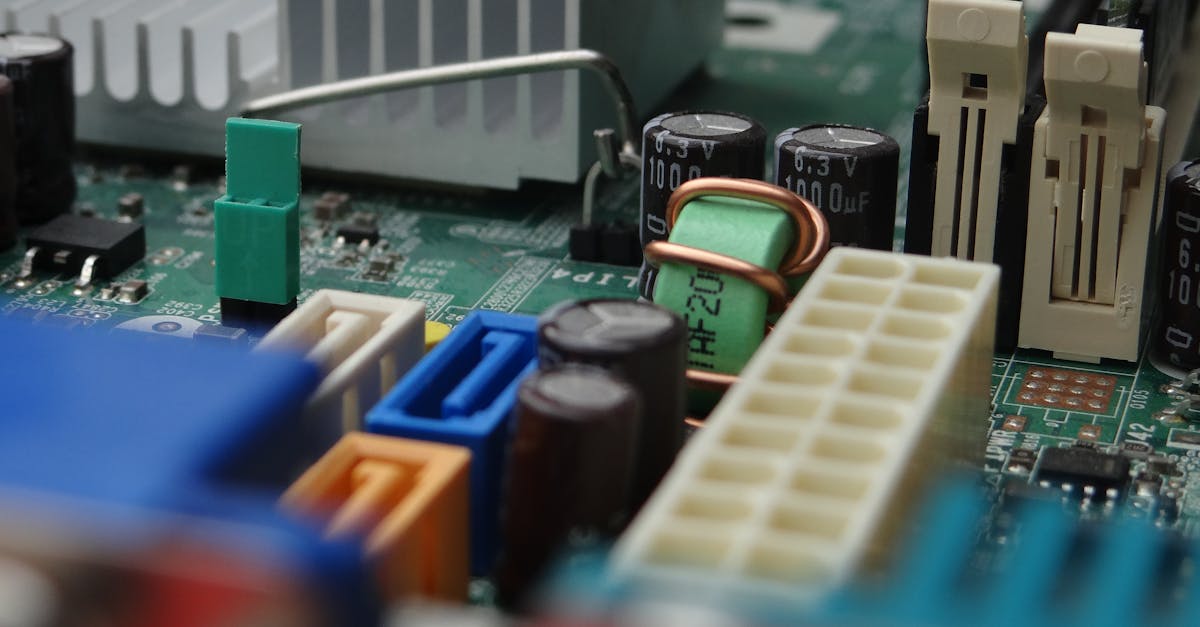
Photo by Djenz Van Eysendeyk on Pexels
Vintage circuitry gets a modern teardown
A hobbyist posted a step‑by‑step analysis of the circuitry inside a 1980 Spacelab computer. The write‑up shows the board layout, component values and the logic paths that drove the original mission‑control hardware. The author traced each trace with a handheld scope, photographed the board under magnification and annotated the schematic with modern symbols.
The effort proves that a three‑decade‑old design can still be understood without original documentation. The Spacelab board predates widespread CAD tools, so the reverse‑engineer had to rely on visual inspection and educated guesses about the logic families used. The post includes a complete netlist that other enthusiasts can feed into a simulation environment.
What the teardown highlights is a trade‑off between historical preservation and practical reuse. The board’s components are no longer stocked, but the schematic now enables emulation or recreation on modern FPGAs. The community can preserve the hardware’s behavior even as the physical parts decay.
Open‑source 80386 built around original microcode
A separate project released an open‑source implementation of Intel’s 80386 CPU, dubbed z386. The developers extracted the original microcode from a legacy chip and wrapped it in a hardware description that can be synthesized on an FPGA. The result is a functional 32‑bit processor that runs classic operating systems without modification.
The team published the full HDL source, the extracted microcode ROM image and a test suite that verifies instruction decoding, paging and privilege handling. By basing the design on the genuine microcode, the project sidesteps the need to rewrite the complex instruction set from scratch. The open‑source license lets anyone compile the core for their own board.
The z386 effort shows how reverse engineering can revive dead silicon for education and hobbyist development. It also raises questions about the legality of redistributing microcode that originated in a proprietary chip. So far the project has avoided direct claims about commercial use, limiting itself to research and learning contexts.
LLM‑driven API reverse engineering gains traction
Integuru released the first version of an AI agent that generates integration code by reverse‑engineering a platform’s internal APIs. Users feed the tool a HAR file, a cookies JSON and a natural‑language description of the desired action. The agent then emits runnable Python that calls the platform’s private endpoints.
The workflow expects an OpenAI API key and recommends the gpt‑4o model for graph generation. If the account has access to o1‑preview, the tool automatically switches to that model for code generation. The repository ships with a Poetry‑managed Jupyter environment, a CI pipeline that runs on every push, and explicit handling for two‑factor authentication tokens.
Integuru’s approach removes the manual work of inspecting network traffic and stitching together HTTP calls. It also surfaces the same ethical tension that has haunted reverse‑engineered hardware: does automated extraction of undocumented APIs violate platform terms of service? The authors acknowledge the risk and keep the tool open‑source, leaving the decision to the user.
Hacker camps keep the reverse‑engineering culture alive
The EMF (Electromagnetic Field) camp in Milton Keynes ran its first UK edition from 31 August to 2 September 2012. The three‑day festival gathered hackers, engineers, artists and scientists around a campsite at Pineham Park. Sessions covered topics from genetic modification to lock‑picking, from high‑energy physics to reverse engineering.
EMF’s volunteer‑run model mirrors the ethos of earlier European and US gatherings like the Chaos Communication Congress and ToorCamp. By providing space for impromptu talks and hands‑on demos, the camp creates a low‑barrier venue for projects like the Spacelab teardown, the z386 core and the Integuru agent to find collaborators.
The event’s informal structure encourages participants to share raw data, schematics and code without the polish of a commercial launch. That openness fuels the rapid iteration seen across the three reverse‑engineering stories highlighted here.
A brief history of reverse engineering
Reverse engineering has been around for decades, with early examples including the analysis of proprietary software and hardware. The practice gained popularity in the 1980s and 1990s, as hobbyists and researchers began to explore the inner workings of computer systems.
One notable example is the development of the GNU Project, which aimed to create a free and open-source alternative to proprietary operating systems. The project relied heavily on reverse engineering, as developers sought to understand the inner workings of proprietary software.
The role of hacker camps in fostering innovation
Hacker camps like EMF play a crucial role in fostering innovation and collaboration in the reverse-engineering community. These events provide a platform for hobbyists and researchers to share their work, learn from others, and collaborate on new projects.
By bringing together individuals from diverse backgrounds, hacker camps facilitate the exchange of ideas and expertise. This cross-pollination of knowledge enables participants to tackle complex challenges and develop innovative solutions.
What to watch next
Watch for the next release of the z386 core, which promises timing‑accurate FPGA implementations that could run legacy operating systems at near‑original speed. Track Integuru’s roadmap for support of additional authentication flows and broader model compatibility, especially as OpenAI rolls out newer instruction‑following models. Finally, keep an eye on upcoming hacker‑camp calendars; the next EMF gathering is slated for 2024 and may showcase new reverse‑engineering tools that blend vintage hardware with AI‑driven analysis.
As the reverse-engineering community continues to evolve, we can expect to see new and innovative applications of this technology. From the development of open-source hardware to the creation of AI-driven API scrapers, the possibilities are endless.
Related Articles

Googlebook challenges Apple’s retail play as Mac Studio prices
Google’s $899 AI‑native laptop and Apple’s store‑first philosophy clash amid rising component costs and AI‑driven hardware bets.
Xiaomi MiMo 2.6, Grok 4.7, and a Wave of Mid‑Month Tech Setbacks
A roundup of Xiaomi's MiMo 2.6 launch, x.ai's Grok 4.7 update, NASA's Mars Sample Return cancellation, and other mid‑September tech headlines.

Apple's rapid RC rollout pressures macOS developers
Apple released second release candidates for macOS Tahoe and Sequoia, while beta streams for Golden Gate and iOS 27.2 accelerate, sparking developer strain and highlighting ecosystem frictions.