

Air France, Airbus Found Guilty in 2009 Crash

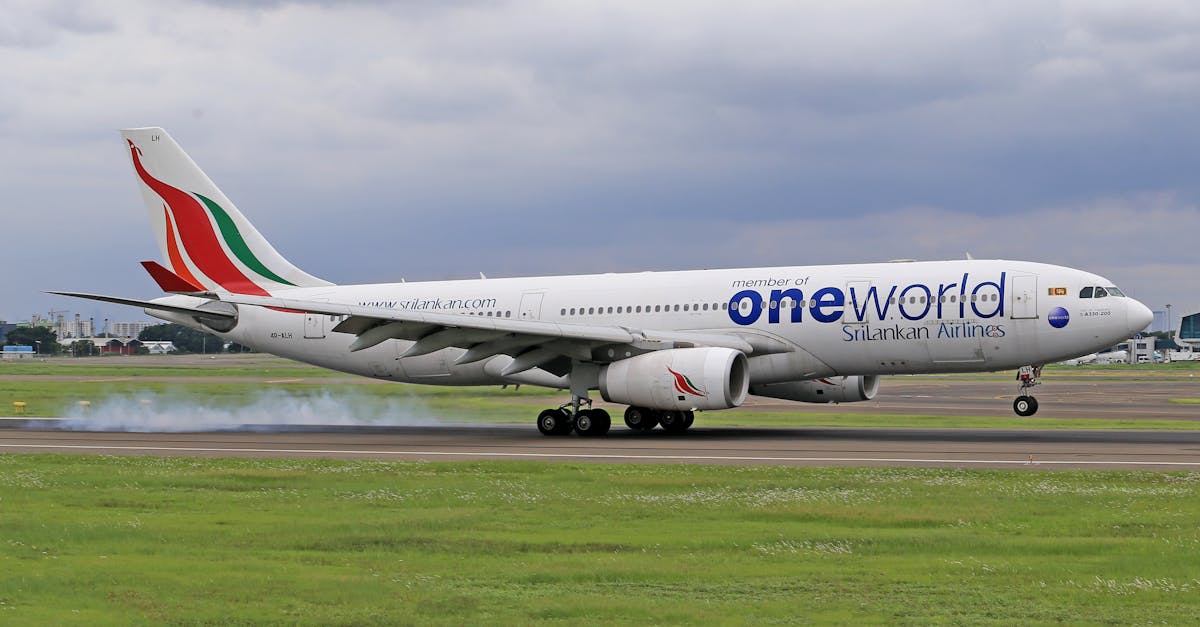
Photo by Jeffry Surianto on Pexels
Conviction in Landmark Aviation Case
Air France and Airbus were found guilty of manslaughter by a French court on Wednesday in connection with the 2009 crash of an Airbus A330-200 that killed all 228 people on board.
The crash occurred on June 1, 2009, involving Air France Flight 447, an Airbus A330-200 en route from Rio de Janeiro to Paris. The French Bureau of Enquiry and Analysis for Civil Aviation Safety (BEA) concluded that pitot-tube icing and loss of airspeed data led to the disaster.
The BEA’s investigation revealed that inadequate crew response to the aircraft’s stall warnings was a critical factor. The court also heard that the pilots’ actions during the critical phase of the flight were flawed.
Technical and Human Factors
The investigation by BEA identified multiple factors contributing to the crash. Pitot tubes, which measure airspeed, became blocked by ice, leading to incorrect readings. This caused the autopilot to disconnect and the aircraft to stall. Crew procedures and training were also criticized.
Airbus had previously redesigned the pitot tubes to improve resistance to icing. However, the redesign did not prevent the accident. The court found that both Air France and Airbus had a responsibility to ensure the aircraft was airworthy.
The redesign of the pitot tubes was part of a series of upgrades to the A330’s air data system. These upgrades were intended to improve the aircraft’s performance in icing conditions. However, the investigation revealed that the upgrades did not go far enough.
Reactions and Next Steps
Victims’ families expressed relief at the verdict. Air France said it intends to appeal the decision. Airbus also plans to appeal.
The penalties imposed on Air France and Airbus reflect the severity of the charges. The conviction marks a significant development in aviation safety accountability.
Industry Context and Regulatory Implications
The aviation industry has seen significant improvements in safety over the past few decades. The International Air Transport Association (IATA) reports that the number of fatal accidents has decreased dramatically. However, the crash of Air France Flight 447 highlighted the need for continued vigilance.
The French court’s decision sets a precedent for holding airlines and manufacturers accountable for safety failures. Regulatory bodies, such as the European Aviation Safety Agency (EASA), will likely review their procedures and guidelines in light of the conviction.
In recent years, there has been a growing emphasis on safety culture within the aviation industry. This includes a focus on transparency, accountability, and continuous improvement. The conviction of Air France and Airbus is likely to accelerate this trend.
The aviation industry’s safety record is a result of the combined efforts of regulators, airlines, and manufacturers. The conviction serves as a reminder that safety is a shared responsibility.
History of Aviation Safety and Precedents
The aviation industry has experienced several high-profile accidents in the past, leading to changes in safety procedures and regulations. The crash of Air France Flight 447 led to a major overhaul of pilot training programs and aircraft design.
Previous accidents, such as the Tenerife airport disaster in 1977 and the Aloha Airlines Flight 243 incident in 1988, have driven improvements in safety. The conviction of Air France and Airbus continues this trend, emphasizing the importance of safety in the industry.
The Tenerife airport disaster, which occurred in 1977, was caused by a combination of human error and inadequate safety procedures. The incident led to significant changes in air traffic control procedures and the implementation of standardized communication protocols.
The Aloha Airlines Flight 243 incident, which occurred in 1988, highlighted the importance of regular maintenance and inspection of aircraft. The incident led to changes in maintenance procedures and the development of more stringent inspection requirements.
What’s Next
The appeals process will be closely watched by the aviation industry. The outcome will determine any changes implemented by Air France, Airbus, and regulatory authorities to prevent future accidents.
The conviction is likely to lead to increased scrutiny of airlines and manufacturers. It may also result in changes to safety procedures, training programs, and aircraft design.
In the short term, the conviction is likely to lead to a renewed focus on safety within the aviation industry. This may involve a review of safety procedures, training programs, and aircraft design.
In the long term, the conviction may lead to changes in the way that airlines and manufacturers approach safety. This could involve a greater emphasis on transparency, accountability, and continuous improvement.
The aviation industry is likely to see a period of change and evolution in the wake of the conviction. The industry’s safety record will continue to improve as a result of the combined efforts of regulators, airlines, and manufacturers.
The changes implemented as a result of the conviction will help to ensure that the aviation industry continues to prioritize safety. This will involve a continued focus on transparency, accountability, and continuous improvement.
Related Articles
FAA commits $875 M to AI traffic manager, eyes nationwide rollout
The FAA plans to deploy an AI system to ease DC airspace congestion, sparking debate over safety, oversight, and military precedent.
Google buys nuclear power, teen makes acoustic extinguisher
Google will purchase half the output of a Finnish nuclear plant. A Mexican teen unveiled a sound‑wave fire extinguisher that claims seconds‑scale suppression.

Listen Labs Walks From $1.5B Deal as AI Governance Tensions Rise
Listen Labs drops a $1.5 billion Series C as AI startups face funding shifts, board changes, and mounting regulatory pressure.