

Spotify beta tests AI‑generated playlists from text prompts

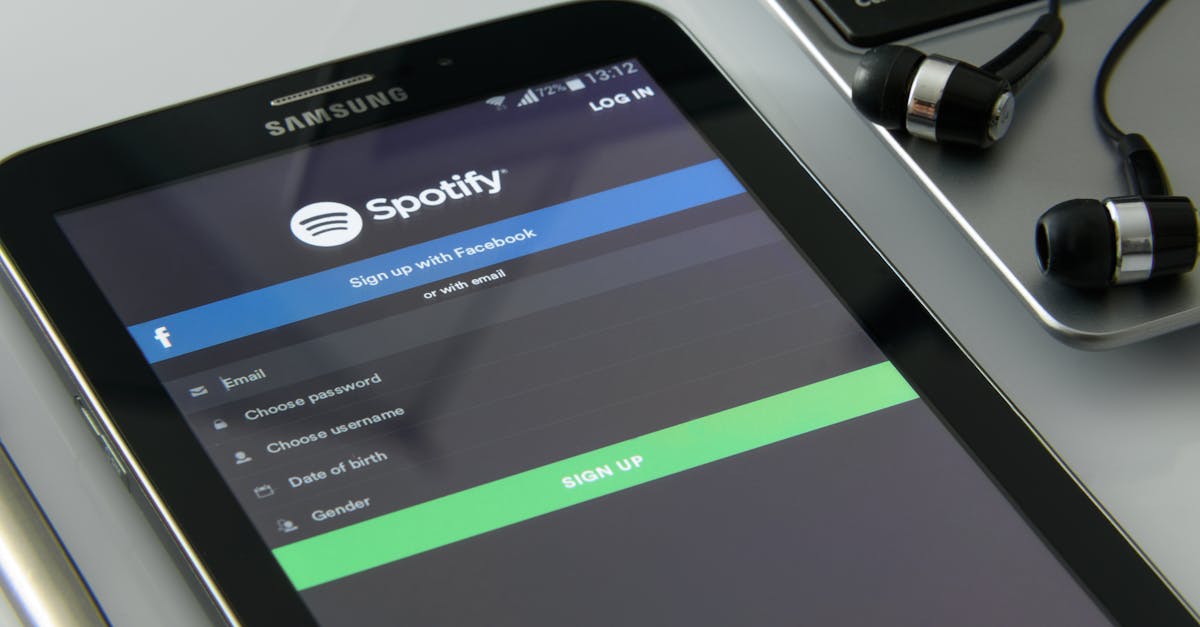
Photo by AS Photography on Pexels
AI Playlists Beta Rolls Out in the UK and Australia
Spotify has begun beta testing an AI‑driven playlist generator that builds 30‑track lists from free‑form text prompts. The feature is available now to Premium subscribers on Android and iOS in the United Kingdom and Australia. Users tap the “+” button in the Your Library screen, select the AI Playlist option, and type a description such as “music to read to on a cold, rainy day.” The service returns a 30‑song queue that matches the vibe, and the user can refine the result with follow‑up prompts like “more sad music.” Spotify says the model responds better to prompts that combine genres, moods, artists, decades, places, animals, activities, movie characters, colors, or even emojis.
The beta is limited to English prompts and does not accept non‑music queries such as current events or brand names. Offensive language is filtered out, according to the company’s documentation. The generated playlists can be saved with a single tap, and the UI lets users swipe left to discard unwanted tracks before finalising the list. Early testers reported that the system correctly titled a playlist “Blade’s Essence” when asked for music that would make them feel like a vampire hunter from the 1998 film Blade.
How the Prompt Engine Works and Its Limits
Spotify has not disclosed the underlying model, but the rollout mirrors a test shown on TikTok where a user typed “explore a niche genre like Witch House” and received a curated list after a “Processing your request…” message. The prompt box resembles a chatbot, and suggested prompts include “get focused at work with instrumental electronica” and “fill in the silence with background café music.” The feature appears as a new entry beneath the existing Playlist and Blend options, with a description that reads “Turn your ideas into playlists using AI.”
The system’s constraints are explicit: it only produces music‑related results, it operates in English, and it blocks content deemed offensive. Because the AI does not pull from a user’s listening history, it can surface tracks the subscriber has never heard, but it also lacks the personal nuance that Spotify’s traditional recommendation engine provides. The trade‑off is clear—speed and novelty versus the depth of a history‑driven mix. As of the beta, Spotify has not said whether the feature will remain free or become part of a paid tier, a question that gains urgency as the company hints at upcoming price increases.
Spotify’s AI DJ and Voice Experiments
The playlist beta follows a series of AI‑centric launches. In August, Spotify rolled out an AI‑powered DJ that streams an endless, commentary‑rich playlist. The DJ’s voice is a synthetic recreation of Xavier “X” Jernigan, a former head of cultural partnerships, generated with technology from Sonantic AI—an acquisition from last year. Behind the scenes, Spotify blends scripted commentary from a “writer’s room” of music and culture experts with generative text from OpenAI models. The DJ can switch genres on demand, and its commentary order is claimed to be unique per user, though the exact degree of personalization remains opaque.
Earlier this year, Wrapped introduced an AI‑driven podcast that recaps a user’s listening year using Google’s NotebookLM technology. Two artificial voices narrate moods, vibes, and even speculate on the user’s media consumption, such as linking September’s “bolder” vibe to the Oppenheimer soundtrack. Critics note that the feature feels more like a marketing gimmick than a functional insight. The same criticism applies to the AI DJ, whose “cookie‑cutter” chatter sometimes repeats stock phrases, raising concerns about long‑term engagement.
Business Implications and User Experience
Spotify’s AI push is part of a broader strategy to differentiate its service as competitors like Apple Music and Amazon Music double down on generative features. The company’s head of Personalization, Ziad Sultan, has emphasized a “large research team” exploring large language models, generative voice, and personalization. CEO Daniel Ek has hinted at future uses such as AI‑summarized podcasts and automatically generated audio ads, as well as generative tools for artists.
The AI Playlist beta could be a revenue lever. Premium plans currently start at $5.99 per month for students and $10.99 for individuals in the United States. If the feature proves popular, Spotify may bundle it into a higher‑priced tier or use it to justify the rumored price hike slated for later this year. At the same time, the beta’s limited rollout and English‑only constraint suggest the company is still gathering data on user acceptance and potential abuse.
What to Watch
In the coming months, watch for three signals: the geographic expansion of the AI Playlist beta beyond the UK and Australia; any pricing announcements that tie the new AI tools to premium tiers; and the evolution of the AI DJ’s voice library, especially whether additional synthetic hosts replace or augment the Xavier Jernigan model. These moves will reveal how aggressively Spotify intends to monetize generative AI and whether the experiments reshape the streaming experience or remain niche curiosities.
Updates
- 2026-05-25 — No, that probably wasn’t Pixel 11’s ‘Glow’ at I/O – ‘Pixel Ultra meeting’ anyone? (source)
Related Articles

Googlebook challenges Apple’s retail play as Mac Studio prices
Google’s $899 AI‑native laptop and Apple’s store‑first philosophy clash amid rising component costs and AI‑driven hardware bets.

Xiaomi MiMo 2.6, Grok 4.7, and a Wave of Mid‑Month Tech Setbacks
A roundup of Xiaomi's MiMo 2.6 launch, x.ai's Grok 4.7 update, NASA's Mars Sample Return cancellation, and other mid‑September tech headlines.

Amiga Unix resurfaces on modern hardware
A community revives the 1990 Amiga Unix port with AI‑assisted tools, new drivers, and a modern package manager for classic 68k machines.