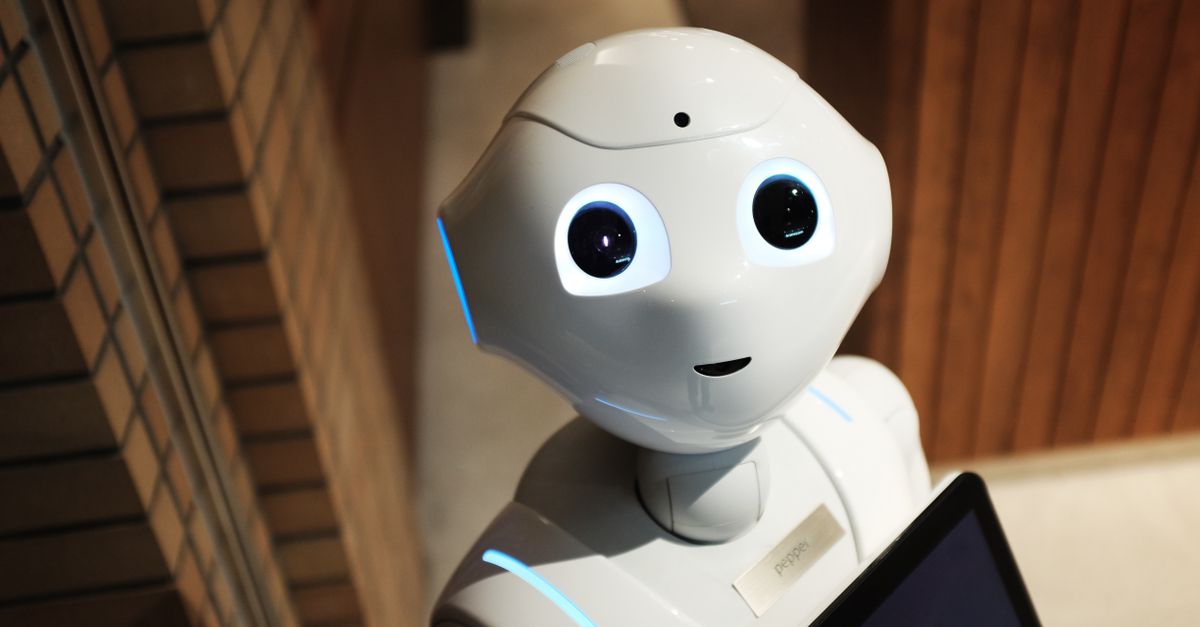
Spotify AI tools, Google AR glasses, and Waymo's safety concerns


Photo by Matheus Bertelli on Pexels
Spotify’s AI-powered creation tools
Spotify released AI-powered tools that nudge users to create more content. The tools are a bit much. The rollout includes prompts that surface while users browse, urging them to add more content. Critics argue that the push could dilute quality. This move by Spotify is part of a larger trend of tech companies using AI to drive user engagement. The question is whether this approach will lead to more meaningful interactions or just more noise.
Google’s Gemini-powered AR glasses prototype
Google demoed prototype Android XR glasses that overlay Gemini-powered translation, navigation, and other information directly into the user’s field of view. The hardware is still a prototype, but the software integration hints at a future where contextual data streams directly into the user’s sightline. However, the demo revealed rough edges, such as overlay lag and narrow field-of-view. These technical challenges will need to be addressed before the product can be widely adopted.
Waymo’s freeway suspension and safety concerns
Waymo suspended freeway driving across its US markets over concerns about construction zones. The company also paused service in Atlanta, GA, and other areas. Customers experienced longer trips via local roads after the freeway suspension. Waymo’s decision to pull back on freeways highlights the tension between scaling quickly and ensuring safety. This incident underscores the importance of careful testing and validation in the development of autonomous vehicles.
The broader AI-driven product race
Spotify, Google, and Waymo are each betting on AI to deepen user engagement or expand capabilities. The common denominator is the push to embed intelligence at the point of interaction. The use of AI in these products raises important questions about the future of work and leisure. As machines become more capable of performing tasks, what will be the role of humans? Will we see a shift towards more creative and high-value work, or will automation lead to widespread job displacement?
Industry context and trends
The development of AI-powered products is part of a larger trend towards increased use of machine learning and natural language processing in tech. Companies like Apple, Amazon, and Microsoft are also investing heavily in AI research and development. This has led to a surge in innovation, but also raises concerns about privacy, security, and bias.
Technical mechanics and implications
From a technical perspective, the development of AI-powered products like Spotify’s creation tools and Google’s AR glasses requires significant advances in areas like computer vision, natural language processing, and machine learning. These technologies have the potential to transform a wide range of industries, from healthcare and finance to education and transportation.
However, the development of these technologies also raises important technical challenges, such as ensuring the accuracy and reliability of AI systems, addressing issues of bias and fairness, and protecting user privacy and security. As AI becomes more ubiquitous, it will be essential to address these challenges and ensure that the benefits of AI are shared by all.
Downstream implications
The impact of AI-powered products on the market will be significant. For instance, Spotify’s AI-powered creation tools may lead to an increase in user-generated content, which could in turn lead to new revenue streams for the company. On the other hand, Google’s AR glasses may revolutionize the way we interact with information, making it more accessible and convenient.
The development of autonomous vehicles like Waymo’s also has significant implications for the transportation industry. With the potential to reduce accidents and improve traffic flow, autonomous vehicles could transform the way we travel. However, there are also concerns about job displacement and the need for new regulations to ensure public safety.
History and precedent
The development of AI-powered products is not new, but the current pace of innovation is unprecedented. In the past, we have seen the development of AI-powered tools like chatbots and virtual assistants, but these were largely limited to simple tasks. The current generation of AI-powered products is more advanced, with the ability to learn and adapt to user behavior.
The history of autonomous vehicles is also instructive. The first self-driving cars were developed in the 1980s, but they were largely experimental and not suitable for widespread use. Today, companies like Waymo and Tesla are leading the charge in the development of autonomous vehicles, with significant investments in research and development.
Related Articles
Nvidia's AI Leap: RTX Spark Laptops and Automotive Advances
Nvidia pushes boundaries with RTX Spark laptops and automotive AI tech