

Samsung Shifts Galaxy Buds to Clip‑Style Open‑Ear Design

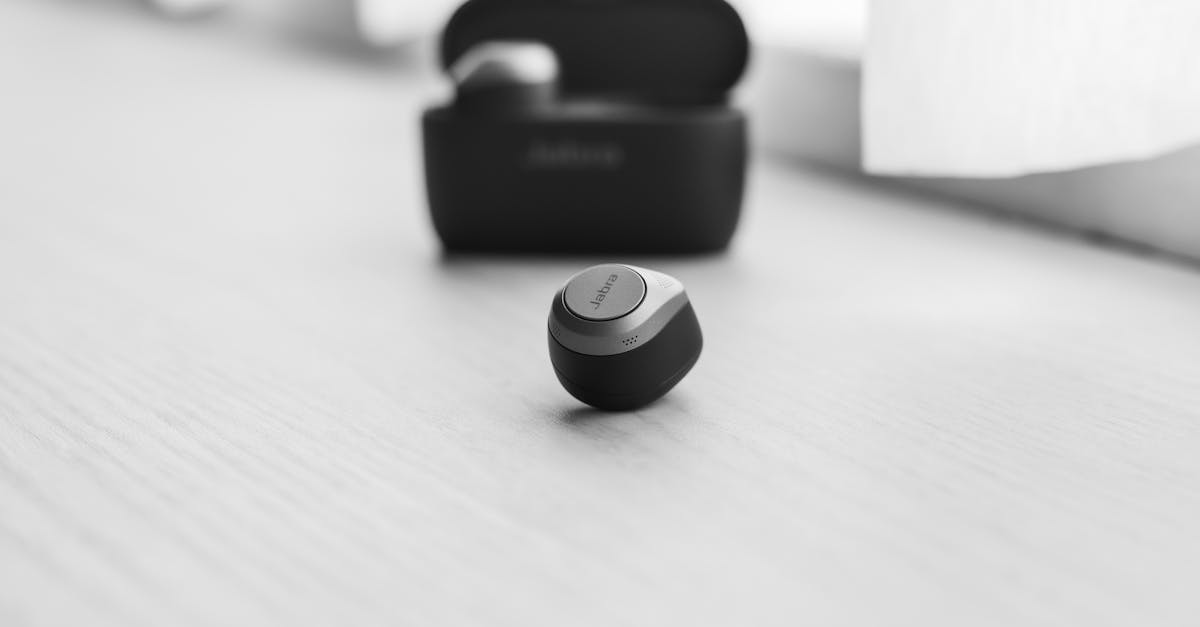
Photo by SpotwizardLee on Pexels
Samsung’s next Galaxy Buds will ditch the in‑ear design for a clip‑style open‑ear form factor, a move that could reshape how we think about true wireless audio.
South Korean reports confirm the new Buds will use the same “clip” design that Xiaomi is reportedly preparing for its own lineup, and the change arrives alongside rumors of on‑device real‑time language translation for the flagship Galaxy Buds 3 Pro. The shift comes as Samsung pushes a broader AI‑first strategy tied to the upcoming Galaxy S24 series.
Clip‑On Buds Challenge the In‑Ear Norm
The clip design abandons the sealed silicone tip in favor of a lightweight arm that rests on the outer ear. That geometry promises a more natural listening experience for users who dislike the pressure of traditional earbuds. Samsung’s decision mirrors a trend spotted in Xiaomi’s rumored offerings, suggesting the open‑ear approach may become a new sub‑category rather than a niche experiment.
From a market perspective, the clip form factor could attract commuters and gym‑goers who struggle with ear‑hook stability. Samsung’s previous true‑wireless launch, the Galaxy Buds released on March 8 at $129.99 (€149 in Europe on March 29), already undercut Apple’s AirPods on price while adding wireless charging and reverse‑charging from Galaxy phones. The new clip‑style buds will likely retain those cost advantages, giving Samsung a clear value proposition against Apple and other premium players.
On‑Device AI Translation Pushes the Envelope
A separate leak from Maeil Business Newspaper claims the upcoming Galaxy Buds 3 Pro will embed a built‑in interpreter capable of translating speech in real time without any internet connection. If true, the earbuds would process voice data locally, sidestepping cloud latency and reducing the risk of eavesdropping. The report quotes the translation feature as “blocking the risk of personal conversation being exposed to the outside.”
Samsung is reportedly developing a new AI model to debut alongside the Galaxy S24 flagship line, which is expected early next year. The same on‑device AI engine powers other upcoming features, such as generative wallpaper creation and enhanced object removal in photos. Embedding translation in earbuds is a logical extension, but it also raises the bar for competitors that have offered cloud‑based translation in the past. The real test will be accuracy and latency when the processor works entirely offline.
Safety Concerns Resurface After Buds FE Explosion
While the hype focuses on new form factors and AI tricks, a lingering safety issue threatens to tarnish Samsung’s earbuds reputation. A user on the Samsung Community forum reported that a brand‑new Galaxy Buds FE exploded in a girlfriend’s ear, causing permanent hearing loss. The incident involved a single left bud that appeared to burst at the tip, not the battery, according to the posted images. Samsung responded that the earbuds “did not burst and were only deformed,” attributing the event to external factors.
The company’s statement to Android Police emphasized a “thorough investigation” and reiterated its commitment to customer safety. Nonetheless, the episode echoes the Galaxy Note 7 battery fiasco of 2016, reminding consumers that even low‑cost accessories can harbor serious defects. Samsung’s offer of a replacement pair does little to address the broader trust deficit that such incidents generate, especially as the brand pushes more sophisticated AI hardware.
Regulatory Confirmation and Competitive Landscape
A recent FCC filing, highlighted by 91Mobiles, finally confirmed the existence of the new Galaxy Buds. The filing includes a bottom‑case illustration that suggests a USB‑C port rather than the older Micro‑USB, and it lists Bluetooth 5.0 as the connectivity standard. Earlier leaks had hinted at 8 GB of onboard storage and improved battery life, but the FCC document stops short of confirming those specs.
The filing also signals Samsung’s ongoing consolidation of its audio products under the Galaxy banner, following similar moves with the Galaxy Watch. Xiaomi’s parallel development of a clip‑style earbud hints at a budding arms race in the open‑ear segment, while Apple continues to dominate the sealed‑in‑ear market with AirPods. Competitors like Google and Sony have yet to announce comparable on‑device translation, giving Samsung a potential first‑mover edge if the feature works as advertised.
What to Watch
The next few months will reveal whether Samsung can translate hype into hardware. Key milestones include the official Galaxy Buds announcement at the upcoming Galaxy S10 event, a hands‑on demo of the on‑device translation feature, and any regulatory follow‑up on the safety investigation. Keep an eye on the FCC’s final specifications, Xiaomi’s product reveal, and consumer sentiment after the Buds FE incident. If Samsung delivers a reliable clip‑on earbud with offline translation, it could force rivals to rethink both form factor and AI integration.
Updates
- 2026-09-21 — Xiaomi 18 Pro has a Privacy Display that does more than Galaxy S26 Ultra, launches this week [Video] (source)
- 2026-09-10 — Charlie Kirk Was Shot a Year Ago. The Conspiracy Theories Are More Rampant Than Ever (source)
- 2026-08-10 — Orange Crush: TAG Heuer Drops a Bright Revamp of the Original Metal F1 Watch (source)
- 2026-08-09 — Retraction: The App Store Rejection of the Week That Was a Correct Rejection (source)
Related Articles

Googlebook challenges Apple’s retail play as Mac Studio prices
Google’s $899 AI‑native laptop and Apple’s store‑first philosophy clash amid rising component costs and AI‑driven hardware bets.

Xiaomi MiMo 2.6, Grok 4.7, and a Wave of Mid‑Month Tech Setbacks
A roundup of Xiaomi's MiMo 2.6 launch, x.ai's Grok 4.7 update, NASA's Mars Sample Return cancellation, and other mid‑September tech headlines.

Amiga Unix resurfaces on modern hardware
A community revives the 1990 Amiga Unix port with AI‑assisted tools, new drivers, and a modern package manager for classic 68k machines.