

Samsung workers plan massive May 21 strike

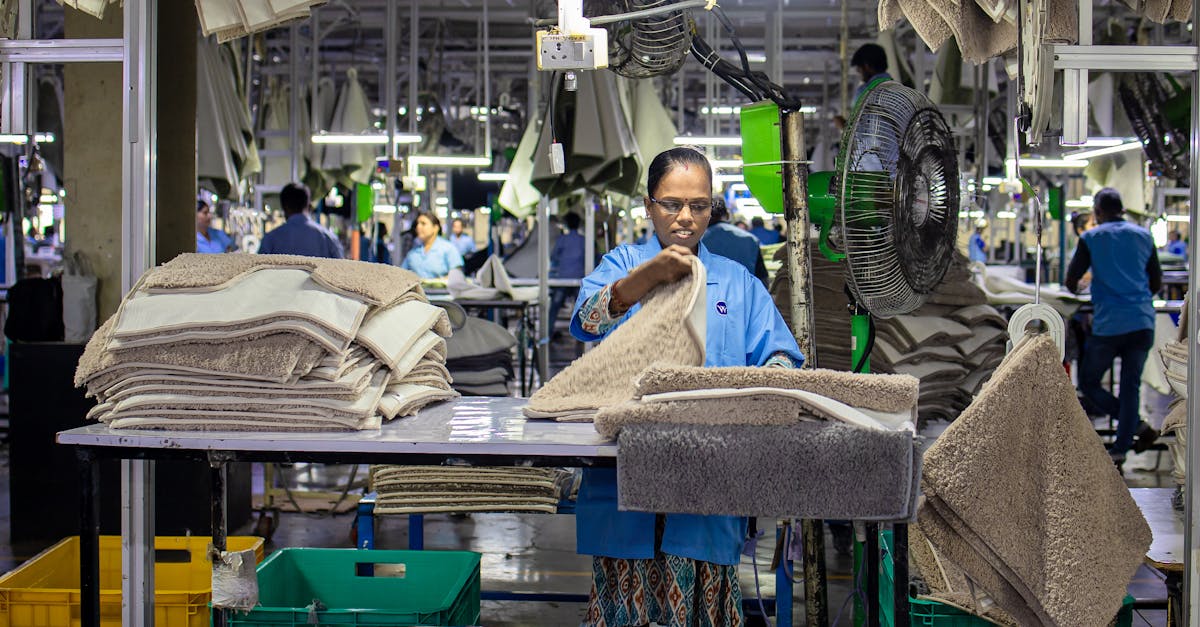
Photo by EqualStock IN on Pexels
Samsung workers set to walk off on May 21
Samsung’s Korean workforce will walk off on May 21, ending a stalled negotiation that left nearly 48,000 union members without a deal. Engadget reported that the strike will begin after talks failed to produce an agreement with the company. The workers belong to several unions that represent assembly line staff, engineers, and logistics crews. The walkout will hit Samsung’s primary manufacturing hubs in Suwon and Hwaseong. No new deadline was offered, and management has not disclosed a fallback plan.
The timing is critical. Samsung launches flagship phones in the second half of each year, and its memory chips power everything from smartphones to data centers. A week‑long shutdown could shave weeks off production schedules. Suppliers that rely on just‑in‑time deliveries may face inventory gaps. Investors already monitor Samsung’s quarterly earnings for supply‑chain volatility, and a large‑scale strike adds a new variable. The union’s demands reportedly include higher wages and better pension contributions, but the exact figures were not disclosed in the report.
Why the strike matters beyond the factory floor
A disruption at Samsung reverberates through the entire tech ecosystem. The company’s Exynos chips already compete with rivals for OEM contracts. Any delay forces phone makers to scramble for alternative silicon, potentially inflating costs. Memory shortages could push up prices for SSDs and cloud services that depend on Samsung’s DRAM.
Consumers may notice higher retail prices or longer wait times for new devices. Historically, Samsung has absorbed short‑term shocks by shifting production to other sites, but the scale of this walkout exceeds previous incidents. The union’s size—almost 48,000 workers—means the company cannot simply outsource the work without significant re‑tooling. That reality puts pressure on Samsung’s leadership to return to the bargaining table.
Labor unrest in tech: a pattern emerging
Samsung is not the first tech‑related employer to face a high‑profile labor showdown. In July 2013, BART unions in the Bay Area locked down the transit system for five days after a contract dispute over raises, pension contributions, and health benefits. The strike only ended when the governor imposed a 60‑day cooling‑off period. That episode highlighted how public‑sector tech operations can grind to a halt when workers feel shortchanged.
A more recent dispute involves SAG‑AFTRA and Epic Games’ subsidiary Llama Productions. The union filed an unfair‑labor‑practice charge after Epic introduced an AI‑generated Darth Vader voice in Fortnite without bargaining. The complaint does not focus on the technical glitch that let players force profanity; it targets the unilateral replacement of voice‑actor work with synthetic audio. The case underscores how AI threatens traditional creative labor and how unions are adapting their strategies.
Handy, a New York‑based on‑demand cleaning platform, now faces a class‑action lawsuit in Massachusetts. The plaintiff alleges the company treats its cleaners as independent contractors while imposing employee‑like controls, a violation of the Fair Labor Standards Act. The suit echoes earlier challenges to gig‑economy firms such as Uber and Homejoy, where courts have begun to draw clearer lines between contractor and employee status. Together, these cases illustrate a broader shift: tech firms are confronting labor demands that extend beyond wages to fundamental definitions of work.
What to watch next
The immediate question is whether Samsung will broker a new contract before the May 21 walkout begins. If talks resume, the union will likely demand a clear wage increase and pension safeguards. A failure to reach an accord could trigger a multi‑week shutdown, forcing Samsung to divert production to secondary sites in Vietnam or China. Observers should track announcements from Samsung’s labor relations office and any statements from the Korean Ministry of Employment and Labor, which can mediate large‑scale disputes.
Beyond the strike, the industry should watch how other tech‑related labor battles evolve. The outcome of SAG‑AFTRA’s NLRB filing could set precedent for AI‑driven content creation. The Handy lawsuit may reshape contractor classifications for on‑demand platforms. Each case adds pressure on companies to renegotiate the balance between flexible work models and employee protections. For investors and engineers alike, the next few weeks will reveal how resilient the tech supply chain is when its human core pushes back.
Updates
Related Articles

Samsung to More Than Double HBM4 Production Next Year
Samsung plans to more than double output of its HBM4 and HBM4E DRAM chips, a move that could reshape high‑bandwidth memory supply for AI workloads.
Samsung Cuts $250 Off Galaxy Z Fold 8, Bundles Buds for $25
A $250 discount on the Galaxy Z Fold 8 and a $25 Galaxy Buds 4 Pro bundle shake up the foldable market, prompting buyers to weigh price against performance.

Microsoft Bans School Data for AI as Labor Pushes Back on Tech
Microsoft agreed not to use teacher‑union data for AI training, while unions, model releases, and autonomous‑car safety signal a new friction point for the industry.