

Quantic Dream shuts down Spellcasters Chronicles MOBA

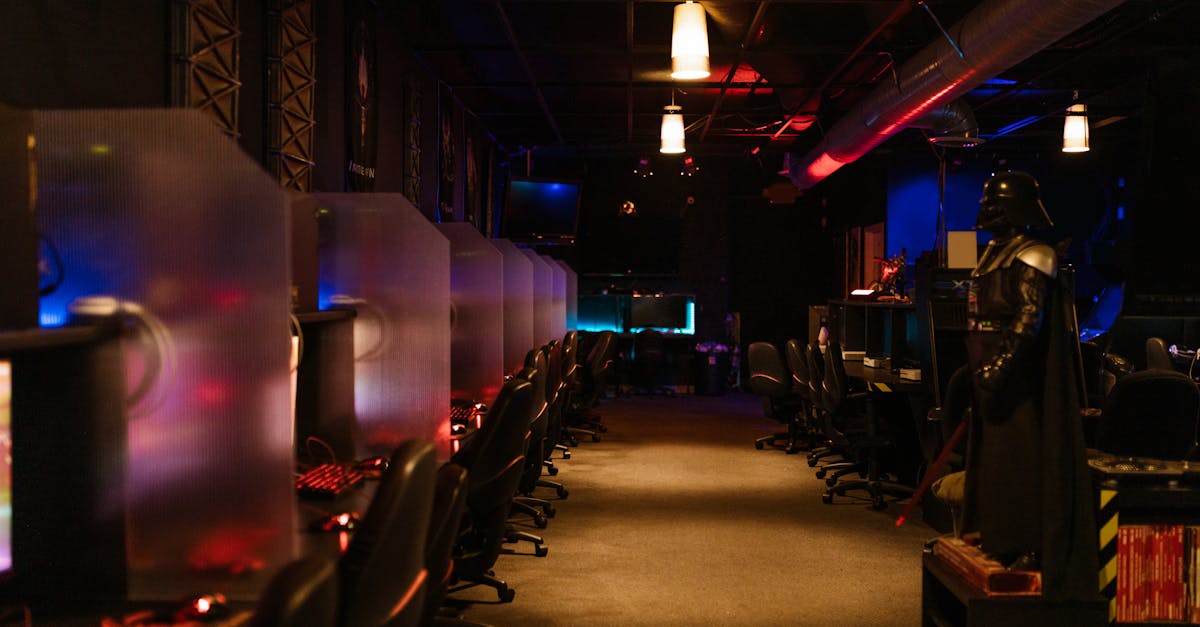
Photo by RDNE Stock project on Pexels
The final match
Playing Spellcasters Chronicles felt like stepping into a quiet arena. The character selection screen loaded, but the lobby stayed empty. A handful of friends could join, but beyond that the match‑making queue stalled. The experience reminded me why multiplayer games need a critical mass of active users. Without that, even polished graphics and solid mechanics feel hollow.
Quantic Dream built the game on its own engine, borrowing the studio’s narrative polish for a genre that rewards rapid iteration. The title launched with a roster of spell‑wielding heroes, each equipped with distinct abilities. Yet the community never grew beyond a niche of curious testers. The game struggled to compete with League of Legends and Dota, the two titans that dominate the genre. Those platforms field millions of daily players, massive esports ecosystems, and constant content pipelines.
When the studio announced the shutdown, it confirmed the inevitable. Servers will go offline next month, and all in‑game purchases become void. Existing players received a brief email, thanking them for their support. The message was brief, but the loss is palpable for the few who invested time learning the hero combos. For the broader market, the closure is a reminder that entering a saturated multiplayer space requires more than a solid launch.
MOBA market is a closed arena
League of Legends and Dota control the majority of the MOBA audience. Their longevity stems from network effects: more players attract more players, and a thriving esports scene reinforces that loop. New entrants must offer a compelling hook that draws users away from established ladders.
Quantic Dream’s Spellcasters Chronicles lacked a clear differentiator. The game introduced a fantasy spell‑casting theme, but the core loop mirrored its competitors. Without a distinct competitive edge, it could not persuade veterans to switch or newcomers to stay. The result was a thin player base that could not sustain matchmaking queues.
History repeats itself. Several studios have launched MOBA projects only to shutter them after a few months. The pattern underscores how unforgiving the genre is. Even generous funding and experienced developers cannot guarantee success when the market is already saturated.
Quantic Dream’s gamble and next move
Quantic Dream built its reputation on story‑driven single‑player experiences like Heavy Rain and Detroit: Become Human. Those games emphasize player choice, cinematic pacing, and emotional weight. Shifting to a multiplayer arena required a cultural pivot within the studio.
The studio’s foray into MOBA territory felt like an experiment that never fully materialized. Its expertise in narrative design did not translate into the fast‑paced balance updates and community management that MOBA players expect. The mismatch between the studio’s core strengths and the genre’s demands likely accelerated the shutdown.
Now that Spellcasters Chronicles is ending, the studio faces a crossroads. It could double down on its narrative roots, perhaps integrating live‑service elements that respect its storytelling pedigree. Or it could explore hybrid formats that blend multiplayer moments with single‑player depth. Whatever path it chooses, the next announcement will reveal whether the studio learned from this misstep.
Industry ripple and what to watch
The shutdown sends a clear signal to indie and mid‑size developers eyeing the MOBA space: without a massive player base, survival is unlikely. Investors may become more cautious about funding multiplayer projects that lack a built‑in audience. Existing MOBA platforms could tighten their ecosystems, making it harder for newcomers to gain traction.
Meanwhile, PlayStation is gearing up for a State of Play on June 2, promising a fresh look at Marvel’s Wolverine. That event highlights how major publishers continue to invest in high‑visibility single‑player and narrative titles, a contrast to the risky multiplayer gamble Quantic Dream made.
What to watch next: Quantic Dream’s next project reveal, expected later this year, will indicate whether the studio returns to its narrative roots or attempts another multiplayer venture. Keep an eye on the State of Play announcements for signs of where Sony believes consumer interest lies. The health of the MOBA market will also surface in any upcoming earnings calls from Riot Games or Valve, as they comment on user growth trends.
Updates
Related Articles

Games leave TV: Cartoon Network, Zynga and Until Dawn 2
Cartoon Network, Zynga and the new Until Dawn 2 illustrate how entertainment firms are turning to games to stay relevant.

Isaac Online and GTA VI Share a November 19 Launch
Isaac: Repentance+ Online lands the same day as GTA VI, Harvey Smith launches Black Pony Immersive, and IKEA teases an Xbox cushion.

Sony pushes disc death as streaming squeezes niche music
Sony moves forward without PlayStation discs while streaming services drive down earnings for jazz and classical artists, and Pandora rolls out a sub-$10 ad‑free tier.