

Nvidia H100 Hoard

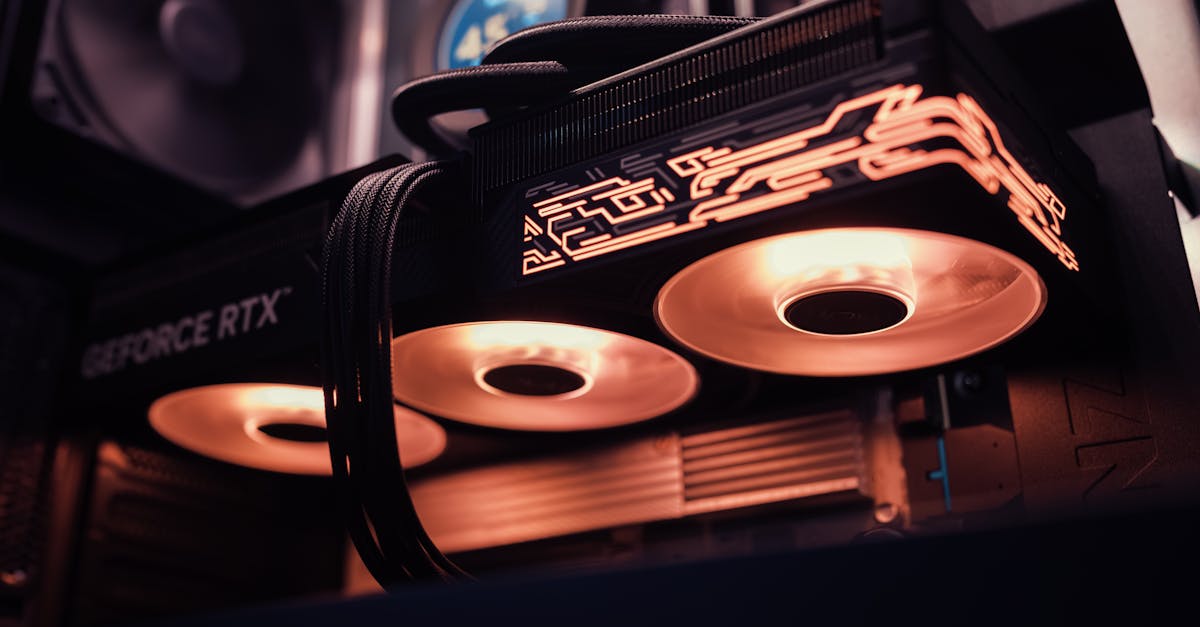
Photo by Matheus Bertelli on Pexels
Introduction to the Nvidia H100 Hoard
Meta has amassed a stockpile of 350,000 Nvidia H100 GPUs, each valued at up to $40,000. This substantial investment underscores the company’s commitment to AI training. The H100 is a highly sought-after piece of technology, with numerous large tech companies vying for access to it.
The H100’s popularity stems from its exceptional performance in AI training. Meta’s recent release of Llama 3.1, a large language model, was trained using up to 16,000 of these GPUs. The model’s impressive benchmarks are a testament to the H100’s capabilities. However, the high demand for these GPUs has led to a shortage, with companies like Tesla and OpenAI also seeking to acquire them.
The Cost of the H100 Hoard
The financial implications of Meta’s H100 stockpile are substantial. With each GPU valued at up to $40,000, the total cost of the 350,000 GPUs is estimated to be over $10 billion. This investment is a significant one, and it highlights the importance of AI training in Meta’s business strategy.
The cost of the H100 GPUs is not the only factor to consider. The energy consumption and maintenance costs associated with these devices are also significant. As companies continue to invest in AI training, the environmental impact of these investments will become increasingly important.
Industry Context
The demand for H100 GPUs is not limited to Meta. Numerous other large tech companies, including Tesla and OpenAI, are also seeking to acquire these devices. The competition for H100 GPUs is fierce, with companies willing to pay top dollar to secure access to them.
The H100’s popularity has also led to a black market for the devices. Some individuals are being paid to smuggle H100 GPUs into China, where they can be sold for a significant profit. This black market is a testament to the high demand for these devices and the lengths to which some individuals will go to acquire them.
The global shortage of GPUs has sparked a rush for alternatives. Companies are exploring ways to optimize their existing infrastructure, while others are turning to cloud services that offer access to high-performance computing resources. This shift has significant implications for the broader tech industry, as companies adapt to the changing landscape.
Regulatory Implications
The shortage of H100 GPUs has significant regulatory implications. The US government has imposed export controls on the devices, which has led to a shortage in countries like China. This shortage has, in turn, driven the development of a black market for the devices.
As the demand for H100 GPUs continues to grow, regulatory bodies will need to consider the implications of this demand. The environmental impact of AI training, as well as the potential for black markets to develop, are just two of the issues that will need to be addressed.
Technical Mechanics
The H100’s exceptional performance in AI training can be attributed to its advanced architecture. The device features a large number of CUDA cores, which enable it to perform complex calculations at high speeds. Additionally, the H100’s high memory bandwidth allows it to handle large datasets with ease.
The technical specifications of the H100 make it an attractive option for companies involved in AI research. However, the device’s high cost and limited availability have led to a shortage, which has driven up prices and created a black market.
Downstream Implications
The demand for H100 GPUs has significant implications for the broader tech industry. As companies continue to invest in AI training, the demand for these devices will only continue to grow. This growth will drive innovation in the field, as companies seek to develop more efficient and cost-effective solutions for AI training.
However, the environmental impact of AI training cannot be ignored. As the demand for H100 GPUs continues to grow, the energy consumption and e-waste associated with these devices will become increasingly important. Regulatory bodies will need to consider the implications of this growth and develop strategies to mitigate its impact.
The investment in H100 GPUs also raises questions about the long-term sustainability of the AI training process. As the demand for these devices continues to grow, companies will need to consider the environmental and financial implications of their investments.
What to Watch
As the market for H100 GPUs continues to evolve, there are several key developments to watch. The first is the potential for new, more efficient GPUs to be developed. If these devices can provide similar performance to the H100 at a lower cost, they may disrupt the market and reduce the demand for the H100.
Another key development to watch is the growth of the black market for H100 GPUs. As the demand for these devices continues to grow, the black market is likely to expand, which could have significant regulatory implications.
Finally, the environmental impact of AI training will become increasingly important. As companies continue to invest in AI training, the energy consumption and e-waste associated with these investments will need to be addressed. Regulatory bodies will need to consider the implications of this growth and develop strategies to mitigate its impact.
Updates
- 2026-08-11 — NASA updates Voyager 2 to extend the 1977 probe’s lifespan yet again (source)
Related Articles

AI Fuels Subsea Cable Boom
Tech giants invest in subsea cables to support AI models, with $13 billion expected between 2025-2027

Microsoft Unveils Surface Laptop Ultra and RTX Spark Dev Box
Microsoft debuts two new Surface devices powered by Nvidia's RTX Spark chips, targeting performance and development needs.
Nvidia's AI Leap: RTX Spark Laptops and Automotive Advances
Nvidia pushes boundaries with RTX Spark laptops and automotive AI tech