

Investigative journalism faces crackdown at home and abroad

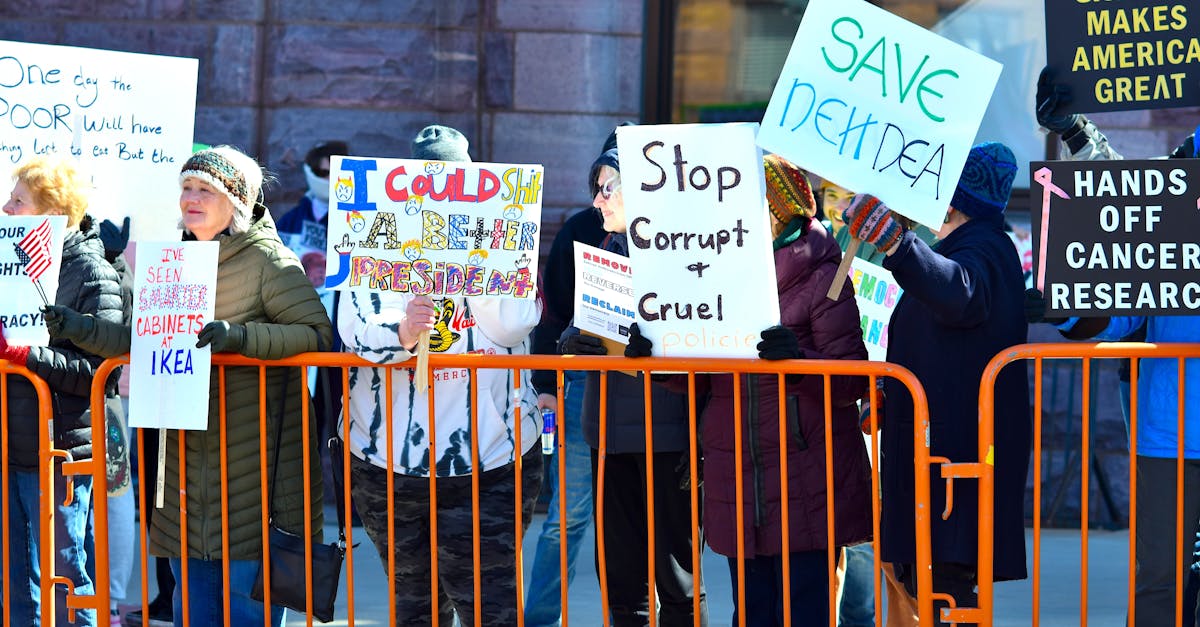
Photo by Charles Criscuolo on Pexels
Japan tightens the leash on leaks
The lower house passed the Designated Secrets Bill on Dec 7, forcing a vote before midnight. The measure criminalizes the disclosure of state secrets with up to ten years behind bars for journalists and five years for anyone who “instigates leaks.” The vote tallied 130 in favor and 82 against. Protesters gathered outside the Diet in numbers estimated at 15,000. Public opinion polls show only 25% of Japanese support the law while half of the population opposes it. The Committee to Protect Journalists warned that the bill lets any ministry label inconvenient information as a “state secret” for a decade, with the option to extend the ban. Michael Woodford, the former Olympus CEO who exposed a $1.7 billion accounting fraud, joined the chorus of critics, fearing the law will hide future scandals. No independent body will monitor how the law is applied. Every ministry and even the smallest agency can declare information top secret at will. The result is a legal environment where journalists cannot know what will trigger a ten‑year sentence until after the fact.
US funding fuels a global investigative network
The Organized Crime and Corruption Reporting Project (OCCRP) claims to be the largest investigative reporting organization on Earth. Founded in 2008 in Sarajevo, it now runs on a €20 million annual budget and employs about 200 staff across three continents. The United States supplies roughly half of that budget through the Bureau of International Narcotics and Law Enforcement Affairs and retains a veto over senior appointments. The network coordinates more than 70 media members and 50 partners, including The New York Times, The Guardian, and Der Spiegel. Its collaborations have produced the Panama Papers, Pandora Papers, and the Pegasus Project, among others. OCCRP says its investigations have helped recover over $10 billion in lost revenue and toppled heads of government in “five or six” countries. A Mediapart investigation revealed that Washington’s financial hand creates a structural dependence that contradicts OCCRP’s public claim of independence. German broadcaster NDR censored its own report on the matter after the findings surfaced, highlighting the pressure that even allied media face when the funding source is a state actor.
Veteran reporters describe the mounting pressure
Nick Davies recalls that when he started, the only source material was a police officer at a precinct. Today, the landscape is far less forgiving. He notes that the lure of exposing corruption still drives journalists, but the tools and risks have changed dramatically. Davies points to the “Tax Gap” investigation he worked on with The Guardian as an example of a technically complex probe that left him feeling out of depth. He also describes field work that placed him in dangerous neighborhoods, dealing with child prostitutes and crack houses. The common thread, he says, is a reliance on imagination to turn a handful of leads into a coherent story, a process that becomes exponentially harder when legal threats loom. His perspective aligns with the experience of the OCCRP staff who have faced exile and imprisonment for their work. The combination of aggressive state legislation, as seen in Japan, and opaque funding streams, as revealed in the OCCRP probe, creates a climate where the very act of asking questions can be criminalized.
Theo Baker exits a four‑year Stanford probe
After four years of digging into Stanford University, Theo Baker is preparing to leave the campus. The investigation, which began as a student‑run effort, aimed to uncover systemic issues within the elite institution. While the details of his findings remain unpublished, the duration of the probe signals a deep commitment to long‑form scrutiny that is increasingly rare in a media environment focused on rapid content. Baker’s departure underscores a broader trend: investigative projects now require years of sustained effort, yet they face mounting legal and financial obstacles. The Japanese secret law, the OCCRP’s funding entanglements, and the personal risks described by seasoned journalists all point to a shrinking space for the kind of deep reporting that Baker embodied.
What to watch
Track the enforcement of Japan’s Designated Secrets Bill as the first prosecutions are announced. Monitor any legal challenges brought by journalists’ unions or human‑rights groups. In the United States, watch for congressional hearings on foreign funding of NGOs like OCCRP and for any policy shifts that could alter the current funding formula. Finally, keep an eye on the release of Baker’s Stanford findings; the report could become a flashpoint for debates about university accountability and the future of student‑led investigations.
Updates
Related Articles
Japan’s hay‑fever surge, Railway outage, FiveThirtyEight archive
A 1950s Japanese project fuels a hay‑fever wave, Railway’s Google Cloud outage exposes platform risk, and FiveThirtyEight secures its archive.

Googlebook challenges Apple’s retail play as Mac Studio prices
Google’s $899 AI‑native laptop and Apple’s store‑first philosophy clash amid rising component costs and AI‑driven hardware bets.
Xiaomi MiMo 2.6, Grok 4.7, and a Wave of Mid‑Month Tech Setbacks
A roundup of Xiaomi's MiMo 2.6 launch, x.ai's Grok 4.7 update, NASA's Mars Sample Return cancellation, and other mid‑September tech headlines.