

CISA leak, EV fee, CDC charter, Minnesota ban expose policy clash

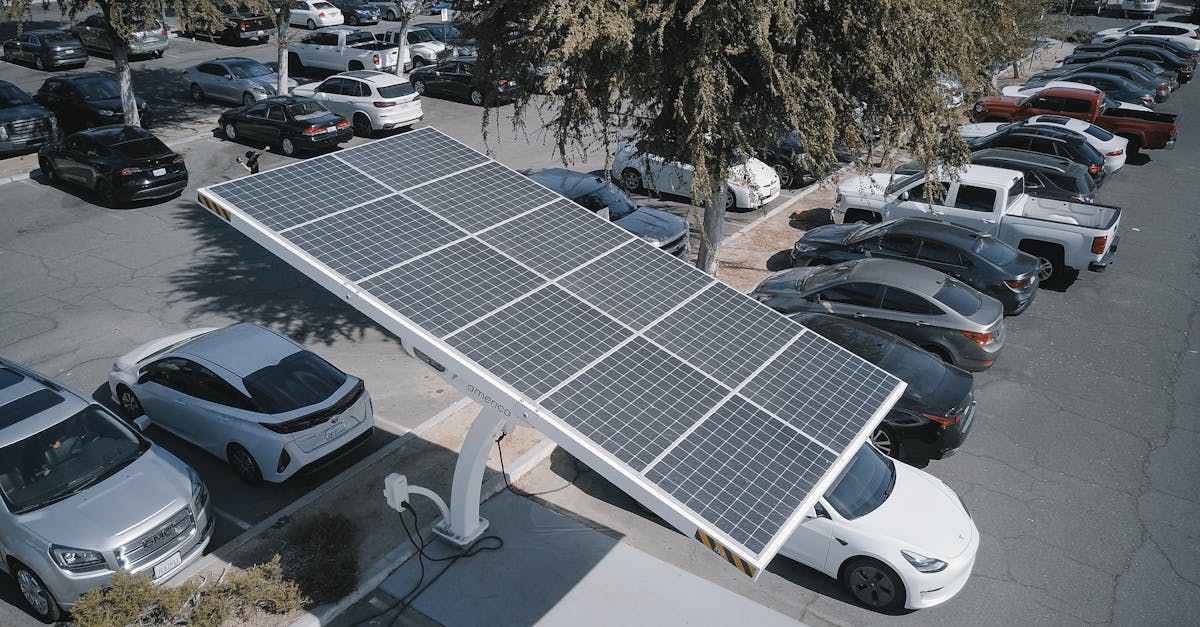
Photo by Kindel Media on Pexels
A public GitHub repository hosted secret CISA SSH keys and plaintext passwords for months. The breach shows how basic hygiene failures can endanger national‑level cyber defenses.
Ars Technica traced the exposed artifacts to a repository that remained open since November 2025. The files contained multiple private keys and clear‑text admin passwords used by the Cybersecurity and Infrastructure Security Agency. No remediation notice appeared in the agency’s public channels, and the repository was only taken down after a tip‑off. The incident forces a review of credential management practices across federal contractors.
CISA credentials exposed on GitHub
The repository’s owner was an independent security researcher who claimed the data was posted inadvertently. Ars Technica reported that the keys granted root‑level access to several internal CISA servers. The researcher’s statement did not address whether any malicious actor leveraged the keys before removal.
Federal auditors have long warned that credential sprawl creates attack surfaces. The CISA leak underscores that warning with concrete evidence. The agency now faces a congressional inquiry into its credential rotation policies. The inquiry could result in tighter mandatory controls for all federal code repositories.
Congress imposes $130 EV fee
The 2026 transportation bill sets a $130 annual charge for electric‑vehicle owners. Politicians framed the fee as a way for EV drivers to pay “their fair share for the use of our roads.”
The fee appears in the bill’s Section 4‑12 and applies to all plug‑in vehicles registered after January 1 2026. The legislation does not specify how the revenue will be allocated, but lawmakers cited infrastructure funding shortfalls as justification. Critics argue the charge penalizes low‑emission transportation without offering rebates or incentives. The bill passed the House with a narrow majority, and the Senate is expected to debate it next month.
CDC panel charter withdrawn
Robert F. Kennedy Jr. withdrew a charter that would have broadened membership of a CDC advisory panel. The proposed charter would have opened the panel to individuals who dispute mainstream vaccine science.
Ars Technica noted that the charter’s language would have expanded eligibility to “anti‑vaccine quacks” and shifted the panel’s focus toward alleged injuries rather than epidemiological data. The withdrawal came after intense pushback from public‑health officials who warned the move could undermine confidence in CDC guidance. No replacement charter has been filed, leaving the panel’s composition unchanged.
Minnesota bans prediction markets
Minnesota enacted a law prohibiting all forms of prediction markets within the state. The ban targets platforms that allow wagering on political or economic outcomes.
Engadget reported that the Commodity Futures Trading Commission has already sued to block the state’s ban, arguing it conflicts with federal jurisdiction over derivatives. The CFTC’s complaint cites the Commodity Exchange Act, which preempts state regulation of such markets. Minnesota officials defended the ban as a consumer‑protection measure, citing concerns about market manipulation and gambling addiction.
Broader regulatory friction in 2026
These four developments reveal a pattern of policy makers confronting emerging technologies with blunt tools. The CISA leak shows that even agencies tasked with cyber defense can stumble on basic security hygiene. The EV fee demonstrates a willingness to impose new financial burdens without clear reinvestment pathways. The CDC charter episode highlights the tension between scientific authority and political activism. Minnesota’s prediction‑market ban illustrates the clash between state‑level consumer protection and federal market oversight.
Together, the incidents suggest that 2026 will be a testing ground for how quickly institutions can adapt to technical realities. Agencies may face tighter audits, legislators may draft more granular statutes, and courts may become battlegrounds for jurisdictional disputes. The trajectory points toward a more fragmented regulatory environment where each sector must negotiate its own compliance frontier.
What to watch – Track the House Transportation Committee’s next hearing on the EV fee, the Senate’s vote on the bill, the CFTC’s progress in its lawsuit against Minnesota, and any follow‑up audits announced by CISA. Each decision will signal how regulators balance innovation, security, and public interest in the months ahead.
Updates
Related Articles

Anthropic Plans to Pace AI Frontier as US Labs Push Open‑Weight
Anthropic's CEO outlines a pacing strategy while Garry Tan urges US labs to distill frontier models, sparking pushback from mathematicians worried about AI's reach.
Europe Goes Solo on Venus Mission as NASA Shifts Funding Focus
NASA pulls a radar instrument, prompting Europe to pursue its Venus probe alone while the agency asks states for money.

NOAA’s fishing-first agenda threatens marine science
NOAA’s new policy shifts priority to commercial fishing, prompting critics to warn of weakened science rules and broader implications for environmental governance.