

Supreme Court Weighs $8B Rural Phone and Internet Subsidy

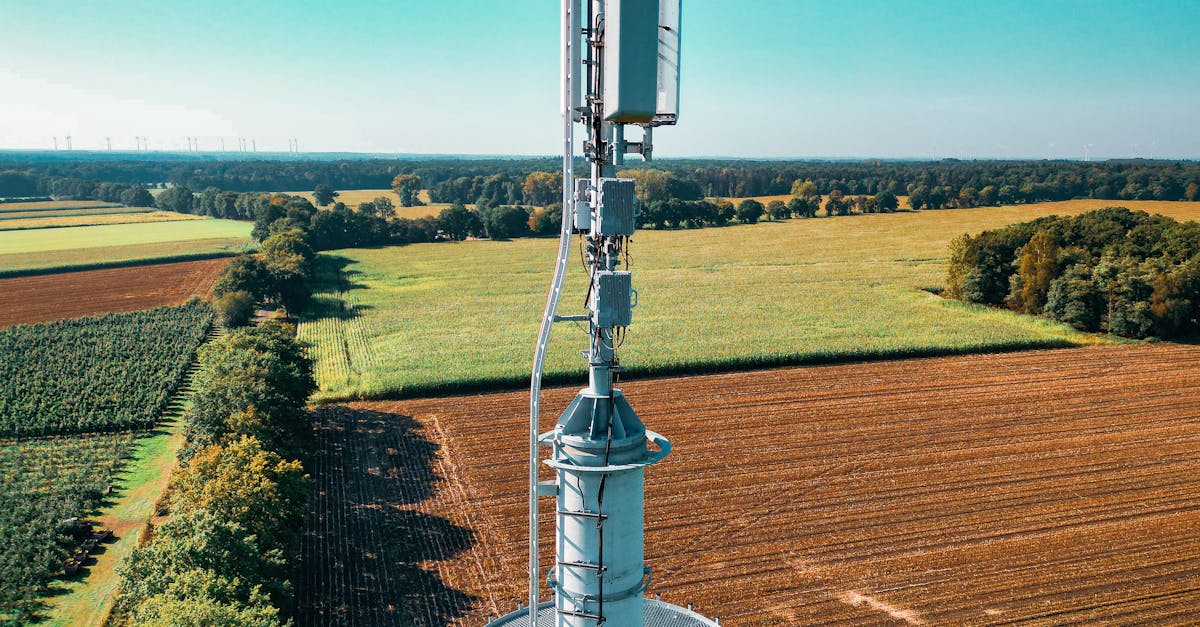
Photo by Sascha Weber on Pexels
Rural Broadband Subsidy Hangs in the Balance
The Supreme Court is set to decide on the $8 billion annual program subsidizing phone and internet services in schools, libraries, and rural areas. The Universal Service Fund, created in 1996, is funded through a 5% surcharge on telecommunications providers. This fund has been instrumental in bridging the digital divide, particularly in rural areas where commercial providers often do not offer affordable services.
The Universal Service Fund’s impact on rural areas cannot be overstated. For instance, rural schools might struggle to afford internet services, potentially hindering their ability to provide students with access to digital resources and online learning platforms. Moreover, the lack of affordable internet services in rural areas can have far-reaching consequences, including limited access to healthcare services, reduced economic opportunities, and decreased quality of life.
The Nondelegation Doctrine Takes Center Stage
The Supreme Court’s decision hinges on the nondelegation doctrine, which prohibits Congress from delegating legislative power to executive agencies. While courts have applied this doctrine in various cases, its use in striking down federal laws is nuanced. The doctrine’s application here centers on whether Congress has provided sufficient guidance to the Federal Communications Commission (FCC) in setting the Universal Service Fund’s parameters.
The nondelegation doctrine has been the subject of much debate, with some arguing that it is essential to preventing the concentration of power in the executive branch. Others argue that it can hinder the ability of regulatory agencies to effectively address complex issues. In this case, the Supreme Court’s decision will have significant implications for the future of regulatory power in the United States.
Implications for Rural Broadband
The program’s fate has significant consequences for rural areas, where access to affordable phone and internet services remains a challenge. A ruling against the program could leave rural communities without access to vital communication services, impacting school and library connectivity budgets.
Rural areas are not the only ones affected by the Universal Service Fund. Urban areas also benefit from the program, particularly in areas where commercial providers do not offer affordable services. For example, low-income households in urban areas may rely on the Universal Service Fund to access affordable internet services, which are essential for education, healthcare, and employment.
History of the Universal Service Fund
The Universal Service Fund has its roots in the 1996 Telecommunications Act, which aimed to promote universal service, defined as ‘an evolving level of services’ that includes voice and data services. Over the years, the fund has supported various initiatives, including the E-Rate program for schools and libraries, and the Rural Health Care program. Understanding the historical context of the Universal Service Fund provides insight into the significant role it plays in supporting communication services across the United States.
The Universal Service Fund has undergone significant changes since its inception. For example, the fund has shifted from supporting traditional voice services to supporting broadband services. This shift reflects the changing nature of communication services and the increasing importance of broadband access in modern life.
Technical Mechanics of the Universal Service Fund
The Universal Service Fund operates through a complex mechanism involving contributions from telecommunications providers and disbursements to eligible recipients. The FCC, through its Universal Service Administrative Company (USAC), oversees the fund’s administration. The fund’s financial structure relies on a 5% surcharge on interstate and international telecommunications services. This surcharge is then used to support various programs aimed at ensuring universal service.
The technical mechanics of the Universal Service Fund are critical to its success. For example, the fund’s contribution mechanism ensures that telecommunications providers contribute to the fund based on their interstate and international telecommunications services. This mechanism helps to ensure that the fund is sustainable and that it can continue to support universal service initiatives.
Downstream Implications
The Supreme Court’s decision will have far-reaching implications for the future of rural broadband access. If the court rules in favor of the program’s constitutionality, it could set a precedent for future regulatory actions. Conversely, a ruling against the program could lead to a reevaluation of how the government supports universal service. The decision may also influence the strategies of telecommunications providers and advocacy groups seeking to shape the future of broadband access in rural areas.
The downstream implications of the Supreme Court’s decision will be significant. For example, a ruling in favor of the program’s constitutionality could lead to increased investment in rural broadband infrastructure. Conversely, a ruling against the program could lead to decreased investment in rural broadband infrastructure, exacerbating the digital divide.
Industry Context
The Universal Service Fund is part of a broader effort to support universal service in the United States. Other initiatives, such as the Rural Digital Opportunity Fund (RDOF), also aim to support broadband access in rural areas. The RDOF provides funding for broadband infrastructure projects in rural areas, helping to bridge the digital divide.
The RDOF is an important initiative, but it is not without its challenges. For example, the program has faced criticism for its slow pace of deployment and its lack of transparency. Despite these challenges, the RDOF remains an essential program for supporting broadband access in rural areas.
What’s Next
The Supreme Court is expected to issue a ruling in the coming months. The case, heard during the Trump administration, highlights the ongoing debate over the program’s constitutionality and its implications for rural broadband access. The outcome will likely have significant consequences for the millions of Americans who rely on the Universal Service Fund for their communication services.
The Supreme Court’s decision will have far-reaching implications for the future of regulatory power in the United States. It will also have significant consequences for rural communities, which rely on the Universal Service Fund for access to vital communication services. As the court considers the case, it will be essential to consider the potential implications of its decision and to ensure that the Universal Service Fund continues to support universal service initiatives.
Updates
Related Articles

Googlebook challenges Apple’s retail play as Mac Studio prices
Google’s $899 AI‑native laptop and Apple’s store‑first philosophy clash amid rising component costs and AI‑driven hardware bets.

Xiaomi MiMo 2.6, Grok 4.7, and a Wave of Mid‑Month Tech Setbacks
A roundup of Xiaomi's MiMo 2.6 launch, x.ai's Grok 4.7 update, NASA's Mars Sample Return cancellation, and other mid‑September tech headlines.

Apple's rapid RC rollout pressures macOS developers
Apple released second release candidates for macOS Tahoe and Sequoia, while beta streams for Golden Gate and iOS 27.2 accelerate, sparking developer strain and highlighting ecosystem frictions.