

Ancient lives unearthed by modern tech

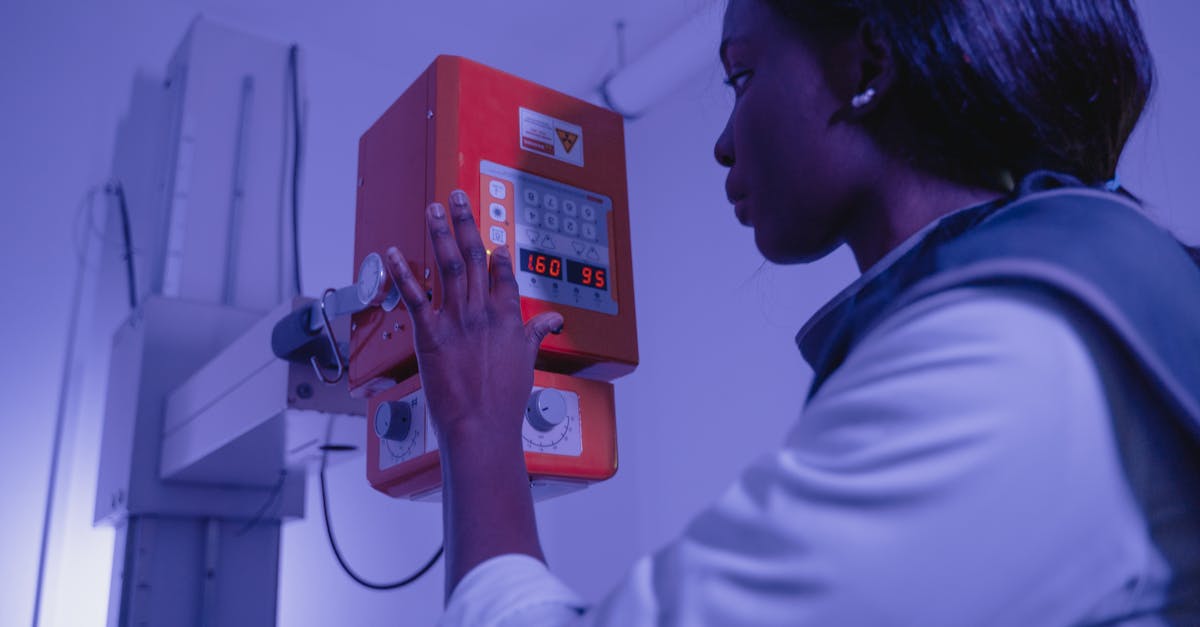
Photo by Tima Miroshnichenko on Pexels
A wave of new bodies and blades
The latest batch of archaeological revelations reads like a tech‑savvy treasure hunt. A Roman‑era doctor, a Bronze Age sword, and a Viking‑age Odin amulet all emerged thanks to imaging tools and hobbyist detectors.
New X‑rays and CT scans of a Pompeii skeleton uncovered a small locked case stuffed with metal instruments, suggesting the victim was likely a physician. In Venice, PhD student Vittoria Dall’Armellina identified a 17‑inch arsenical‑bronze sword dating back 5,000 years in the Saint Lazarus monastery’s museum. Half a world away, Danish farmer‑detectorist Ole Ginnerup Schytz unearthed 14 gold disks and a bracteate bearing the oldest known inscription of Odin after a routine field sweep in December 2020.
Imaging the past
CT and X‑ray imaging turned a typical Pompeian burial into a forensic case file. The scans revealed a miniature lockbox holding surgical tools—a rarity that hints at professional medical practice in a city frozen by ash. The technology also let researchers share the find without moving fragile bone, preserving context for future study.
In the Venetian case, chemical analysis performed with the University of Padua confirmed the sword’s arsenical‑bronze composition, a hallmark of the late 4th to early 3rd millennium BC. The alloy matches specimens from the Royal Palace of Arslantepe and the Tokat Museum, linking the blade to a broader Bronze Age network of elite weaponry.
Denmark’s experiment leans on something far simpler: metal detectors. Ginnerup’s birthday‑gift detector led him to a Roman‑style medallion, a set of gold disks, and the Odin bracteate. The find demonstrates how inexpensive gear can surface objects that would otherwise stay buried for millennia.
What the artifacts say
The Pompeii case reshapes our view of ancient healthcare. A locked container of tools implies a level of professional secrecy and perhaps an early form of portable surgical kit, contradicting the assumption that Roman doctors operated solely in public spaces.
The 5,000‑year‑old sword adds weight to the theory that early swords were symbols of authority as much as weapons. Professor Elena Rova notes that such blades signified royalty and sovereignty long before medieval legends like King Arthur cemented the trope.
The Odin bracteate pushes the Norse god’s written record back 150 years, offering concrete proof that Odin worship was already codified during the early Viking Age. The inscription, “He is Odin’s man,” links mythic narrative to tangible cultural practice.
A new archaeological model
Denmark’s policy of deputizing private detectorists has turned hobbyists into a national research asset. More than 20,000 items are turned in each year, filling gaps that neighboring countries, which restrict metal detecting, simply cannot map.
The model blurs the line between amateur and professional, but it also raises questions about provenance and curation. While the influx of finds overwhelms curators, it also democratizes heritage, giving citizens a stake in reconstructing their past.
What to watch: Denmark plans to expand its detectorist program to coastal sites next spring, potentially exposing more Roman and early medieval trade goods. Meanwhile, the Pompeii team will publish a detailed report on the surgical kit later this year, and Dall’Armellina’s sword is slated for a museum exhibition in early 2027. Tracking those releases will show whether tech‑driven archaeology can keep pace with the flood of new data.
Updates
Related Articles
Microsoft, Lyft, Samsung and Honor Shift Audience and Device Play
Microsoft pushes fan-community features, Lyft trains drivers to service Waymo fleets, Samsung advises Apple on foldables, and Honor’s robot phone sparks niche demand.

DoD disables ad tracking on soldiers after hostile location
The Pentagon halted advertising IDs on service members' phones after intelligence linked location data to enemy attacks, raising privacy and security stakes.

Hyperloop Test Track Breaks Ground as Uber Rolls Out London
Hyperloop Transportation Technologies begins building a five‑mile test tube in Quay Valley while Uber launches supervised robotaxis in London, highlighting a new wave of autonomous transport.