

Sustainable Building

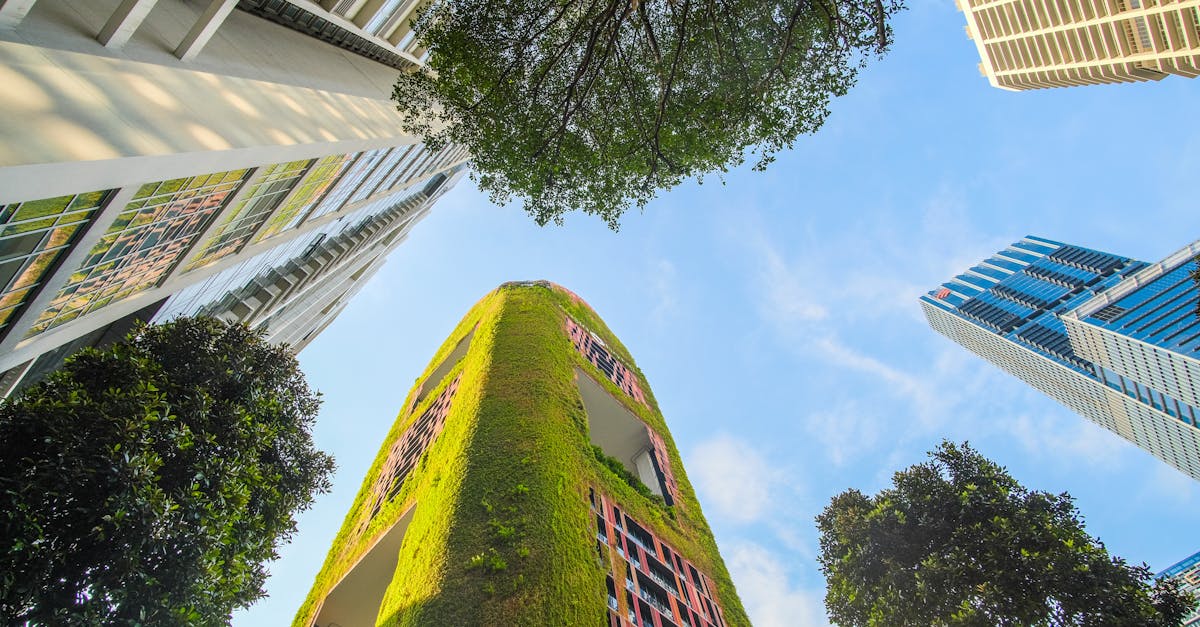
Photo by Calvin Seng on Pexels
Introduction to Sustainable Building
The construction sector is one of the largest contributors to global CO₂ emissions, accounting for around 40 percent of the total. As the world shifts towards more sustainable practices, the development of eco-friendly building materials has become a key area of focus. In this article, we will explore some of the innovative materials and technologies that are being used to reduce the environmental impact of the construction industry.
Fungi-Based Building Materials
Researchers at the Karlsruhe Institute of Technology (KIT) are investigating the use of fungi-based building materials as a sustainable alternative to traditional materials. The newly approved Collaborative Research Center 1743 “MYCO-BUILD” is examining the properties of these materials, including their mechanical, thermal, acoustic, and structural properties. The long-term goal is to lay the foundation for products for the construction industry.
The use of fungi-based building materials has several potential benefits, including reduced CO₂ emissions, improved insulation, and increased durability. These materials can also be produced using local waste biomass, reducing the need for transportation and supporting local economies.
Transparent Metamaterials
Another innovative material being developed for the construction industry is a transparent metamaterial that can efficiently regulate light and temperature. This material, developed by researchers at KIT, allows sunlight to enter while maintaining a comfortable indoor climate without additional energy. It also has self-cleaning properties, similar to a lotus leaf, making it easy to maintain and durable.
The material has the potential to replace glass components in walls and roofs, providing a more sustainable and energy-efficient solution for buildings. It can also be used in greenhouses, where it can increase yields by up to 9 percent compared to traditional glass roofs.
Lego-Like Bricks Made From Rubble
In Gaza, Palestinians are using an innovative approach to rebuild their homes using Lego-like bricks made from rubble. The bricks are made by crushing debris into interlocking blocks, which can be used to build shelters and other structures. This approach not only provides a sustainable solution for rebuilding but also helps to clear the rubble from the streets, improving safety and reducing the risk of injury.
Industry Context and History
The construction industry has a long history of innovation, from the development of new materials like concrete and steel to the use of advanced technologies like 3D printing. However, the industry has also been criticized for its environmental impact, with many traditional building materials contributing to greenhouse gas emissions and waste.
In recent years, there has been a growing trend towards sustainable building practices, with many companies and organizations investing in the development of eco-friendly materials and technologies. This shift is driven by increasing demand from consumers and governments for more sustainable and environmentally friendly buildings.
The construction industry’s environmental impact is significant, with the production of cement, steel, and other materials accounting for a substantial portion of global emissions. For example, the production of cement alone accounts for around 8% of global CO₂ emissions. The use of sustainable building materials and technologies can help reduce this impact.
Technical Mechanics
The development of fungi-based building materials and transparent metamaterials involves complex technical processes. For example, the production of fungi-based materials requires a deep understanding of mycology and the ability to cultivate and manipulate fungi to create the desired properties. Similarly, the development of transparent metamaterials requires advanced knowledge of materials science and nanotechnology.
The technical mechanics of these materials are crucial to their success. For instance, the ability of fungi-based materials to self-heal and adapt to different environments is a key factor in their potential for sustainable building. Similarly, the self-cleaning properties of transparent metamaterials are essential for their use in buildings and greenhouses.
Downstream Implications
The adoption of sustainable building materials and technologies will have significant downstream implications for the construction industry and the environment. For example, the use of fungi-based materials could reduce the demand for traditional building materials, leading to a decrease in greenhouse gas emissions and waste. Similarly, the use of transparent metamaterials could increase energy efficiency in buildings, reducing the need for heating and cooling systems.
The decision by regulators and industry leaders to adopt more sustainable building practices will have a significant impact on the environment and the construction industry as a whole. If done correctly, it could lead to a reduction in greenhouse gas emissions, improved public health, and increased economic benefits. However, if not done correctly, it could lead to increased costs, reduced efficiency, and a lack of adoption.
What to Watch
As the construction industry continues to evolve, we can expect to see more innovative materials and technologies being developed and implemented. Some key areas to watch include the use of fungi-based building materials, transparent metamaterials, and other sustainable solutions. We can also expect to see increased investment in research and development, as well as more stringent regulations and standards for sustainable building practices.
The future of sustainable building is likely to be shaped by a combination of technological innovation, regulatory developments, and changing consumer preferences. As consumers become more aware of the environmental impact of buildings, they are likely to demand more sustainable solutions, driving innovation and adoption in the industry.
Updates
- 2026-09-15 — Samsung’s taking a “More is More” approach to foldable competition (source)
Related Articles

Googlebook challenges Apple’s retail play as Mac Studio prices
Google’s $899 AI‑native laptop and Apple’s store‑first philosophy clash amid rising component costs and AI‑driven hardware bets.

Xiaomi MiMo 2.6, Grok 4.7, and a Wave of Mid‑Month Tech Setbacks
A roundup of Xiaomi's MiMo 2.6 launch, x.ai's Grok 4.7 update, NASA's Mars Sample Return cancellation, and other mid‑September tech headlines.

Apple's rapid RC rollout pressures macOS developers
Apple released second release candidates for macOS Tahoe and Sequoia, while beta streams for Golden Gate and iOS 27.2 accelerate, sparking developer strain and highlighting ecosystem frictions.