

OpenAI and Apple in Secret ChatGPT Deal

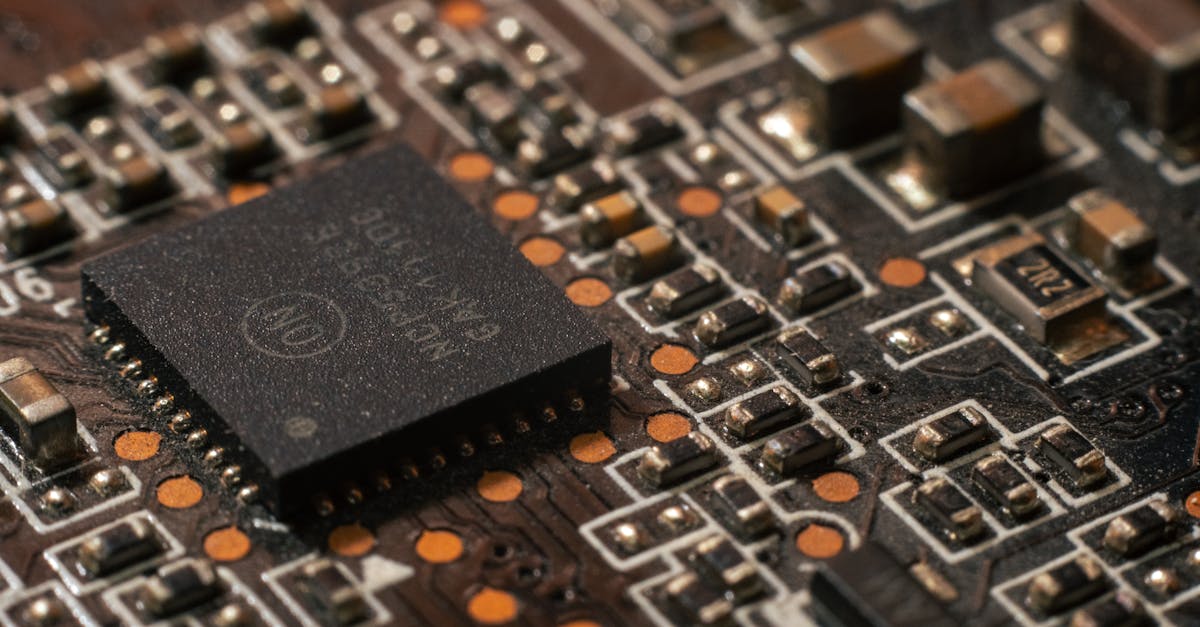
Photo by Ivan Chumak on Pexels
Court Orders Apple to Disclose ChatGPT Deal Details
A US court has ordered Apple to provide internal messages discussing its secretive ChatGPT deal with OpenAI. The decision is part of an antitrust lawsuit filed by xAI against Apple and OpenAI.
The lawsuit, which seeks to shed light on the terms of the ChatGPT integration, has led to the addition of Craig Federighi, Apple’s Senior Vice President of Software Engineering, as a document custodian. This means that Federighi will have to provide documents related to the deal.
The ChatGPT Integration: A Point of Contention
According to sources, OpenAI feels “burned” by Apple’s ChatGPT integration, which they perceive as lacking in quality. The integration, which was announced earlier this year, allows users to access ChatGPT directly from their Apple devices.
However, the partnership has reportedly caused tension between the two companies, with OpenAI insiders expressing frustration over Apple’s implementation. The details of the deal remain unclear, but the court order suggests that Apple may have made concessions to secure the integration.
AI Chip Hoarding: A Growing Trend
The dispute between OpenAI and Apple comes amid a growing trend of companies hoarding AI chips, particularly Nvidia’s H100 GPUs. Meta, for example, has stockpiled 350,000 H100s, worth over $10 billion, for its AI training infrastructure.
Other companies, including Tesla, xAI, and venture capital firm Andreessen Horowitz, are also accumulating large quantities of the coveted chips. The demand for H100s has become so intense that people are being paid to sneak them into China to bypass US export controls.
Broader Industry Context
The AI chip shortage has significant implications for the industry, with many companies struggling to secure the necessary hardware to train their models. This trend is particularly notable in the context of the growing demand for AI-powered products and services.
Companies like Meta, Google, and Microsoft are investing heavily in AI research and development, and the availability of AI chips is becoming a major bottleneck. The shortage may lead to a shift in the balance of power between companies, with those controlling the chip supply holding a significant advantage.
The AI chip market is vast, with estimates suggesting that the global market will reach $100 billion by 2025. The demand for AI chips is driven by the growing need for AI-powered products and services, from virtual assistants to self-driving cars.
History of AI Chip Development
The development of AI chips has been a rapidly evolving field in recent years. Nvidia’s H100 GPUs, in particular, have become a crucial component in many AI training infrastructure.
The H100 was first announced in 2022, and since then, it has become one of the most popular AI chips on the market. The chip’s high performance and efficiency have made it a favorite among AI researchers and developers.
Nvidia’s dominance in the AI chip market is due in part to its early mover advantage. The company has been developing AI chips for over a decade and has established a strong reputation for producing high-quality products.
Technical Mechanics of AI Chip Design
The design of AI chips like Nvidia’s H100 GPUs is a complex process that involves significant expertise in computer architecture, electrical engineering, and software development.
The H100 GPU, for example, is designed to handle the massive parallel processing required for AI training. The chip’s architecture is optimized for high performance and low power consumption, making it an ideal choice for AI researchers and developers.
The H100 GPU is built on Nvidia’s latest architecture, which provides a significant boost in performance and efficiency. The chip features 1456 CUDA cores, 72 Tensor Cores, and 24 GB of HBM3 memory.
Downstream Implications
The AI chip shortage has significant implications for the industry, with many companies struggling to secure the necessary hardware to train their models. The situation may lead to a shift in the balance of power between companies, with those controlling the chip supply holding a significant advantage.
As the AI landscape continues to evolve, it remains to be seen how the dispute between OpenAI and Apple will play out. One thing is certain, however: the stakes are high, and the consequences of this battle will be far-reaching.
The AI chip shortage may also lead to increased investment in alternative chip architectures, such as Google’s Tensor Processing Units (TPUs) or Intel’s Nervana Neural Stick.
What’s Next
The court order is a significant development in the ongoing lawsuit between xAI and Apple/OpenAI. As the case unfolds, we can expect to learn more about the terms of the ChatGPT deal and its implications for the AI industry.
In the meantime, tech enthusiasts should keep an eye on the AI chip market and the growing tensions between major players. The next significant development in this space could come from a major AI breakthrough or a shift in the balance of power between companies controlling the chip supply.
The AI industry is rapidly evolving, and the stakes are high. As companies continue to invest in AI research and development, the demand for AI chips will only continue to grow.
Updates
Related Articles


OpenAI Overhauls ChatGPT Amid macOS Security Push
OpenAI revamps ChatGPT while updating macOS apps due to a third-party security flaw, sparking questions about its roadmap.

Florida Sues OpenAI Over ChatGPT's Role in Violent Incidents
OpenAI sued over ChatGPT's alleged role in violent incidents