Instagram's New Map Feature Raises Privacy Concerns

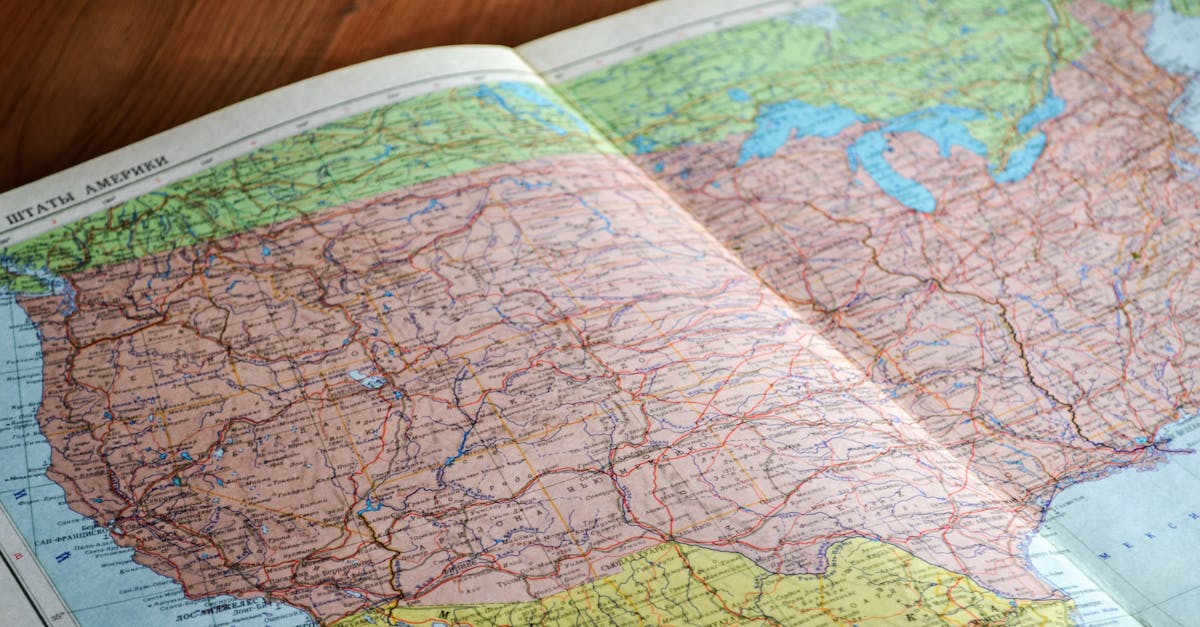
Photo by John-Mark Smith on Pexels
Instagram’s New Map Feature Raises Privacy Concerns
Instagram has launched a new feature that allows users to share their location with friends, a move that has raised concerns about user privacy. The feature, called Instagram Map, lets users opt-in to sharing their last active location with friends they choose.
How it Works
The feature is similar to Snapchat’s popular Snap Map feature, which has been active since 2017. Instagram’s version allows users to share their location with friends and vice versa. The feature is currently available in the US and will be rolled out globally. According to Instagram, any content with a location tagged can show up on the map, including posts, stories, and reels.
Privacy Concerns
However, the feature has raised concerns about user privacy. Meta’s past controversies and financial incentives have led to questions about the safety of sharing location data. Location tracking through social media tools is fairly simple and uses GPS technology in smartphones to locate users. While users can control if and when they share their GPS location, it’s unclear whether the app will switch on location services if users visit the map feature multiple times.
Implications
Sharing location data freely via Instagram or other platforms may not feel invasive, but it has far-reaching consequences. Advertisers can use location data to create detailed digital profiles of users and market to them accordingly. Additionally, governments can also access location data, raising concerns about surveillance.
Industry Context
The social media landscape has become increasingly competitive, with platforms vying for users’ attention. Snapchat’s Snap Map feature has been a popular tool for users to share their location with friends. Instagram’s new feature is likely a response to this, but it also raises questions about the company’s approach to user data.
In recent years, social media platforms have faced criticism for their handling of user data. The Cambridge Analytica scandal, which involved Facebook, highlighted the risks of data misuse. Since then, platforms have faced increased scrutiny over their data practices.
History of Location Sharing
Location sharing is not a new concept on social media. In 2012, Instagram launched a feature called Photo Maps, which allowed users to share photos based on their location. The feature was discontinued, but Instagram has now revisited the idea with its new map feature.
Technical Mechanics
The technical mechanics behind Instagram’s map feature are similar to those of Snapchat’s Snap Map. Both features use GPS technology to locate users and allow them to share their location with friends. However, Instagram’s feature also allows users to share content with a location tagged, which can show up on the map.
Downstream Implications
The downstream implications of Instagram’s map feature are significant. Users who share their location data may be unaware of the potential risks, including data misuse and surveillance. Advertisers and governments may use location data to create detailed profiles of users, which can be used for targeted marketing and surveillance.
What’s Next
As Instagram continues to roll out its map feature, users should be aware of the potential risks associated with sharing their location data. The company should prioritize transparency and user control to mitigate these concerns. Users should also be cautious about sharing sensitive information, including their location, on social media platforms.
Future Developments
In the future, we can expect to see more features that allow users to share their location data. However, it’s crucial that platforms prioritize user control and transparency to avoid data misuse. Users should remain vigilant about the data they share and how it is used.
Conclusion and Consequence
The introduction of Instagram’s new map feature has significant implications for user privacy and data security. If not properly managed, the feature could lead to increased surveillance and data misuse. As the feature continues to roll out, it is essential that Instagram prioritizes user control and transparency to mitigate these risks.
Regulatory Environment
The regulatory environment surrounding social media platforms and user data is evolving rapidly. Governments and regulatory bodies are increasingly scrutinizing the data practices of social media companies. Instagram’s new map feature is likely to face scrutiny from regulators, and the company must ensure that it complies with relevant regulations and prioritizes user data protection.
User Responsibility
Ultimately, users have a responsibility to be aware of the potential risks associated with sharing their location data on social media platforms. By being cautious about the data they share and how it is used, users can help mitigate the risks of data misuse and surveillance. Instagram’s new map feature serves as a reminder of the importance of user awareness and responsibility in the digital age.
Updates
- 2026-05-23 — CISA tries to contain data leak (source)
Related Articles

Tech Updates
Google Messages introduces 'Tap to draft' for Smart Replies, Instagram's feed update sparks outrage

Snapchat Integrates Spotify for Real-Time Music Sharing
Share Spotify listening activity with friends