

Google's New Hardware and Software Plans

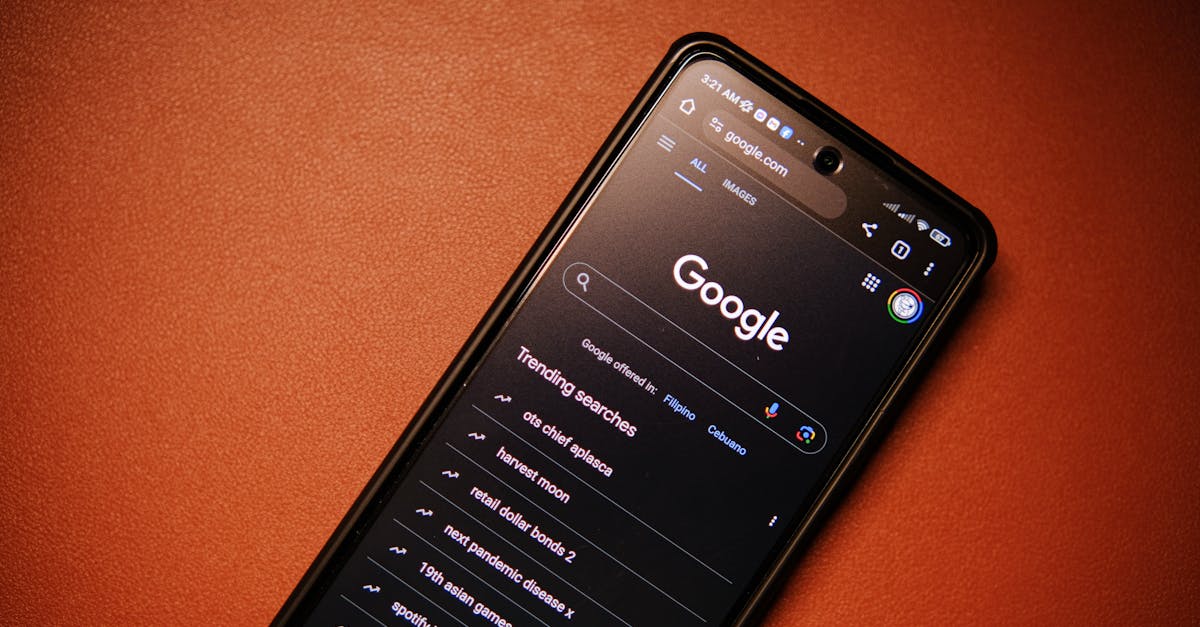
Photo by Click Jeth on Pexels
Google Home Display Emerges
Google is developing a new device called ‘Google Home Display’, which has appeared in the Google app code. This new device is expected to be similar to the Nest Hub. The ‘Google Home Display’ is likely to be a replacement for the Nest Hub, with similar functionality. Google has not officially announced the device, but its existence was revealed through code in the Google app.
The new device is expected to use Google’s Assistant technology to provide users with a seamless and intuitive experience. It may also integrate with other Google services, such as Google Home and Nest. This move is part of Google’s push into hardware development, which is driven by the company’s desire to create a more cohesive and integrated user experience across its devices.
Android’s Contextual Suggestions
Google is rolling out AI-powered ‘Contextual suggestions’ on Android, which analyze how users interact with their phones and provide personalized suggestions. This feature uses on-device AI to learn users’ habits and offer relevant suggestions. The ‘Contextual suggestions’ feature is expected to improve user experience on Android devices. Google has not provided further details on the feature, but it is likely to be available on devices running Android 12 and later.
The ‘Contextual suggestions’ feature has the potential to improve user experience on Android devices and make it easier for users to find what they need. For example, the feature may suggest relevant apps or settings based on a user’s behavior, such as suggesting a music app when a user is listening to music. This feature is also expected to be more efficient and effective than traditional recommendation systems, which often rely on server-side processing and can be slower and less responsive.
Other Google Updates
Google has announced several other updates, including the expansion of AirDrop-like Quick Share to more Android devices. The company has also confirmed that its ‘Gemini Intelligence’ updates will arrive on Samsung’s new Galaxy Z Fold 8 and other foldables first. Additionally, Google has released a statement on its commitment to Chromebooks, following the announcement of Googlebooks. The company has also provided a changelog for Samsung’s Android 17 update, One UI 9.
The expansion of Quick Share to more Android devices is expected to make it easier for users to share files and content between devices. This feature has been a popular addition to Android, and its expansion to more devices is likely to be well-received by users. The ‘Gemini Intelligence’ updates, meanwhile, are expected to bring new features and capabilities to Android devices, including improved performance and battery life.
Industry Context
Google’s push into hardware and software development is part of a larger trend in the tech industry. Companies like Apple and Amazon are also investing heavily in their own hardware and software ecosystems. The competition between these companies is driving innovation and improving user experience. As the tech industry continues to evolve, it will be interesting to see how Google and other companies adapt and respond to changing user needs.
The trend towards more integrated and cohesive hardware and software ecosystems is driven by the desire to create a seamless and intuitive user experience. Companies like Google, Apple, and Amazon are investing heavily in their own ecosystems, and the competition between them is driving innovation and improvement. This trend is also driven by the growing importance of artificial intelligence and machine learning in the tech industry, as companies seek to create more personalized and responsive experiences for users.
History of Google’s Hardware and Software Development
Google has a long history of developing hardware and software products, from its early work on Android to its more recent efforts on Chromebooks and Google Home. The company’s hardware and software development efforts are driven by its desire to create a more cohesive and integrated user experience across its devices. Google’s early work on Android, for example, was driven by the desire to create an open-source operating system that could be used by a wide range of devices.
Google’s more recent efforts on Chromebooks and Google Home have been driven by the desire to create a more seamless and intuitive user experience. Chromebooks, for example, are designed to provide users with a simple and easy-to-use laptop experience, while Google Home is designed to provide users with a seamless and intuitive smart speaker experience. These efforts demonstrate Google’s commitment to creating a more cohesive and integrated user experience across its devices.
Technical Mechanics
The ‘Google Home Display’ device is likely to use Google’s Assistant technology to provide users with a seamless and intuitive experience. The device may also integrate with other Google services, such as Google Home and Nest. The ‘Contextual suggestions’ feature on Android uses machine learning algorithms to analyze user behavior and provide personalized suggestions. This feature has the potential to improve user experience on Android devices and make it easier for users to find what they need.
The use of machine learning algorithms in the ‘Contextual suggestions’ feature is a key aspect of its technical mechanics. These algorithms are designed to analyze user behavior and provide personalized suggestions, and they are a key part of Google’s efforts to create a more personalized and responsive user experience. The integration of the ‘Google Home Display’ device with other Google services, such as Google Home and Nest, is also an important aspect of its technical mechanics, as it allows users to access a wide range of information and services from a single device.
What’s Next
The company is expected to announce more updates on its hardware and software plans in the coming months. One thing to watch is the official launch of the ‘Google Home Display’ device and the rollout of ‘Contextual suggestions’ on Android. As the tech industry continues to evolve, it will be interesting to see how Google and other companies adapt and respond to changing user needs.
The official launch of the ‘Google Home Display’ device and the rollout of ‘Contextual suggestions’ on Android are expected to be significant events in the tech industry. These updates have the potential to improve user experience on Android devices and make it easier for users to find what they need. They also demonstrate Google’s commitment to creating a more cohesive and integrated user experience across its devices, and its efforts to drive innovation and improvement in the tech industry.
Downstream Implications
The ‘Google Home Display’ device and the ‘Contextual suggestions’ feature on Android have significant downstream implications for the tech industry. These updates have the potential to improve user experience on Android devices and make it easier for users to find what they need. They also demonstrate Google’s commitment to creating a more cohesive and integrated user experience across its devices, and its efforts to drive innovation and improvement in the tech industry.
The downstream implications of these updates are also significant for other companies in the tech industry. The ‘Google Home Display’ device, for example, may pose a challenge to other companies that offer similar devices, such as Amazon’s Echo Show. The ‘Contextual suggestions’ feature on Android may also pose a challenge to other companies that offer similar features, such as Apple’s Siri suggestions. As the tech industry continues to evolve, it will be interesting to see how Google and other companies adapt and respond to changing user needs.
Updates
Related Articles
Google Must Ease Rival App Store Installs
Judge orders Google to simplify rival app store installs
Google Revamps Voice Search on Android
Google merges AI Mode, Search Live, and Song lookup
Pixel 11 Leaks Detail Storage, Battery Boost, UK Price Shift
Recent leaks detail Google's Pixel 11 upgrades: bigger batteries, higher starting storage. Price increase rumors circulate, with a unique 'technical drop' in UK pricing.