

Meta AI Arrives on WhatsApp with Private 'Incognito Chat'

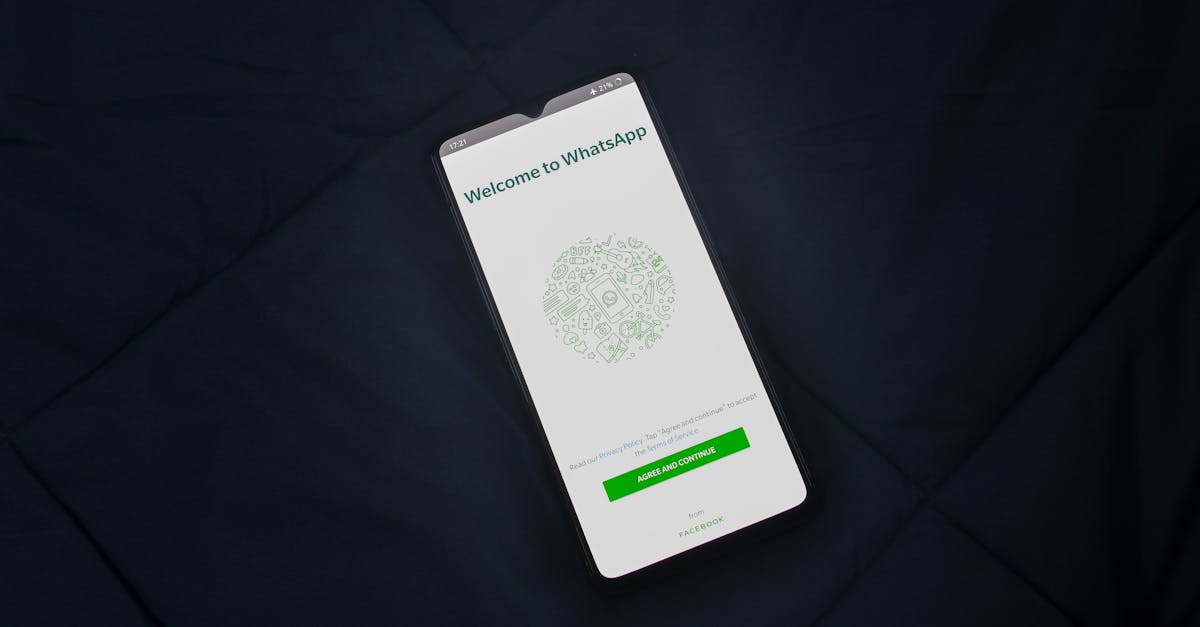
Photo by Rahul Shah on Pexels
Meta AI Launches on WhatsApp
Meta has introduced its AI chatbot, Meta AI, on WhatsApp, promising users private conversations. The new feature, called Incognito Chat, allows users to interact with the AI without anyone else, including Meta, accessing their conversations. This move aligns with Meta’s emphasis on user privacy, as personal messages and calls on Meta platforms remain end-to-end encrypted.
The rollout was confirmed by multiple sources, including WIRED and Engadget. According to WIRED, Incognito Chat ensures that “no one other than you will be able to read messages exchanged” with Meta AI.
How Incognito Chat Works
Incognito Chat on WhatsApp allows users to generate creative text formats, ask questions, and get answers. The AI can help with brainstorming sessions, generate poems, code snippets, scripts, and more. Currently, Meta AI can only read and respond to messages that directly mention “@Meta AI” in a group chat.
Industry Context
Meta’s push into AI-powered services is part of a larger trend. The company is joining Google, Microsoft, and other big names in developing ChatGPT-style AI. Mark Zuckerberg revealed plans to develop “AI personas” for Instagram, Messenger, and WhatsApp. The company is pooling its generative AI teams into a single group to “turbocharge” efforts in the emerging field.
The global chatbot market is growing rapidly, with a projected value of $10.5 billion by 2026. This growth is driven by increasing demand for automated customer service and the integration of AI-powered chatbots into various platforms. For instance, companies like IBM and Amazon are also investing heavily in chatbot technology, with IBM’s Watson Assistant and Amazon’s Lex being notable examples.
Moreover, the integration of AI-powered chatbots into messaging platforms like WhatsApp and Facebook Messenger is becoming increasingly popular. This trend is driven by the growing demand for conversational interfaces and the need for businesses to provide more personalized customer service.
Technical Mechanics
Meta recently released Llama 3, the latest version of its AI-powered large language models. This new model is at least 7 times larger than the previous version and promises to be much more efficient than rival ChatGPT-4. The integration of Llama 3 with WhatsApp’s Incognito Chat feature ensures that conversations remain private and secure.
Llama 3’s architecture is designed to prioritize efficiency and scalability. It uses a combination of natural language processing (NLP) and machine learning algorithms to understand and respond to user input. For example, Llama 3 can process and respond to user queries in multiple languages, making it a more versatile and effective chatbot.
What’s Next
As Meta continues to expand its AI capabilities, users can expect more features and functionalities. The company is likely to face scrutiny over its handling of user data and privacy concerns. With the recent news regarding Apple refusing to integrate Meta AI due to privacy concerns, it remains to be seen how Meta will address these issues. For now, users can look forward to exploring the capabilities of Meta AI on WhatsApp.
Future Developments
The development of AI personas for Instagram, Messenger, and WhatsApp is ongoing. Meta’s focus on creation and expression tools will likely lead to more innovative features. As the technology matures, users can expect even more exciting possibilities. However, ethical considerations around AI use are crucial, and Meta emphasizes transparency and user control.
Meta’s AI-powered services have the potential to transform the way users interact with technology. With its focus on private and secure conversations, Meta AI on WhatsApp is a significant step forward in the development of AI-powered chatbots.
What to Watch
The next step for Meta AI on WhatsApp is its full rollout and user adoption. As the feature expands beyond beta, users will be able to experience the capabilities of Meta AI firsthand. The company’s handling of user data and privacy concerns will be closely watched. Additionally, the integration of Meta AI with other Meta platforms, such as Instagram and Messenger, will be an important development to monitor.
The success of Meta AI on WhatsApp will depend on its ability to balance user privacy with the need for data collection and analysis. As the technology continues to evolve, users can expect more innovative features and functionalities from Meta AI.
History of AI-powered Chatbots
The concept of AI-powered chatbots has been around for several years. In 2016, Facebook introduced its Messenger chatbot platform, allowing businesses to create their own chatbots. Since then, the technology has evolved significantly, with the introduction of more advanced AI models like Google’s BERT and Meta’s Llama 3.
The development of AI-powered chatbots has also been driven by the growing demand for automated customer service. Companies like IBM and Amazon have invested heavily in chatbot technology, with IBM’s Watson Assistant and Amazon’s Lex being notable examples.
Downstream Implications
The integration of Meta AI with WhatsApp has significant implications for users and businesses. For users, Meta AI provides a more personalized and interactive experience, allowing them to generate creative content and get answers to their questions. For businesses, Meta AI provides a new channel for customer service and engagement, allowing them to interact with customers in a more personalized and efficient way.
However, the integration of Meta AI with WhatsApp also raises concerns about user data and privacy. As Meta continues to expand its AI capabilities, it will need to balance the need for data collection and analysis with the need to protect user privacy.
Updates
- 2026-09-14 — macOS 27 is available now (source)
- 2026-08-18 — Ask HN: Does anyone else feel like nothing matters anymore? (source)
- 2026-08-08 — Census Proposal Would Stop Counting Undocumented Immigrants—and Ignore Race and Sexual Orientation (source)
- 2026-08-07 — Judge rules Meta caused “public nuisance” and must fund mental health treatment (source)
- 2026-05-13 — WhatsApp now lets you have incognito conversations with Meta AI (source)
Related Articles
Tech Updates
Google Messages introduces 'Tap to draft' for Smart Replies, Instagram's feed update sparks outrage

Mach's $1.8B Leap, Surface Ultra's Mac Challenge, and UI Wars
Mach Industries reaches $1.8B valuation, Microsoft rolls out a MacBook Pro rival, Apple revives hashmoji on X, and WhatsApp extends its Liquid Glass UI to macOS.

Tech Updates Spark Outrage
Instagram and WhatsApp updates cause user backlash, while Apple's gold smartwatch becomes obsolete