

Tech Giants Invest in AI Cybersecurity


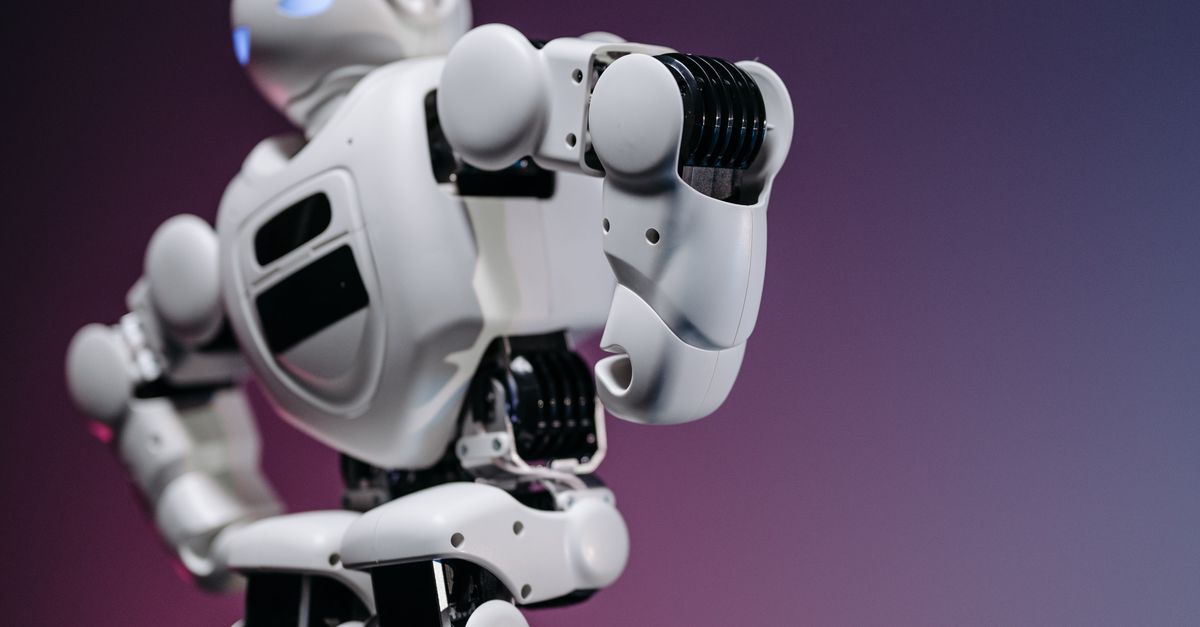
Photo by Jakub Zerdzicki on Pexels
OpenAI Takes on Cybersecurity with Daybreak
OpenAI has launched Daybreak, an AI initiative focused on detecting and patching vulnerabilities before attackers find them. Daybreak uses GPT-5.5 and Codex Security to create a threat model based on an organization’s code and focus on possible attack paths. The launch comes just over a month after rival Anthropic announced Claude Mythos, a security-focused AI model.
The Daybreak initiative is significant because it highlights the growing importance of AI in cybersecurity. By leveraging AI, companies can identify and patch vulnerabilities more efficiently, reducing the risk of cyber attacks. This is particularly important in the digital landscape, where the number of cyber threats is increasing rapidly.
Google Reports AI-Aided Hacking
Google revealed that criminal hackers used AI to find a major software flaw. The incident highlights the need for more advanced security measures. This is not the first time AI has been used for malicious purposes, and it is likely that we will see more such incidents in the future.
The use of AI in hacking is a concern for companies, as it can make it easier for attackers to find vulnerabilities. However, it also presents an opportunity for companies to use AI to improve their security measures. By leveraging AI, companies can stay one step ahead of hackers and protect their systems and data more effectively.
Corporate Moves
Robinhood has filed confidentially for its second venture fund, targeting growth and early-stage startups. GM has laid off hundreds of IT workers to hire those with stronger AI skills, specifically in AI-native development, data engineering, cloud-based engineering, agent and model development, prompt engineering, and new AI workflows.
The move by GM is significant, as it highlights the growing importance of AI skills in the job market. As companies increasingly rely on AI, they need employees with the skills to develop and implement AI solutions. This is likely to lead to a shift in the job market, with more companies looking for employees with AI skills.
Industry Context
The AI cybersecurity market is growing rapidly, with more companies investing in AI-powered security solutions. This is driven by the increasing number of cyber threats and the need for more advanced security measures. The market is expected to continue growing in the coming years, as more companies adopt AI-powered security solutions.
The growth of the AI cybersecurity market is also driven by the increasing use of AI in hacking. As hackers become more sophisticated, companies need to use AI to stay one step ahead. This has led to a cat-and-mouse game, with hackers using AI to find vulnerabilities and companies using AI to patch them.
Technical Mechanics
The Daybreak initiative uses GPT-5.5 and Codex Security to create a threat model based on an organization’s code. This is a significant advancement in AI-powered security, as it allows companies to identify and patch vulnerabilities more efficiently. The use of GPT-5.5 and Codex Security also highlights the growing importance of AI in cybersecurity.
The technical mechanics of the Daybreak initiative can be broken down into several key components. The first component is the use of GPT-5.5, which is a powerful AI model that can analyze large amounts of data. The second component is the use of Codex Security, which is a security-focused AI model that can identify vulnerabilities. The third component is the use of machine learning algorithms, which can analyze data and identify patterns.
Downstream Implications
The launch of the Daybreak initiative has significant implications for the cybersecurity industry. It highlights the growing importance of AI in cybersecurity and the need for more advanced security measures. It also presents an opportunity for companies to use AI to improve their security measures and stay one step ahead of hackers.
The downstream implications of the Daybreak initiative are far-reaching, and they will likely be felt across the entire cybersecurity industry. As more companies adopt AI-powered security solutions, we can expect to see a significant reduction in the number of cyber attacks. We can also expect to see a shift in the job market, with more companies looking for employees with AI skills.
History of AI in Cybersecurity
The use of AI in cybersecurity is not new, but it has gained significant attention in recent years. The increasing number of cyber threats and the need for more advanced security measures have driven the adoption of AI-powered security solutions. Companies like OpenAI and Anthropic are at the forefront of this trend, with initiatives like Daybreak and Claude Mythos.
The history of AI in cybersecurity is marked by several key milestones. One of the earliest uses of AI in cybersecurity was in the development of intrusion detection systems. These systems used machine learning algorithms to identify patterns in network traffic and detect potential threats. Since then, the use of AI in cybersecurity has expanded to include a wide range of applications, from vulnerability assessment to incident response.
Broader Industry Context
The AI cybersecurity market is part of a larger trend towards the adoption of AI in various industries. The use of AI in industries like healthcare, finance, and transportation is becoming increasingly common, and cybersecurity is no exception. The growing importance of AI in cybersecurity is driven by the need for more advanced security measures and the increasing number of cyber threats.
The broader industry context of the AI cybersecurity market is also influenced by the increasing use of cloud computing and the Internet of Things (IoT). These technologies have created new vulnerabilities and increased the attack surface, making it more important than ever for companies to use AI-powered security solutions. As the use of AI in cybersecurity continues to grow, we can expect to see new innovations and applications emerge, from AI-powered incident response to AI-driven security orchestration.
Related Articles

OpenAI Completes $7B Employee Tender, Launches New Cyber Model
OpenAI tender and new cyber model

Recent Breaches Highlight New Threats
Exploits of AI support tools, supply-chain channels, and OT systems