

Wearable Health Tech Advances with New Features and Partnerships

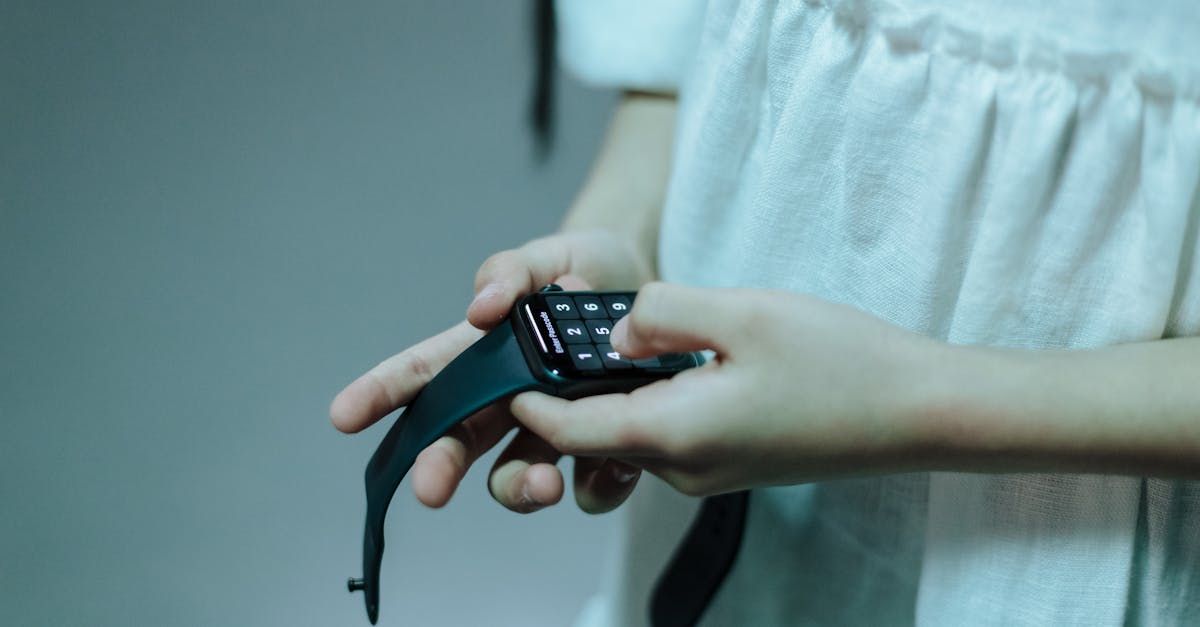
Wearable Health Technology Sees Major Advances
The wearable technology market is poised for significant growth, with a projected valuation of $185 billion by 2030. Recent developments in the health and fitness space have seen Whoop and ZenoWell expanding their offerings with new features and partnerships. According to a report by Wissen Research, the global wearable technology market is projected to grow from USD 92 billion in 2025 to USD 185 billion by 2030, registering a CAGR of 15% during the forecast period.
Whoop to Offer In-App Video Consultations
Whoop, a popular wearable technology company, is set to offer users in-app video consultations with licensed clinicians. This feature will allow users to access health advice and guidance directly from their wearable device. Clinicians will be able to see users’ health data, providing a more comprehensive understanding of their health and wellbeing. The move is expected to enhance the overall user experience, providing users with more personalized and timely health advice.
ZenoWell and USound Partner on Advanced Sensing Technologies
ZenoWell, a wearable neurotechnology company, has partnered with USound to explore advanced sensing technologies for next-generation wearable devices. The partnership will focus on ear-based sensing technologies, which offer a promising site for physiological monitoring. ZenoWell’s wearable devices are designed to support sleep quality, stress relief, and overall nervous system balance through non-invasive ear-based vagus nerve stimulation. The integration of USound’s advanced sensing technologies is expected to enhance the accuracy and effectiveness of ZenoWell’s devices.
Samsung’s Galaxy Watch 9 and Smart Glasses
Samsung is set to redefine the wearable technology landscape with two highly anticipated devices: the Galaxy Watch 9 and its rumored AI-powered smart glasses. The Galaxy Watch 9 is expected to feature a robust 435mAh battery, a notable improvement over its predecessors. The smart glasses, on the other hand, are designed to deliver advanced functionality while maintaining a lightweight and unobtrusive form factor. The devices aim to deliver a seamless blend of advanced functionality, sleek design, and improved battery performance.
The Future of Wearable Health Technology
The wearable technology market is rapidly evolving, with new features and partnerships emerging in the health and fitness space. As the market continues to grow, we can expect to see more innovative solutions that prioritize personalization, real-time functionality, and seamless user experiences. The increasing integration of wearable devices into healthcare systems is expected to have a significant impact on the healthcare industry, enabling remote patient monitoring, at-home diagnostics, and deeper integration with broader connected healthcare ecosystems.
Industry Context
The wearable technology market has come a long way since the early days of step counters and fitness trackers. Today, wearables are capable of detecting irregular heart rhythms, monitoring blood oxygen levels, and flagging early warning signs of potential health issues. The line between consumer gadgets and medical devices is blurring, and the convergence of these two markets is opening doors to remote patient monitoring, at-home diagnostics, and deeper integration with broader connected healthcare ecosystems. The market size is expected to continue growing, driven by rising consumer demand for health and fitness monitoring, advancements in sensor and connectivity technologies, and increasing integration of wearable devices into healthcare systems.
A Brief History of Wearable Technology
The concept of wearable technology has been around for decades, but it wasn’t until the launch of the first Fitbit in 2008 that the market began to gain significant traction. Since then, we’ve seen a proliferation of wearable devices, from smartwatches to fitness trackers, and even smart glasses. The market has evolved rapidly, with new features and partnerships emerging in the health and fitness space. Key players such as Apple, Google, and Samsung have made significant contributions to the development of wearable technology, pushing the boundaries of what is possible with wearable devices.
Technical Mechanics
The technology inside wearable devices has advanced significantly in recent years. Advances in micro-sensors, low-power semiconductors, and AI integration are making devices smarter, more accurate, and far more capable than their predecessors. Today’s wearables can detect a range of physiological signals, including heart rate, blood oxygen levels, and other biomarkers. The integration of advanced sensing technologies, such as ear-based sensing, is expected to further enhance the accuracy and effectiveness of wearable devices.
Downstream Implications
The impact of wearable health technology on the healthcare industry will be significant. With the ability to monitor patients remotely and in real-time, healthcare providers will be able to intervene earlier and more effectively. This could lead to improved health outcomes, reduced healthcare costs, and a more efficient healthcare system. The increasing adoption of wearable devices is expected to have a profound impact on the healthcare industry, enabling a more personalized and proactive approach to healthcare.
What’s Next
As the wearable technology market continues to evolve, we can expect to see new and innovative applications of this technology. From remote patient monitoring to at-home diagnostics, the possibilities are endless. One thing is certain: wearable health technology is here to stay, and it will have a significant impact on the healthcare industry in the years to come. The future of wearable health technology holds much promise, with potential applications in areas such as disease prevention, health promotion, and chronic disease management.
Updates
- 2026-09-07 — LG smart TVs caught logging audio with screen off and snooping on local devices (source)
- 2026-08-27 — How to See the Partial Lunar Eclipse and Blood Moon on August 27 (source)
- 2026-07-28 — PayPal leaves the door open to a higher takeover offer following earnings beat (source)
- 2026-05-28 — Vertu Is Back With a Folding Phone Powered by—Surprise—an AI Agent (source)
Related Articles
Apple Watch Heart Rate Tracking Set for Major Upgrade
Apple's watchOS update to greatly improve heart-rate tracking; AI health coach delayed.


Tech Roundup: Robot Rollout, Smart Ring, and More
Silicon Valley's robot push, Oura's slimmer smart ring, and Google Photos update for digital frames.