

Porsche Discontinues Performance E-Bike Division

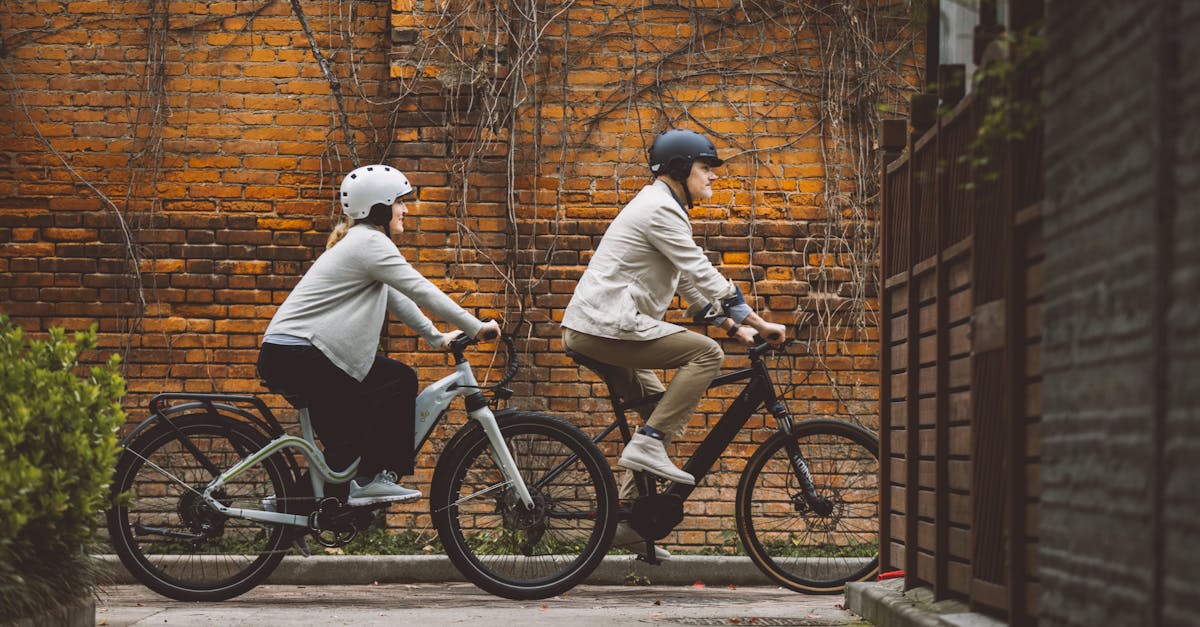
Photo by Motor TruckRun on Pexels
Porsche Discontinues E-Bike Line
Porsche is discontinuing its performance e-bike division. The German automaker will refocus on its core business.
Background
Porsche entered the micromobility market with a performance e-bike. The company’s goal was to translate its reputation for handling and speed into a two-wheel format. This move was seen as a way for Porsche to expand its brand and reach a new audience. However, it appears that this venture did not meet the company’s expectations.
Industry Context
Several premium car makers have launched e-bike or e-scooter lines. These projects often serve as brand-building exercises rather than profit centers. For example, companies like BMW and Mercedes have also entered the micromobility market with their own e-bike and e-scooter lines. This trend is driven by the growing demand for sustainable and environmentally friendly transportation options. However, the market is highly competitive, and companies are struggling to differentiate themselves and achieve profitability.
The micromobility market has seen significant growth in recent years, with many companies entering the space. According to a report by McKinsey, the global micromobility market is expected to reach $55 billion by 2025. However, the market is also highly fragmented, with many small players competing for market share.
Technical Mechanics
The performance e-bike division at Porsche was focused on creating high-end e-bikes that could compete with traditional bicycles in terms of performance and design. The company’s e-bikes featured advanced technology, including high-torque motors and sophisticated battery management systems. However, the production of these e-bikes was likely expensive, and the company may have struggled to achieve economies of scale.
The technical challenges of producing high-end e-bikes are significant. The company’s engineers had to balance the need for performance, range, and design. The e-bikes had to be lightweight, yet powerful enough to compete with traditional bicycles. The battery management system was also critical, as it had to provide a reliable and efficient source of power.
Downstream Implications
Porsche’s decision to discontinue its e-bike line is a shift in focus for the company. The company will concentrate on its core business, which includes the production of high-performance sports cars. This move may have implications for the broader micromobility market, as other companies may reassess their own strategies and investments in the sector. Additionally, the decision may impact Porsche’s relationships with its suppliers and partners in the e-bike industry.
The discontinuation of Porsche’s e-bike line may also have implications for the company’s brand. Porsche is known for its high-performance sports cars, and the e-bike line may have been seen as a departure from this core competency. However, the company’s experience in the e-bike market may have provided valuable insights and expertise that can be applied to other areas of the business.
History
Porsche’s entry into the micromobility market was seen as a way for the company to diversify its product offerings and expand its brand. However, the company’s experience in the e-bike market has been relatively short-lived. The decision to discontinue the e-bike line may be a sign that the company is refocusing on its core competencies and prioritizing its resources accordingly.
Porsche is not the only company to have exited the e-bike market. Several other companies, including General Motors and Ford, have also discontinued their e-bike lines. The challenges of producing high-end e-bikes are significant, and many companies have struggled to achieve profitability.
Future of Micromobility
The future of micromobility is uncertain, but it is clear that the market will continue to evolve. Many companies are investing heavily in electric vehicles, and the demand for sustainable and environmentally friendly transportation options is growing. However, the market is highly competitive, and companies will need to differentiate themselves and achieve profitability in order to succeed.
The trend towards micromobility is driven by a number of factors, including growing concerns about climate change, urbanization, and air pollution. Many cities are investing in infrastructure to support micromobility, including bike lanes and charging stations. However, the market is also highly regulated, and companies will need to navigate complex regulatory frameworks in order to succeed.
Updates
- 2026-07-28 — eBay’s bizarre cyberstalking saga ends with a $56 million settlement (source)
Related Articles
Xtracycle’s Swoop ASM adds automatic shifting to cargo bikes
The new Swoop ASM lets riders rely on an automatic gearbox, a rare move in the cargo‑bike market, as cities push for more e‑bike adoption.

Porsche Electrifies Cayenne Lineup with All-Electric Coupe
Porsche adds an all-electric Cayenne coupe to its lineup, set to launch in late summer. The move signals a significant shift towards electrification in the luxury SUV market.

Googlebook challenges Apple’s retail play as Mac Studio prices
Google’s $899 AI‑native laptop and Apple’s store‑first philosophy clash amid rising component costs and AI‑driven hardware bets.