

PNG Payroll Glitch Triggers Deadly Riots

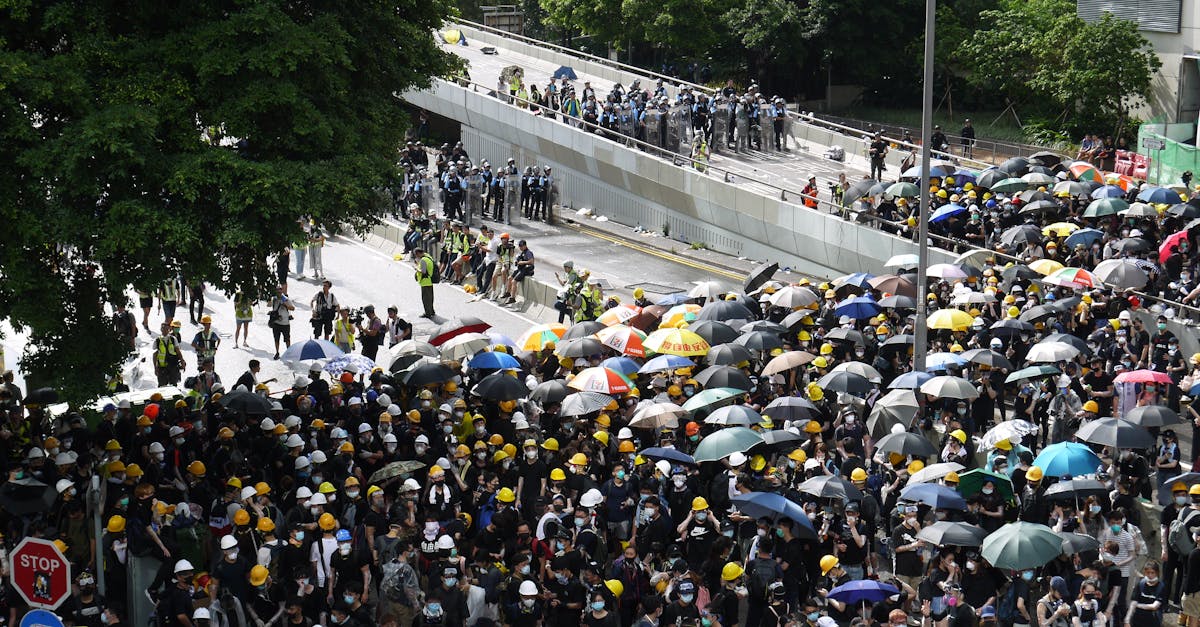
Photo by Oscar Chan on Pexels
PNG Payroll Glitch Sparks Deadly Unrest
The mis‑configured payroll system for government workers in Papua New Guinea ignited riots that left multiple people dead and forced the capital into a two‑week state of emergency. The glitch reverted employees to older, higher tax rates, shaving roughly $100 off each paycheck and cutting many salaries in half. Prime Minister James Marape called the incident a “technical glitch” before deploying troops to restore order. Workers, believing the shortfall was a surprise tax hike, staged strikes that quickly devolved into looting as police presence thinned. Commissioner General Sam Koin of the Internal Revenue Commission issued a public apology for the loss of lives and property, but the damage to public trust was already done. The episode highlights how a single line of code can destabilize an entire nation when legacy systems are rushed into service without thorough validation. PNG’s reliance on a COVID‑era tax reduction that extended into 2024 added a layer of complexity that the payroll software failed to accommodate, turning a fiscal policy decision into a flashpoint for civil disorder.
Technical Failure Meets Policy Gap
Marape’s description of the payroll issue as merely a “technical glitch” downplays the broader policy vacuum surrounding critical public‑sector software. Unlike the private sector, where vendors often face contractual penalties for downtime, PNG’s government lacks a clear framework to hold system integrators accountable for systemic errors. The situation mirrors other recent tech missteps in the region. Baidu CEO Robin Li, speaking at the Harvard Business Review Future of Business Conference, boasted that hallucinations in large language models were largely solved, yet warned that an “inevitable bubble” would wipe out 99 % of AI startups. His optimism about model reliability sits uneasily alongside PNG’s payroll collapse, suggesting that confidence in emerging technologies can outpace the governance structures needed to contain their failures.
AI Regulation Shifts Across the Region
India’s Ministry of Electronics and Information Technology recently rescinded a March‑era rule that required government approval before AI services went live. The reversal, announced on a Friday, replaces the blanket ban with a set of obligations: providers must label deepfakes, curb model bias, disclose limitations, and prevent the creation or distribution of illegal content. The policy pivot reflects a pragmatic response to industry pushback, especially from startups that feared stifling innovation. Minister of State Rajeev Chandrasekhar had previously clarified that the original restriction targeted only Big Tech, not home‑grown firms. This nuanced approach contrasts sharply with PNG’s reactive emergency measures, illustrating how proactive regulatory tweaks can mitigate the fallout from technical errors before they spiral.
Deepfake Crackdown and Platform Blockades
Malaysia and Indonesia have both blocked access to Elon Musk’s social network X, citing the platform’s failure to curb non‑consensual sexual deepfakes. Malaysia’s Communications and Multimedia Commission demanded safeguards that X did not provide, prompting a suspension until adequate measures are in place. Indonesia’s minister of communications and digital affairs, Meutya Hafid, labeled the practice a “serious violation of human rights, dignity and the security of citizens in the digital space.” India’s electronics ministry has issued similar warnings to X, urging the platform to do more to prevent sexual deepfakes. Musk has countered that the blocks amount to free‑speech suppression, a claim that pits platform autonomy against sovereign efforts to protect citizens from AI‑generated abuse. The coordinated bans signal a regional tightening of digital content standards, raising the stakes for any service that cannot quickly adapt its moderation tools.
What to Watch
Watch how PNG’s government restructures its payroll infrastructure and whether it adopts stricter vendor oversight; the outcome will set a precedent for public‑sector tech procurement in the Pacific. In India, monitor the enforcement of the new AI obligations, especially how deepfake labeling compliance is audited. Finally, track X’s response to the Southeast Asian bans—whether it implements robust deepfake safeguards or faces broader platform restrictions across the region. These developments will reveal whether policymakers can keep pace with the accelerating pace of AI‑driven disruption.
Updates
Related Articles

California bans under‑16 social apps as Canada tightens AI rules
New California law blocks minors from social media and adds AI chatbot rules, echoing Canada’s sweeping Bill C‑34 and sparking industry debate.

Listen Labs Walks From $1.5B Deal as AI Governance Tensions Rise
Listen Labs drops a $1.5 billion Series C as AI startups face funding shifts, board changes, and mounting regulatory pressure.

Rating Boards, Live Casino Wheels, and the AI Gaming Surge
A ratings board stopped Valve’s trailer, Evolution Gaming rolled out Crazy Time live, and VCs pour money into AI‑driven interactive media.