

NASA Shifts Focus to Deep Space Exploration

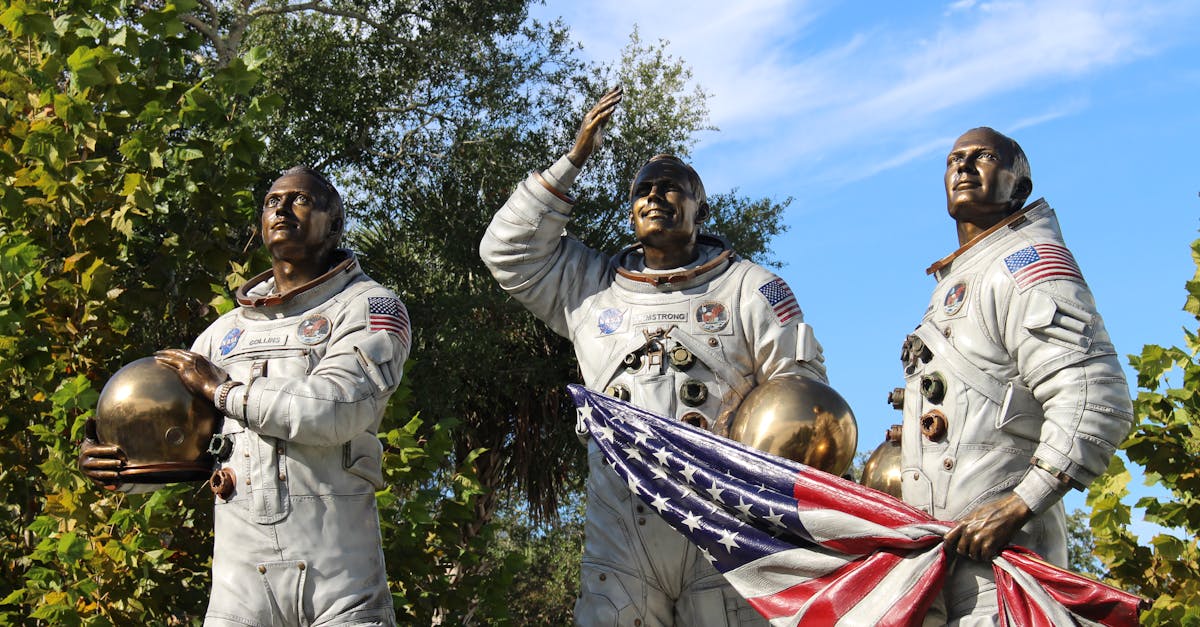
Photo by Frankie Hatton on Pexels
NASA’s Lunar Lander Prototype Enters Training Phase
NASA is set to begin training with a prototype of Blue Origin’s crew moon lander, a crucial step towards returning astronauts to the lunar surface by 2028. This development comes as the space agency continues to push the boundaries of space exploration. The lunar lander prototype is a significant milestone in NASA’s Artemis program, which aims to establish a sustainable presence on the lunar surface.
The training phase will involve NASA astronauts and engineers working with the lunar lander to ensure its systems and operations are compatible with the agency’s requirements. The partnership with Blue Origin, a leading player in the private space industry, highlights NASA’s commitment to collaborating with commercial partners to achieve its goals.
Deep Space Exploration and Talent Acquisition
In a separate effort, NASA has launched NASA Force, a dedicated talent track within the US Tech Force initiative. This program aims to recruit and deploy top engineers and technologists to support America’s space program. The partnership with the U.S. Office of Personnel Management (OPM) seeks to identify and place high-impact technical talent into mission-critical roles.
The NASA Force program is designed to address the growing need for specialized skills in areas such as advanced propulsion systems, life support systems, and radiation protection. By attracting top talent from across the country, NASA aims to enhance its capabilities in deep space exploration and ensure the success of its future missions.
International Cooperation in Deep Space Exploration
NASA has also teamed up with the Korea AeroSpace Administration (KASA) to expand joint research on L4 deep space exploration and space weather. The two parties signed a cooperation agreement in September 2024 to facilitate the Sun-Earth Lagrange point 4 (L4) exploration. This mission will focus on space weather, space radiation, and space optical communication.
The partnership with KASA marks a significant step forward in international cooperation in space exploration. By working together, NASA and KASA can share resources, expertise, and risk, ultimately advancing our understanding of the space environment and improving the safety of future missions.
History of NASA’s Deep Space Exploration Efforts
NASA’s deep space exploration efforts have a rich history, dating back to the early days of the space program. From the Apollo missions to the Moon to the current Artemis program, NASA has consistently pushed the boundaries of what is possible in space exploration.
One notable example is the Voyager mission, which launched in 1977 and sent two spacecraft into interstellar space. The Voyager missions provided a wealth of information about the outer Solar System and the interstellar medium, and their legacy continues to inspire new generations of scientists and engineers.
Technical Mechanics of Deep Space Exploration
Deep space exploration requires a deep understanding of the technical mechanics involved. One critical aspect is the design of spacecraft systems, such as propulsion, life support, and communication. For example, NASA’s current propulsion systems, such as the Space Launch System (SLS) and the Orion spacecraft, are being developed to support future deep space missions.
Another key area is radiation protection, which is essential for protecting both crew and electronic systems from the harsh conditions of space. NASA is currently developing new materials and technologies to mitigate the effects of radiation, such as inflatable spacecraft modules and advanced shielding.
Challenges in Planetary Science Missions
Meanwhile, the process of selecting planetary science missions has raised concerns about biases in our knowledge of the solar system. Despite an impartial selection process, the current system favors missions to certain locations, such as Mars, while other destinations like Venus languish unvisited. This imbalance affects our comprehension of various corners of the solar system.
The planetary science community has identified several factors contributing to these biases, including the availability of funding, the level of interest from the scientific community, and the technical challenges associated with each mission. Addressing these biases will require a more nuanced understanding of the selection process and a commitment to exploring a diverse range of destinations.
Astronaut Safety and Mission Updates
In other news, NASA has successfully launched its Crew-10 mission, bringing relief to astronauts Butch Wilmore and Suni Williams, who have been stuck aboard the International Space Station (ISS) for nine months. The Crew-10 mission will also bring back Crew-11 early due to a medical issue with one of the astronauts on board.
The successful launch of Crew-10 marks a significant milestone in NASA’s commercial crew program, which has been working to develop and operate safe and reliable crew vehicles. The partnership with SpaceX, the provider of the Crew-10 mission, highlights the agency’s commitment to collaborating with commercial partners to achieve its goals.
Downstream Implications
As NASA continues to push the boundaries of space exploration, several key developments are worth watching. The success of the Blue Origin lunar lander prototype, the progress of the NASA Force talent acquisition program, and the outcomes of international cooperation efforts will be crucial in shaping the future of space exploration.
The next significant milestone will be the launch of the L4 heliospheric observatory and its space weather observation payloads, which will greatly improve the accuracy of space weather predictions. This mission will have significant implications for our understanding of the space environment and the safety of future missions.
What’s Next
Looking ahead, NASA’s deep space exploration efforts will continue to evolve and expand. The agency is currently planning for a manned mission to Mars in the 2030s, which will require significant advances in propulsion systems, life support systems, and radiation protection.
The success of NASA’s deep space exploration efforts will depend on a range of factors, including the development of new technologies, the recruitment and training of top talent, and the continued collaboration with international partners and commercial providers. As NASA continues to push the boundaries of what is possible in space exploration, we can expect to see significant advances in our understanding of the space environment and the safety of future missions.
Broader Industry Context
The space industry is rapidly evolving, with a growing number of commercial providers and international partners playing a significant role in shaping the future of space exploration. NASA’s partnerships with companies like Blue Origin and SpaceX, as well as international partners like KASA, highlight the agency’s commitment to collaborating with others to achieve its goals.
The space industry is also seeing significant advances in areas like reusable launch systems, advanced propulsion systems, and in-orbit manufacturing. These advances are expected to have a major impact on the cost and efficiency of space exploration, making it possible for more countries and companies to participate in space exploration.
Conclusion
In conclusion, NASA’s deep space exploration efforts are rapidly evolving, with a range of significant milestones and developments on the horizon. From the lunar lander prototype to the L4 heliospheric observatory, NASA is pushing the boundaries of what is possible in space exploration.
As the agency continues to collaborate with commercial partners and international partners, we can expect to see significant advances in our understanding of the space environment and the safety of future missions. With a growing focus on deep space exploration, NASA is poised to make significant contributions to the future of space exploration.
Updates
- 2026-08-12 — Brendan Carr is one firing away from an unchecked FCC (source)
- 2026-08-02 — Here’s where you want to be to see the 2026 solar eclipse (source)
- 2026-05-18 — These 11 Automatic Cat Feeders Were the Best We Tested in 2026 (source)
- 2026-05-14 — Gen Z Is Pioneering a New Understanding of Truth (source)
Related Articles
NASA's Kepler Telescope Discovers New Solar System
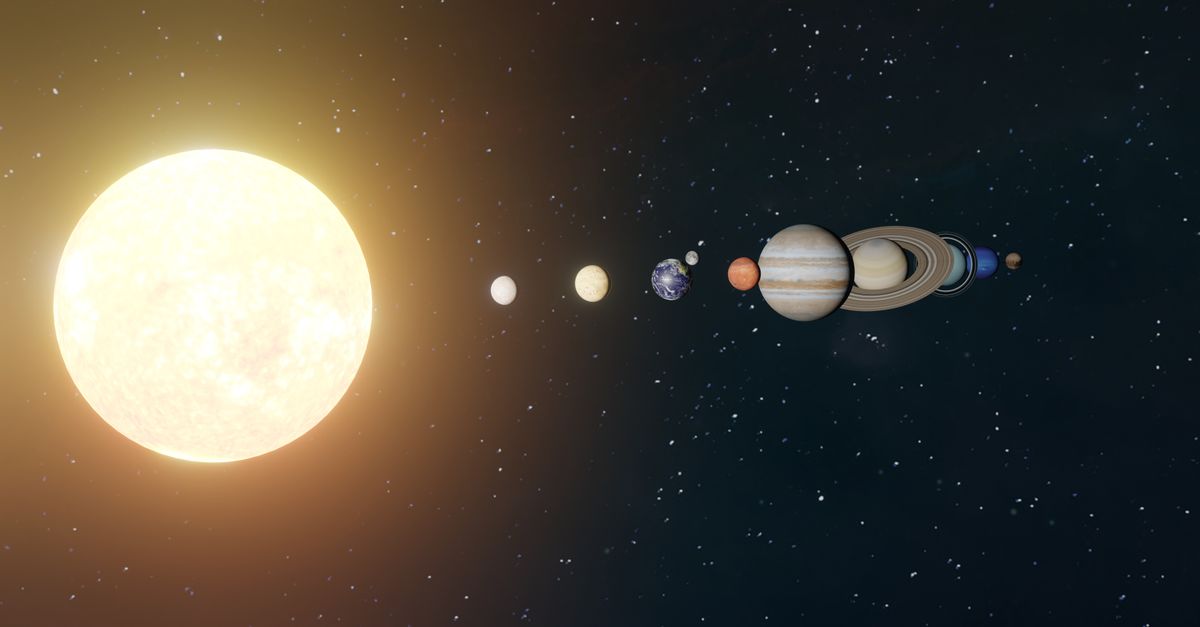
NASA's Kepler telescope discovers a new solar system with eight planets, similar to our own solar system, using Google's machine learning technology.