

Nuro Gets Permit for Driverless Testing on California Roads

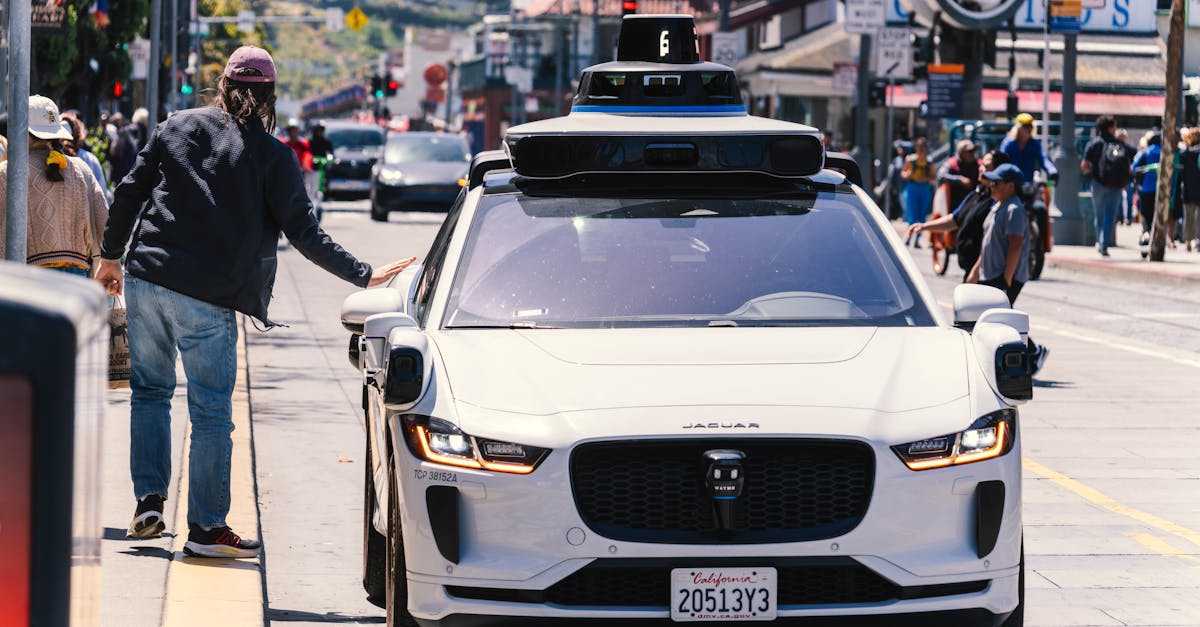
Photo by Abhishek Navlakha on Pexels
Nuro Clears Hurdle for Driverless Testing
Nuro, a Silicon Valley autonomous vehicle (AV) startup, has secured a permit to test its driverless robotaxis on California roads. This development comes ahead of Uber’s anticipated launch of its own robotaxi service.
The permit, granted by the California Department of Motor Vehicles (DMV), allows Nuro to begin testing its vehicles without a human driver present. While Nuro has not yet started driverless testing, the permit brings the company one step closer to deploying its autonomous technology on public roads.
The Road to Driverless Testing
Nuro’s permit is a significant milestone for the company, which has been working on its autonomous technology for several years. The company’s robotaxis are designed to operate without human intervention, using a combination of sensors, including lidar, radar, and cameras, to navigate roads.
According to reports, Uber and Nuro plan to start fully autonomous testing later this year. Uber’s robotaxi service is expected to launch soon, with the company already conducting testing in various cities.
Industry Context: Autonomous Vehicle Development
The autonomous vehicle industry has made significant progress in recent years, with several companies, including Waymo, Cruise, and Argo AI, making strides in developing and deploying their technologies. However, the industry still faces significant challenges, including regulatory hurdles, technical complexities, and public acceptance.
The development of high dynamic range (HDR) cameras, for example, has improved the ability of autonomous vehicles to operate in a variety of lighting conditions. HDR cameras can capture a wider range of light levels, allowing vehicles to better detect and respond to their surroundings.
The use of HDR cameras is particularly important for outdoor robots, such as autonomous vehicles, which face challenging lighting conditions. These cameras can help improve the accuracy of object detection and tracking, even in scenarios where lighting conditions change drastically.
The global autonomous vehicle market is expected to reach $556.67 billion by 2026, growing at a CAGR of 39.6% from 2021 to 2026. This growth is driven by increasing demand for autonomous vehicles, advancements in technology, and government support.
Technical Mechanics: Mapping and Localization
Mapping and localization are critical components of autonomous vehicle technology. Companies like Truevision, which offers a platform for creating HD maps for robotics and autonomous vehicles, are working to improve the accuracy and efficiency of mapping and localization.
Truevision’s platform, Truevision Designer, allows users to create comprehensive and sophisticated maps, including detailed lane markings, traffic lights, and signs. The platform also supports exporting maps to various platforms, including CARLA, for autonomous driving simulations.
Accurate mapping and localization are essential for autonomous vehicles to navigate safely and efficiently. By creating detailed maps of the environment, autonomous vehicles can better understand their surroundings and make informed decisions.
History of Autonomous Vehicle Development
The development of autonomous vehicles has a long history, dating back to the 1980s. In the early days, autonomous vehicles were primarily used in research and development, but in recent years, several companies have made significant strides in deploying their technologies on public roads.
Nuro, for example, has been working on its autonomous technology for several years and has already made significant progress in testing its vehicles on private roads. The company’s permit to test driverless robotaxis on California roads is a significant milestone in its development.
What to Watch
As Nuro and Uber move forward with their driverless testing, the industry will be watching to see how their technologies perform on public roads. The success of these efforts will depend on a variety of factors, including the companies’ ability to navigate regulatory hurdles, address technical challenges, and gain public acceptance.
The next significant milestone for Nuro will be the launch of its commercial robotaxi service, which is expected to happen in the near future. For Uber, the focus will be on deploying its robotaxi service safely and efficiently, while also addressing concerns around liability and public acceptance.
The autonomous vehicle industry is rapidly evolving, with significant advancements being made in areas like mapping, localization, and sensor technology. As the industry continues to mature, we can expect to see more companies like Nuro and Uber deploying their technologies on public roads.
The development of autonomous vehicles has the potential to transform the way we travel, making it safer, more efficient, and more accessible. However, there are still significant challenges to overcome, including regulatory hurdles, technical complexities, and public acceptance.
Downstream Implications
The success of Nuro’s and Uber’s driverless testing will have significant implications for the autonomous vehicle industry. If successful, it could pave the way for widespread adoption of autonomous vehicles on public roads.
However, there are still significant challenges to overcome, including regulatory hurdles, technical complexities, and public acceptance. The industry will need to work together to address these challenges and ensure that autonomous vehicles are deployed safely and efficiently.
The development of autonomous vehicles has the potential to transform the way we travel, making it safer, more efficient, and more accessible. As the industry continues to mature, we can expect to see more companies like Nuro and Uber deploying their technologies on public roads.
In addition, the growth of autonomous vehicles could lead to new business models and revenue streams for companies. For example, autonomous taxis could provide a new mode of transportation for people, reducing the need for personal vehicles.
The impact of autonomous vehicles on society could be significant, with potential benefits including reduced traffic congestion, improved safety, and increased mobility for the elderly and disabled.
Future Developments
As the autonomous vehicle industry continues to evolve, we can expect to see significant advancements in areas like artificial intelligence, computer vision, and sensor technology.
These advancements will be critical to the development of more sophisticated autonomous vehicles that can navigate complex environments and make informed decisions.
The future of autonomous vehicles is exciting and full of possibilities. As the industry continues to mature, we can expect to see more companies like Nuro and Uber deploying their technologies on public roads.
Updates
Related Articles
Uber and Pony.ai Expand to Europe with 2,000 Robotaxis
Uber and Pony.ai launch 2,000 robotaxis in Europe
Frontier Tech Meets New Gatekeepers in Talent, Money, Rules
Prediction markets recruit ex‑Dogecoin figures, fusion eyes IPO, Zoox gets a ride‑hailing exemption, and AI policy tightens, reshaping frontier tech.

Mach's $1.8B Leap, Surface Ultra's Mac Challenge, and UI Wars
Mach Industries reaches $1.8B valuation, Microsoft rolls out a MacBook Pro rival, Apple revives hashmoji on X, and WhatsApp extends its Liquid Glass UI to macOS.