Google's Pixel 10 Update Locks Down Android Versions


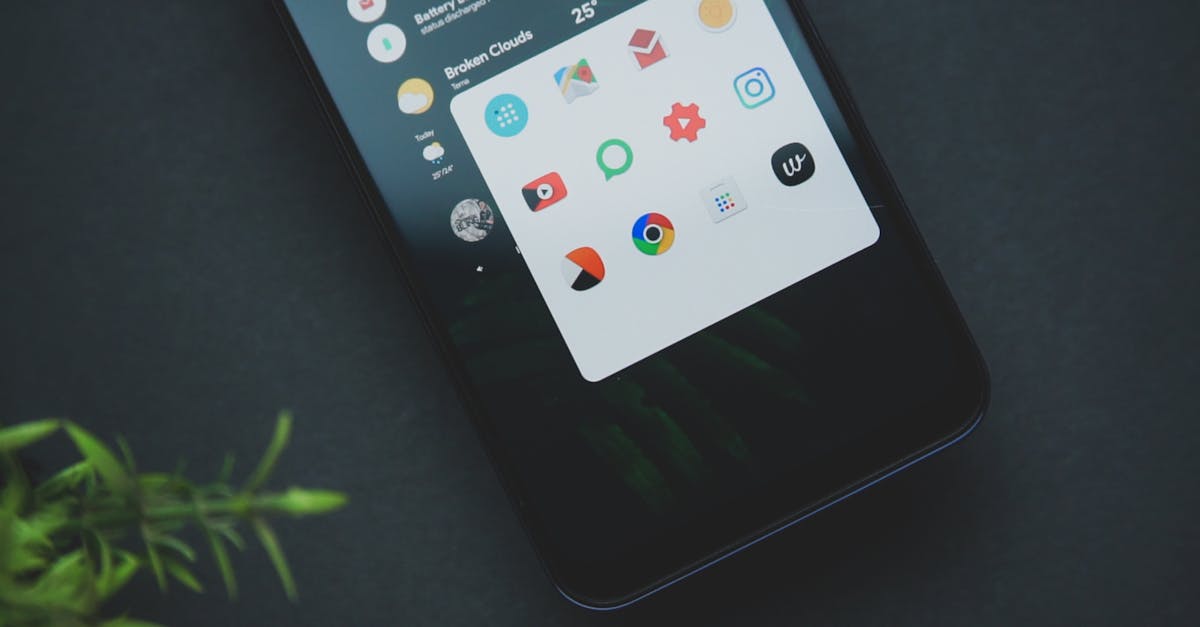
Photo by Czapp Árpád on Pexels
Google’s Pixel 10 Update Locks Down Android Versions
The latest update for Google’s Pixel 10 series devices, rolling out in May 2026, brings a significant change to how users can manage Android versions on their phones. With this update, Google is implementing an anti-rollback measure that prevents the installation of any older Android versions.
This means that once a Pixel 10 device is updated to the latest version of Android, users will not be able to downgrade to a previous version. This move is aimed at enhancing security by ensuring that devices are always running the latest, and presumably most secure, version of Android.
Understanding the Anti-Rollback Measure
The anti-rollback measure is a feature that has been present in some form on other devices, but its implementation on Pixel devices is a notable shift. By preventing users from rolling back to older versions, Google is effectively locking down the Android version on these devices.
This change could be seen as a double-edged sword. On one hand, it ensures that users have the latest security patches and features. On the other hand, it limits user control over their devices, potentially causing issues for those who prefer to run older versions of Android for compatibility or preference reasons.
Industry Context: Device Updates and User Control
The debate over device updates and user control is ongoing in the tech industry. Manufacturers and operating system developers often push for the latest versions to ensure security and compatibility. However, users and some developers argue that the ability to choose which version to run is essential for flexibility and customization.
This move by Google reflects a broader trend towards more control over devices by manufacturers and operating system providers. As technology continues to evolve, the balance between security, user control, and device customization will remain a critical issue.
History of Android Updates and Security
Android’s open-source nature has historically allowed for a high degree of customization and control. However, this has also led to fragmentation, with many devices running older versions of the operating system. Google has been working to address this issue through initiatives like Project Treble, which aims to make it easier for device manufacturers to update their devices.
The anti-rollback measure on Pixel devices is another step in this direction. By preventing users from rolling back to older versions, Google is ensuring that devices are always running the latest, most secure version of Android.
Technical Mechanics: How the Anti-Rollback Measure Works
The anti-rollback measure works by modifying the device’s boot process. When a device is updated to a new version of Android, the boot process is modified to prevent the device from booting older versions. This is achieved through a combination of software and hardware changes.
The anti-rollback measure is implemented through a feature called “verified boot”, which ensures that the device’s boot process is secure and trustworthy. Verified boot uses a combination of cryptographic signatures and secure boot mechanisms to ensure that the device boots only with authorized software.
Downstream Implications: Who Benefits and Who is Squeezed?
The anti-rollback measure on Pixel devices benefits users who value having the latest security patches and features. It also benefits Google, which can ensure that its devices are secure and up-to-date.
However, the measure may squeeze users who prefer to run older versions of Android for compatibility or preference reasons. It may also squeeze developers who rely on older versions of Android for testing and development purposes.
What to Watch
As this update rolls out, users of Pixel 10 devices should be aware of the implications of the anti-rollback measure. Those who value having the latest Android version and enhanced security may see this as a positive development. However, users who prefer more control over their device’s software may need to consider alternative options.
In the coming months, it will be interesting to see how users and developers respond to this change. Will other manufacturers follow Google’s lead, or will there be a backlash against more restrictive device management policies? The evolving landscape of device updates and user control will undoubtedly continue to shape the tech industry in the years to come.
Conclusion
The anti-rollback measure on Pixel devices is a significant change that reflects a broader trend towards more control over devices by manufacturers and operating system providers. While it enhances security, it also limits user control over their devices. As technology continues to evolve, the balance between security, user control, and device customization will remain a critical issue.
Updates
- 2026-08-24 — Apple releases beta 7 for iPadOS 27, watchOS 27, and more (source)
- 2026-08-14 — US conducted mass spying campaign against leftwing and anti-ICE protesters (source)
- 2026-08-06 — Apple increases trade-in offers and adds new Android devices (source)
- 2026-05-28 — Apple releases public beta for iPadOS 26.6, tvOS 26.6, and watchOS 26.6 (source)
- 2026-05-20 — XREAL’s Android XR glasses one-up Apple’s wired battery with a controller, more [Video] (source)
- 2026-05-07 — Google accused of copying Apple’s Liquid Glass look – Android head denies it (source)
Related Articles
Google Must Ease Rival App Store Installs
Judge orders Google to simplify rival app store installs

Google Revamps Voice Search on Android
Google merges AI Mode, Search Live, and Song lookup