

Claude Code doubles usage, adds 'dreaming' feature

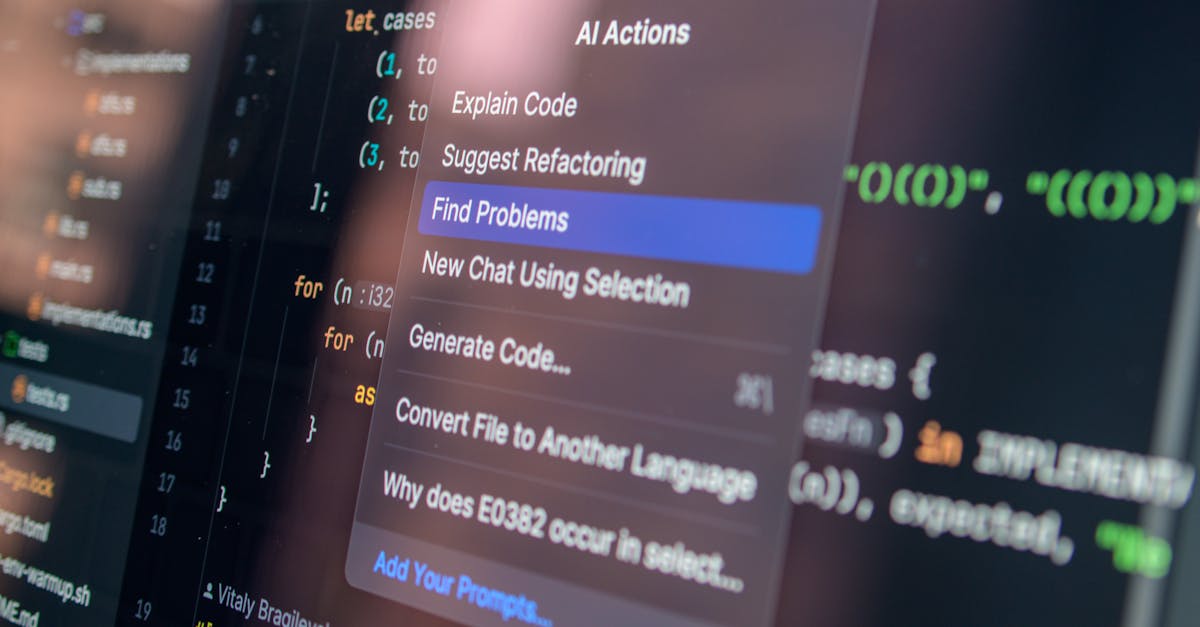
Photo by Daniil Komov on Pexels
Anthropic’s Claude Code Gets Significant Boosts
Anthropic has announced major updates to its Claude Code model, including doubled usage limits for most users and a new ‘dreaming’ feature for managed agents. These changes aim to enhance performance, flexibility, and functionality for users of the AI coding assistant.
Concrete Details: What’s Changing
The updates specifically target Claude Code, a component of Anthropic’s Claude suite focused on coding and software development tasks. According to reports, Pro and Max users of Claude Code will see their usage limits doubled, from 5 hours to 10 hours. This increase is expected to allow users to run more extensive code reviews, complete larger projects, or work on complex tasks without hitting usage caps.
Context and Implications
The doubling of usage limits for Claude Code follows a deal with SpaceX, indicating that Anthropic is actively seeking partnerships to expand its capabilities and reach. The company is also exploring the use of SpaceX’s planned orbital data centers, which could further enhance the performance and scalability of its models.
Technical Mechanics and User Benefits
For users, the increased limits mean more flexibility in working with Claude Code. Developers can now engage in longer sessions, explore more code, and receive more comprehensive feedback from the AI assistant. This is particularly beneficial for complex projects or when working with large codebases.
What’s Next
As AI models continue to evolve, users should watch for further updates on Anthropic’s plans for Claude Code and its integration with other technologies. Specifically, the development of managed agents’ ‘dreaming’ feature and its practical applications will be an area of interest. Additionally, the company’s approach to handling increased usage and potential challenges in scaling its infrastructure will be crucial to monitor.
Industry Context
The moves by Anthropic reflect a broader trend in the AI and software development sectors, where there’s a growing demand for more powerful, flexible, and user-friendly tools. As developers and companies increasingly rely on AI assistants for coding and project management, the ability to handle complex tasks, scale with user needs, and integrate with existing workflows will become critical factors in the competitive landscape. For instance, Plandex, an open-source AI coding agent, offers a diff review sandbox, full auto mode, and smart context management up to 2M tokens, showcasing the kind of capabilities that developers are looking for in AI-powered coding tools. Moreover, the rise of platforms like Any-LLM, which provides a lightweight router to access any LLM provider, indicates a shift towards interoperability and flexibility in AI tooling.
History of AI Coding Assistants
The development of AI coding assistants like Claude Code is part of a larger evolution in software development tools. Early versions of these tools focused on simple code completion and syntax checking. Over time, they have grown to offer more sophisticated features such as code review, project management, and even autonomous coding capabilities. Anthropic’s updates to Claude Code are a part of this ongoing progression, reflecting the company’s efforts to stay competitive and meet the evolving needs of developers. Notably, the concept of ‘dreaming’ in AI coding assistants, as introduced by Anthropic, may signal a new frontier in how these tools can autonomously generate code or suggest novel solutions.
Downstream Implications
The updates to Claude Code are likely to have significant implications for users and the broader software development community. With increased usage limits and new features like ‘dreaming’ for managed agents, developers will be able to tackle more complex projects and workflows. This could lead to increased productivity and innovation in software development, as well as new opportunities for companies that rely on AI-powered coding tools. However, it also raises questions about the potential challenges and limitations of scaling AI infrastructure, managing increased usage, and ensuring the reliability and security of AI-powered coding tools. As the landscape continues to evolve, Anthropic’s ability to balance performance, flexibility, and scalability will be crucial in meeting the growing demands of developers and companies.
Conclusion and Forward-Looking Statement
The recent updates to Claude Code position Anthropic to better serve its user base, particularly in the developer and engineering communities. As the landscape of AI-powered coding assistants continues to evolve, key areas to watch include advancements in model capabilities, user interface innovations, and strategic partnerships that can expand the reach and applicability of these tools. The company’s ongoing development and refinement of features like ‘dreaming’ for managed agents, alongside its exploration of new technologies and partnerships, will be critical in shaping the future of AI-assisted software development.
Future Developments
Looking ahead, the integration of AI coding assistants with emerging technologies, such as quantum computing or advanced data analytics, could unlock new potential for software development. Additionally, as more companies adopt AI-powered coding tools, there will be a growing need for standards and best practices in AI-assisted software development. Anthropic’s role in shaping these developments, along with its competitors, will be pivotal in determining the trajectory of the industry.
Updates
- 2026-07-30 — Razer Huntsman V3 HE Review: Jumping on the Bandwagon (source)
Related Articles
Anthropic's Amodei on Open-Weight Models
Amodei's stance on open-weight models and China's AI
Anthropic's Claude Linux Users Demand Official Desktop App
Anthropic's Claude users on Linux are calling for an official desktop app, citing workflow disruptions. The demand comes as the company faces growing competition.