Tech Firms Tighten AI Rules


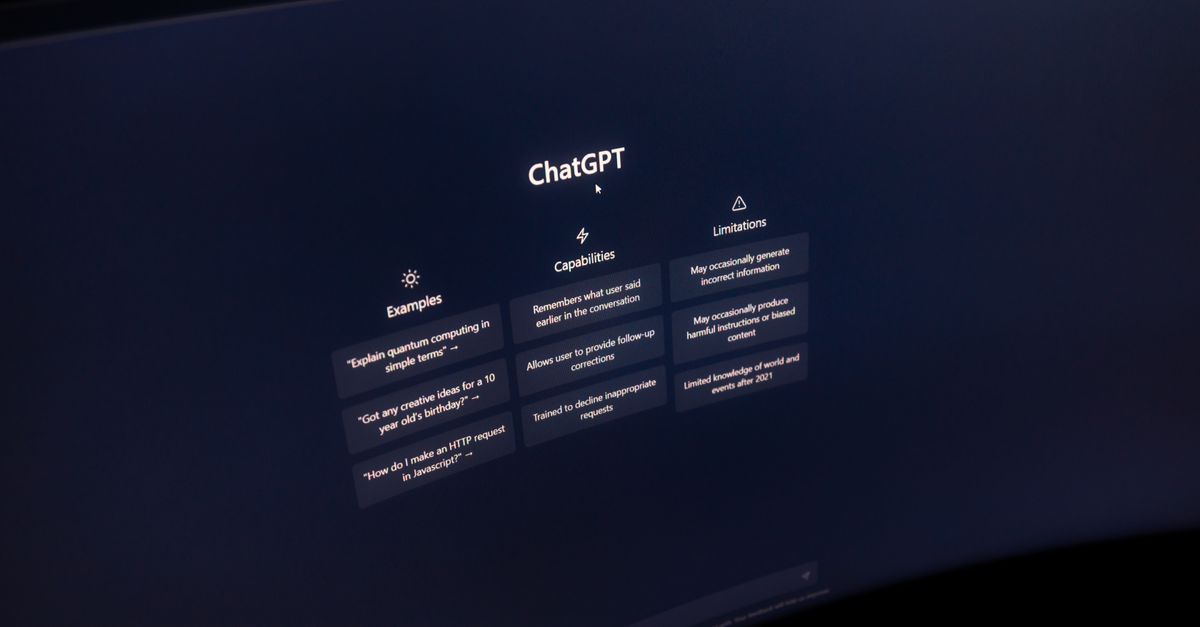
Photo by Google DeepMind on Pexels
AI Content in the Spotlight
OpenAI has updated its privacy policy to use cookies for tracking free ChatGPT users, aiming to convert them into paying subscribers.123 The change enables the company to monitor user interactions, providing valuable insights for targeted marketing.43 This move is part of a broader effort by tech firms to adapt to changing user expectations and regulatory requirements.
The policy update comes as other tech firms face scrutiny over AI-generated content. For instance, Minnesota has passed a law banning fake AI nudes, with app makers risking $500,000 fines for non-compliance.5678 This move is part of a broader effort to regulate AI-generated content and protect users.578 The law reflects growing concerns about the potential misuse of AI technology to create and disseminate fake or harmful content.578
The Rise of AI Verification
Spotify has introduced ‘Verified’ badges to distinguish human artists from AI-generated content. This move aims to maintain transparency and authenticity in the music industry. The badges will help users identify genuine artists and avoid confusion with AI-generated content. By taking this step, Spotify is acknowledging the growing presence of AI-generated content in the music industry and the need for clear labeling and transparency.
The introduction of verification badges is a response to the growing presence of AI-generated content in the music industry. As AI technology advances, it has become increasingly difficult to distinguish between human-created and AI-generated content. This has raised concerns about the potential for AI-generated content to be mistaken for human-created work, and the need for clear guidelines and regulations to govern its use.
Industry Context
The tech industry is witnessing a surge in AI-generated content, raising concerns about authenticity, transparency, and user data protection. The use of AI in content creation has sparked debates about the role of AI in the creative process and the need for regulation. Regulators are taking steps to address these concerns, with laws like the one in Minnesota aiming to prevent the spread of AI-generated fake content.5678
The use of AI in content creation has also raised questions about the potential impact on human creators. As AI-generated content becomes more prevalent, there is a risk that human creators may be displaced or marginalized. This has led to calls for regulations and guidelines to govern the use of AI in content creation and ensure that human creators are protected.
Technical Mechanics
The use of cookies by OpenAI to track user interactions is a key aspect of its updated privacy policy.413 By monitoring user interactions, OpenAI can gain valuable insights into how users engage with its platform and use this information to target marketing efforts.43 However, this has also raised concerns about user data protection and the potential for OpenAI to collect and use sensitive user data without consent.41
The implementation of verification badges by Spotify is also a technical response to the growing presence of AI-generated content. By using machine learning algorithms to identify and label AI-generated content, Spotify aims to provide users with a clear and transparent way to distinguish between human-created and AI-generated content. However, this also raises questions about the potential for errors or biases in the verification process, and the need for clear guidelines and regulations to govern its use.
Downstream Implications
The tech industry is likely to see more developments in AI regulation and verification. As AI-generated content becomes increasingly prevalent, companies will need to adapt to changing regulations and user expectations. Key decisions to watch include the implementation of the Minnesota law and potential updates to OpenAI’s privacy policy.56784123
The use of AI in content creation will continue to raise questions about authenticity, transparency, and user data protection. As the industry evolves, it is essential for companies to prioritize transparency and user trust. This may involve implementing new technologies or processes to ensure that AI-generated content is clearly labeled and that users are protected from potential misuse.
History of AI Regulation
The regulation of AI-generated content is not a new phenomenon. In recent years, there have been several high-profile cases of AI-generated content being used to spread misinformation or manipulate public opinion. This has led to growing concerns about the potential risks and benefits of AI technology, and the need for clear guidelines and regulations to govern its use.578
The development of AI technology has also raised questions about the potential impact on human creators. As AI-generated content becomes more prevalent, there is a risk that human creators may be displaced or marginalized. This has led to calls for regulations and guidelines to govern the use of AI in content creation and ensure that human creators are protected.
What’s Next
The tech industry is likely to see more developments in AI regulation and verification. As AI-generated content becomes increasingly prevalent, companies will need to adapt to changing regulations and user expectations. Key decisions to watch include the implementation of the Minnesota law and potential updates to OpenAI’s privacy policy.
The use of AI in content creation will continue to raise questions about authenticity, transparency, and user data protection. As the industry evolves, it is essential for companies to prioritize transparency and user trust. This may involve implementing new technologies or processes to ensure that AI-generated content is clearly labeled and that users are protected from potential misuse.
Future Directions
As AI-generated content continues to grow, we can expect to see more companies implementing verification processes and regulations. The music industry is likely to be at the forefront of this trend, with companies like Spotify and Apple Music leading the way.
The use of AI in content creation will also raise questions about the potential for AI-generated content to be used in other industries, such as film and television. As AI technology advances, it is likely that we will see more AI-generated content in these industries, and the need for clear guidelines and regulations to govern its use.
Conclusion
The tech industry is at a crossroads when it comes to AI-generated content. As AI technology advances, it is likely that we will see more AI-generated content in various industries. However, this also raises concerns about authenticity, transparency, and user data protection. It is essential for companies to prioritize transparency and user trust, and for regulators to develop clear guidelines and regulations to govern the use of AI in content creation.
Footnotes
Related Articles